

 By
By A tragic mountaineering case in Austria has drawn global attention. A court in Innsbruck found an amateur climber guilty of manslaughter after his girlfriend died near the summit of the country’s highest mountain.
The ruling followed months of investigation and emotional testimony. It raised serious questions about responsibility, risk, and decision making in extreme outdoor sports. The case also sparked debate about whether experienced climbers carry legal duty toward less experienced partners.
This article explains the tragedy, the court case, public reaction, and its impact on mountaineering safety.
The Fatal Climb on Austria’s Highest Peak
The tragedy happened during a winter ascent of the Großglockner. The mountain rises nearly 3,800 metres and is known for harsh conditions and sudden weather shifts.
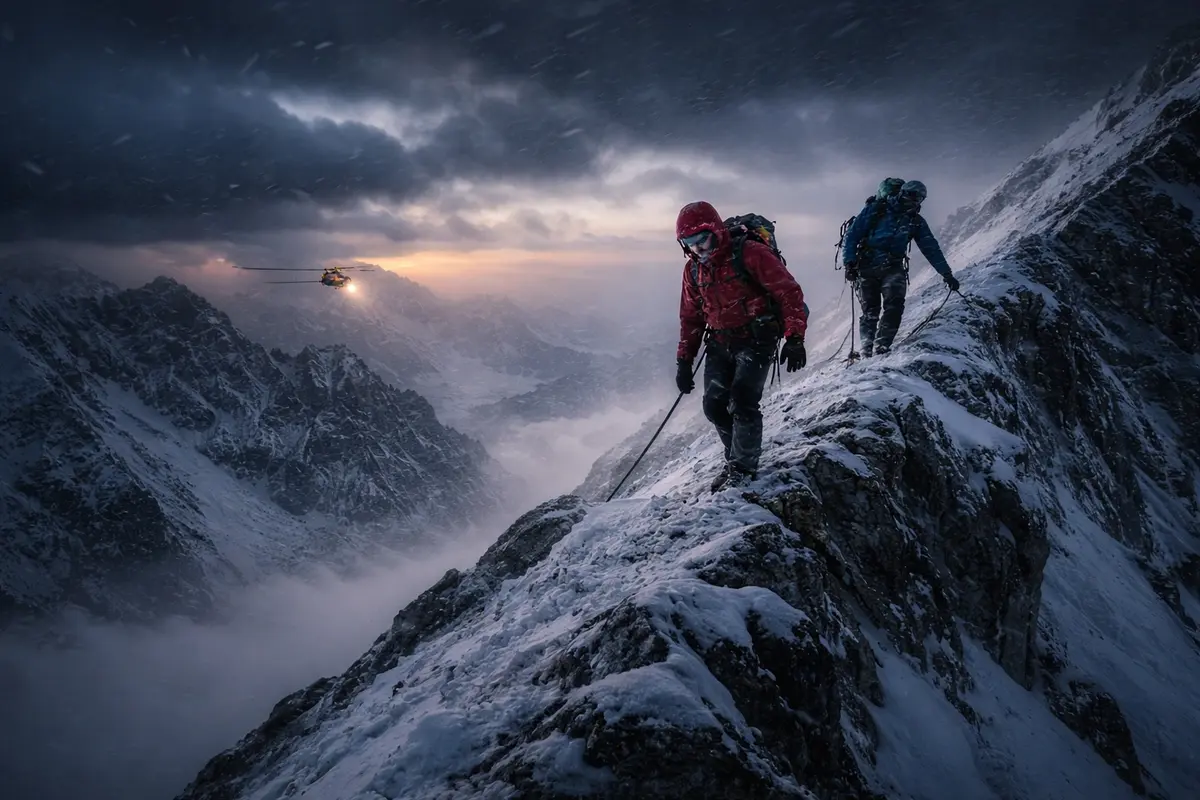
The couple began their climb in January 2025. Conditions worsened as night approached. Strong winds, freezing temperatures, and exhaustion left the pair stranded close to the summit.
The woman, aged 33, became weak and disoriented after hours of climbing. Prosecutors said she suffered hypothermia and could not continue. The climber eventually left her near the ridge to seek help. Rescue teams found her body the next morning.
Court Verdict and Sentence
An Austrian court ruled the climber guilty of gross negligent manslaughter. Judges said his decisions amounted to serious mistakes that contributed to his partner’s death.
He received a five-month suspended prison sentence and a financial fine. The sentence reflected the court’s view that the incident involved negligence rather than intent.
The ruling is rare. Criminal cases involving climbing accidents are uncommon. This factor helped the case attract international attention.
Key Errors Highlighted by Prosecutors
During the trial, prosecutors outlined several critical errors. They argued the climber showed poor planning and judgment before and during the ascent.
The court heard claims that the couple started late and continued despite worsening weather. Evidence suggested inadequate equipment and delayed rescue contact.
Judges also questioned why emergency gear carried in the victim’s backpack was not used. These factors supported the finding of negligence.
The Defendant’s Defence
The climber denied criminal intent throughout the trial. He told the court he loved his partner and was deeply sorry. He said he left only to seek help in a stressful situation.
His defence argued the climb was a joint decision. Lawyers also claimed the woman encouraged him to descend and get assistance.
Despite these claims, the court concluded his greater experience meant he held responsibility for safety decisions.
Experience Gap and Duty of Care
A central issue in the trial was the experience gap between the pair. Prosecutors said the defendant acted as an informal guide due to his stronger alpine skills.
Legal arguments focused on duty of care. This concept holds that experienced individuals may be responsible for others in dangerous situations. The judge accepted that reasoning in the verdict.
This legal framing could influence future cases involving outdoor sports partners.
Evidence Presented During Trial
The trial included expert testimony from alpine specialists and rescuers. Witnesses described extreme conditions on the mountain during the night of the incident.
Webcam footage captured the couple climbing together and the defendant descending alone. The visual evidence became a powerful element of the proceedings.
Testimony also explored whether earlier rescue calls or turning back could have prevented the tragedy.
Emotional Impact on Families
The case carried deep emotional weight for both families. Letters read in court showed grief and compassion rather than anger. The victim’s relatives said they did not blame the climber entirely.
Their statements highlighted the complexity of risk in mountaineering. Family members acknowledged that both climbers accepted dangers inherent in high-altitude winter ascents.
Public Reaction and Media Debate
The verdict sparked widespread debate across Austria and beyond. Some observers supported the ruling as a necessary step for safety accountability. Others worried about criminalising accidents in risky sports.
Mountaineering communities discussed the implications for climbing partnerships. Many stressed the importance of preparation and shared responsibility.
Social media also saw heated exchanges. Some users defended the climber, while others criticised his decisions.
Mountaineering Risks and Safety Lessons
Mountaineering remains one of the most dangerous outdoor activities. Harsh weather, altitude, and isolation create life-threatening conditions.
Experts say preparation and risk awareness are critical. Key safety measures include weather planning, emergency gear, and clear communication.
The case highlights the danger of pushing ahead despite fatigue or worsening conditions. It also underscores the importance of turning back when safety declines.
Legal Precedent and Future Impact
Legal experts say the verdict may influence how courts view accidents in extreme sports. While each case is unique, the ruling highlights accountability when serious errors occur.
The decision could prompt climbers to reassess planning and partner responsibility. It may also encourage clearer communication about skill levels and risk tolerance before expeditions.
However, many experts stress that mountaineering will always involve uncertainty. Legal action cannot remove natural danger from high mountains.
Psychological Pressure in Survival Situations
The case also shows the mental stress faced during survival situations. Cold exposure, exhaustion, and fear can impair judgment. Climbers must make decisions quickly with limited options.
Psychologists note that survival decisions often involve moral dilemmas. Leaving a partner to seek help can feel necessary yet deeply painful. Courts must evaluate such choices carefully.
The climber’s emotional testimony reflected this psychological burden. His statements suggested ongoing trauma linked to the event.
Safety Guidance From Alpine Experts
Alpine experts used the case to highlight key safety guidance. They advise climbers to start early, monitor weather closely, and carry proper emergency gear.
Turning back remains one of the hardest but safest decisions in mountaineering. Many accidents occur when climbers push toward a summit despite warning signs.
Partner communication is also vital. Clear plans about rescue, pacing, and emergency actions can prevent confusion during crises.
Broader Impact on Adventure Tourism
The incident may also affect perceptions of winter mountaineering tourism. Adventure travel has grown in popularity, attracting many inexperienced participants.
Tour operators and guides may review risk communication and safety training. Insurance providers may also reassess coverage for high-risk activities.
Despite these concerns, experts stress that mountaineering can be safe with proper preparation and guidance.
Lessons About Responsibility and Trust
At its core, the tragedy reflects trust between climbing partners. Mountaineering requires teamwork, shared risk, and mutual reliance.
The verdict suggests that experience can create responsibility. When one partner holds greater skill, expectations about safety leadership may increase.
This lesson extends beyond mountaineering. Many outdoor activities rely on trust and shared decision making.