 By
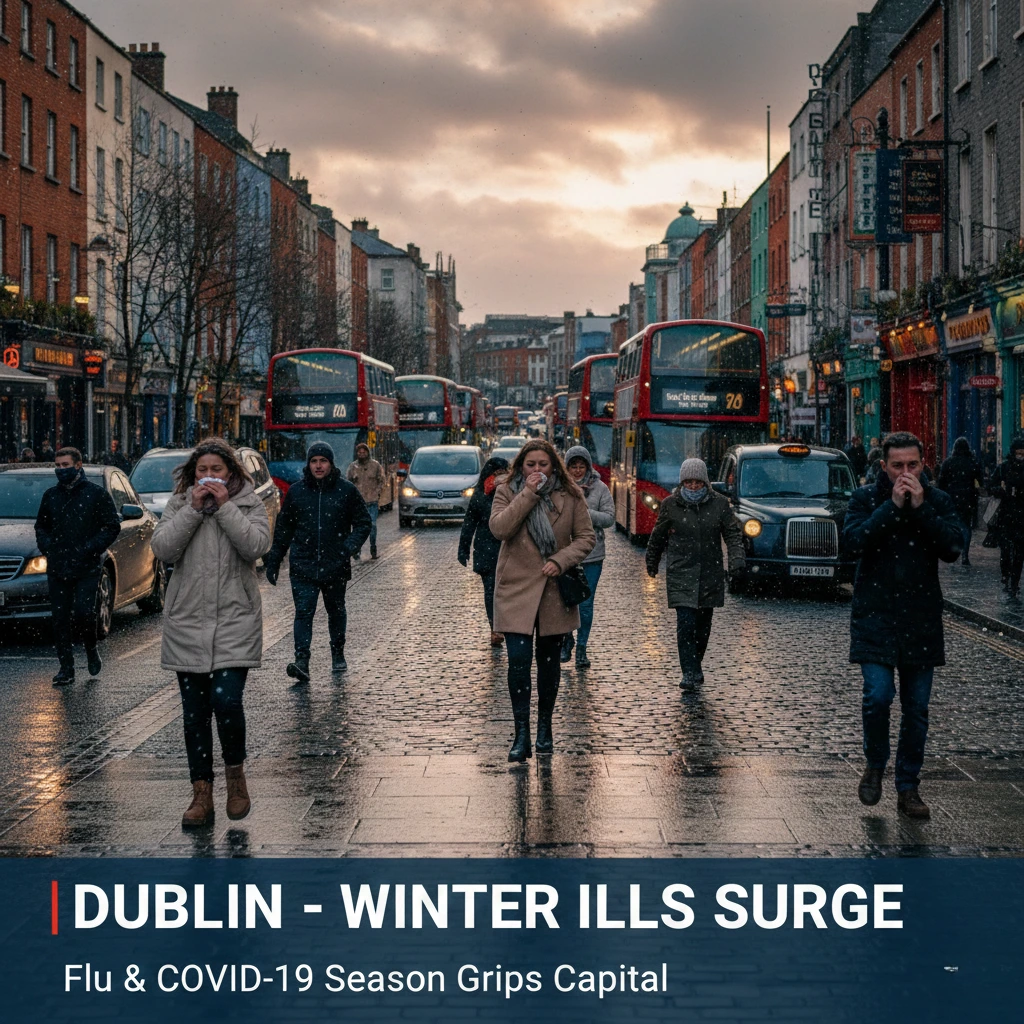
By Winter 2025 has hit Ireland hard. From bustling streets in Dublin to quiet villages in County Mayo, it seems like everyone is catching something. Parents are rushing to get children back from school after a few days of illness, offices are seeing empty desks, and hospitals are reporting long queues. But what’s really going on? Is it just the flu, or is COVID-19 still causing trouble? And why is this winter worse than usual?
In this article, we break down why Ireland is seeing a spike in sickness, explain the differences between flu and COVID, and share practical advice to keep you and your loved ones safe this season.
What the Numbers Are Saying in Ireland This Winter
Rising Flu Cases
Ireland is experiencing a steep rise in flu cases this year. One week in early January saw over 3,800 reported infections — the highest weekly figure in recent memory. Overall, the 2024/2025 flu season has already recorded more than 23,000 cases, surpassing last year by a significant margin. For many, it feels like the flu is everywhere — in classrooms, offices, and even at social gatherings.
Hospitalizations and Deaths
The surge in infections has put pressure on hospitals and emergency departments across the country. Tragically, six flu-related deaths have been reported this winter, affecting both older adults and young children. While most people recover at home, the high number of serious cases highlights the need for vigilance, especially for vulnerable groups.
Why So Many People Are Falling Ill
Early and Severe Flu Season
This winter’s flu season arrived earlier than usual, by three to four weeks. A highly transmissible strain of Influenza A(H3N2) is spreading rapidly, catching many off guard. The timing, combined with indoor gatherings and holiday celebrations, created a perfect storm for infections to spike.
Waning Immunity and Relaxed Vigilance
After years of mask mandates, social distancing, and hand hygiene, many people have relaxed these habits. Immunity from previous infections or vaccines has also decreased over time, leaving individuals more vulnerable. It’s a reminder that even after pandemic life seems “back to normal,” viruses can still find new hosts quickly.
Co-circulation of Viruses
Flu isn’t the only virus making rounds. COVID-19 and other respiratory viruses are still present. Some people are even experiencing co-infections, where flu and COVID infect at the same time — leading to stronger symptoms and longer recovery periods.
Pressure on the Healthcare System
High numbers of sick patients have stretched hospitals thin. Emergency departments are busier than ever, leading to longer waits and delayed care. This situation especially affects older adults, children, and those with chronic conditions, who are more at risk of severe complications.
Flu vs COVID in 2025: Key Differences and Similarities
| Feature | Flu (Seasonal Influenza) | COVID-19 |
|---|---|---|
| Current Trends | Rapidly rising, early-season, new A(H3N2) subtype | Circulating at lower levels than previous pandemic peaks |
| Timing / Seasonality | Peaks in winter | Can surge year-round, but worse in colder months with indoor gatherings |
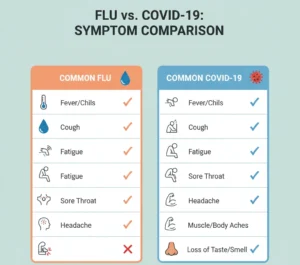
| Symptoms | Fever, sore throat, headache, muscle aches, fatigue, cough | Fever, sore throat, fatigue, cough, sometimes loss of taste/smell; variable severity |
| Risks / Complications | Bronchitis, pneumonia, and chronic illness exacerbation | Pneumonia, acute respiratory distress, long-term effects (long COVID) |
| Preventive Measures | Annual flu vaccine for eligible groups | COVID vaccines and boosters are recommended, often alongside flu vaccine |
| Public Perception 2025 | Seen as main threat this winter, symptoms often mistaken for a cold | Less alarming than during pandemic peaks, but caution advised |
Key takeaway: Flu is currently the main driver of illness in Ireland, but COVID-19 is still circulating and contributes to overall risk. Awareness of symptoms and early action remain crucial.
Why This Season Feels Different and More Serious
- New Flu Strain and Early Spread
The dominant A(H3N2) subclade arrived earlier than usual, spreading quickly in schools, workplaces, and social events. Many people didn’t expect flu to strike before Christmas, which may have lowered early-season precautions. - Lower Vaccination Uptake
Despite public health campaigns, flu vaccine uptake remains low in some groups, including healthcare workers. This leaves more people vulnerable to severe illness. - Social Behavior and Indoor Crowding
Colder, wetter weather means more indoor gatherings. Offices, public transport, and family homes become hotspots for viral transmission. - Strain on the Healthcare System
Hospitals are stretched thin, increasing the risk for those who need timely treatment. Overcrowded facilities can delay care and worsen outcomes for serious cases. - Mix of Multiple Viruses
Co-circulation of flu, COVID-19, and other respiratory viruses increases the likelihood of infection, especially for people exposed in multiple environments.
How to Stay Safe During the 2025 Winter Season
Vaccination Recommendations
Get your flu shot or nasal spray if eligible — including children, older adults, pregnant people, and those with chronic conditions. Vaccination is the most effective protection against severe illness.

COVID Booster Considerations
Boosters are recommended for vulnerable groups or anyone whose last dose was several months ago. Many authorities recommend taking flu and COVID vaccines together for added protection.
Good Hygiene Practices
- Wash hands frequently
- Cover coughs and sneezes
- Ventilate indoor spaces
- Avoid crowded indoor areas where possible
Avoiding Unnecessary Hospital Visits
For mild symptoms, rest at home and consult a GP or use telehealth services. This reduces strain on hospitals and lowers exposure to other sick individuals.
Extra Care for High-Risk Individuals
Older adults, children, pregnant people, and those with chronic conditions should take extra precautions, as complications can be more severe.
Final Thoughts: Protecting Yourself and Your Family
The winter of 2025 has brought an unusually strong wave of illness to Ireland due to early flu activity, new virus strains, waning immunity, and indoor crowding. However, the good news is that preventive measures work. Vaccination, good hygiene, and mindful social behavior can significantly reduce your risk.
Stay alert for symptoms, act responsibly if you feel unwell, and take steps to protect your loved ones. With the right approach, you can navigate this winter safely — even amid the flu and COVID surge.