 By
By Introduction
The weather in Ireland is famous for being changeable. A day can begin with sunshine, turn cloudy in the afternoon and finish with a passing shower. This variety is one of the most distinctive features of the Irish climate and something visitors quickly notice.
Ireland’s position in the North Atlantic gives the country a relatively mild maritime climate. The Atlantic Ocean helps prevent the extreme temperatures experienced in many countries at a similar latitude. Winters are generally cool and windy, while summers are usually mild.
For anyone planning a trip, living in Ireland, or simply following local conditions, understanding the country’s seasonal weather can make everyday planning much easier.
What Is the Weather Like in Ireland?
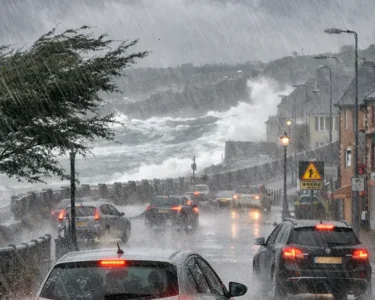
Ireland generally experiences mild temperatures, regular rainfall, cloud cover, wind and frequent changes in conditions. The Atlantic Ocean has a major influence on the country’s climate, particularly along the western and southern coasts.
The weather can also vary considerably from one part of Ireland to another. Western areas generally receive more rainfall than the east, while mountainous areas can be significantly wetter.
According to Ireland’s 1991–2020 climate averages, annual rainfall nationally is approximately 1,288 mm, with average annual totals ranging from around 878 mm in some eastern coastal areas to more than 2,000 mm in parts of the southwest mountains.
Ireland Weather by Season
Spring Weather in Ireland
Spring runs from March through May. Temperatures gradually become milder, daylight hours increase and the landscape becomes greener and more colourful.
Spring can still be unpredictable, with sunny spells mixed with rain and cool periods. April and May are among the drier months on average, although conditions can vary from year to year.
For travellers, spring can be an excellent time to explore Ireland because the days become longer while many popular destinations are less busy than during the peak summer period.
Summer Weather in Ireland
Summer covers June, July and August. It is generally the mildest and brightest part of the year, although Irish summers can still include cloudy skies and rain showers.
The weather can vary significantly between different years. Recent conditions demonstrate this clearly: July 2026 was exceptionally warm, dry and sunny, ranking as Ireland’s second-hottest July since 1900 and the driest July on record.
This shows why checking the latest forecast is important rather than relying only on typical seasonal expectations.
Autumn Weather in Ireland
September through November brings cooler temperatures, shorter days and increasingly unsettled conditions.
Rainfall generally becomes more frequent during autumn. October and November are among Ireland’s wetter months, and Atlantic weather systems can bring periods of wind and heavy rain.
Autumn can nevertheless offer beautiful scenery, particularly when the leaves change colour and the countryside takes on a different appearance.
Winter Weather in Ireland
Winter lasts from December through February. Conditions are generally cool, windy and wet, although severe cold is not typical.
December is normally Ireland’s wettest month, with the 1991–2020 average rainfall around 142 mm nationally. October, November and January are also among the wetter months.
Snow is possible, especially in January and February, but significant and persistent snow is relatively uncommon in many parts of the country. Higher ground and inland areas can experience more snow than coastal locations.
Rainfall Across Ireland
Rain is one of the defining characteristics of the weather in Ireland, but rainfall is not evenly distributed across the country.
The west generally receives more rain than the east because of Ireland’s exposure to Atlantic weather systems. Mountainous regions can receive particularly high amounts of precipitation.
This regional difference means that weather in Dublin can sometimes be noticeably different from conditions in Galway, Kerry, Donegal or other western areas.
Rainfall also changes throughout the year. Based on the 1991–2020 averages, winter and autumn are Ireland’s wettest seasons, while spring is the driest season overall.
Why Does Ireland’s Weather Change So Quickly?
Ireland’s location in the Atlantic is a major reason for its changeable weather.
Weather systems moving across the North Atlantic can bring different air masses and conditions to the country. A cloudy, wet period can therefore be followed by brighter and cooler weather as another system moves through.
Met Éireann describes a typical pattern in which Atlantic depressions bring cloudy and humid conditions with rain, followed by brighter, colder weather and showers.
This is why checking the forecast shortly before travelling or heading outdoors is often more useful than relying on a forecast several days in advance.
Weather Differences Across Irish Cities
The weather can differ between major cities and regions.
Dublin: Located on the east coast, Dublin generally receives less rainfall than many western areas and can experience relatively sheltered conditions.
Galway: Located on the west coast, Galway is more exposed to Atlantic weather and can experience stronger winds and more rainfall.
Cork: Cork and the surrounding south coast are influenced strongly by Atlantic conditions and can experience frequent rain and cloud.
Limerick: Limerick’s inland-western position means it can experience a mixture of Atlantic influence, rainfall and changing temperatures.
Waterford: Located in the southeast, Waterford can experience somewhat drier conditions than many western parts of Ireland, although weather can still change quickly.
Current conditions can be checked through services such as AccuWeather’s Ireland weather page, which provides weather information for locations around the country, including Dublin, Cork, Galway, Limerick and Waterford.
What Should You Wear in Ireland?
Because Irish weather can change during the day, dressing in layers is often a practical approach.
A light waterproof or rain jacket can be useful throughout much of the year. During colder months, warm layers and waterproof footwear can make outdoor activities more comfortable.
In summer, visitors should not assume that every day will be hot and sunny. A light jacket or waterproof layer can still be useful, especially when visiting exposed coastal areas.
How to Check the Weather in Ireland
Before travelling around Ireland, it is useful to check a current forecast for the specific town or city you plan to visit.
Forecasts can help you prepare for:
- Rain and showers
- Strong winds
- Temperature changes
- Sunshine and cloud
- Visibility
- Severe weather warnings
- Outdoor travel conditions
AccuWeather provides current conditions and forecast information for locations throughout Ireland. For official Irish meteorological information, Met Éireann is another important source for forecasts, climate information and weather warnings.
Final Thoughts
The weather in Ireland is best described as mild, maritime and changeable. The Atlantic Ocean keeps temperatures relatively moderate, while passing weather systems can create rapid changes between sunshine, clouds, rain and wind.
Ireland’s seasons each offer something different. Spring brings longer days and greener landscapes, summer provides the best opportunity for mild outdoor weather, autumn creates colourful scenery, and winter brings a cooler and often wetter atmosphere.
If you are travelling around Ireland, the best approach is to expect variety, dress in layers and check the latest local forecast before heading out. With a little preparation, Ireland’s unpredictable weather does not have to stop you from enjoying its cities, countryside and spectacular coastline.
Sources: AccuWeather for current Ireland weather information and location-based conditions; Met Éireann for Irish climate, rainfall and seasonal information.