

 By
By The Irish Museum of Modern Art (IMMA) stands among Europe’s most loved art spaces. It blends modern creativity with deep history. Located in Dublin, the museum draws visitors from across the world. Many come for art. Others visit for its gardens and calm atmosphere.
This guide explores the museum’s story, exhibitions, architecture, and visitor experience. It also explains why IMMA is trending and important in today’s art scene.
Introduction to the Irish Museum of Modern Art
The Irish Museum of Modern Art is Ireland’s national institution for modern and contemporary art. It opened in 1991 and has grown into a key cultural centre. The museum holds a national collection of more than 3,500 artworks by Irish and global artists.
IMMA focuses on art from the mid-20th century to the present. Visitors can explore paintings, sculpture, photography, installations, and digital works.
The museum’s mission is simple. It collects, preserves, and shares modern art with the public. It also creates space for dialogue, education, and community learning.
Location and Setting
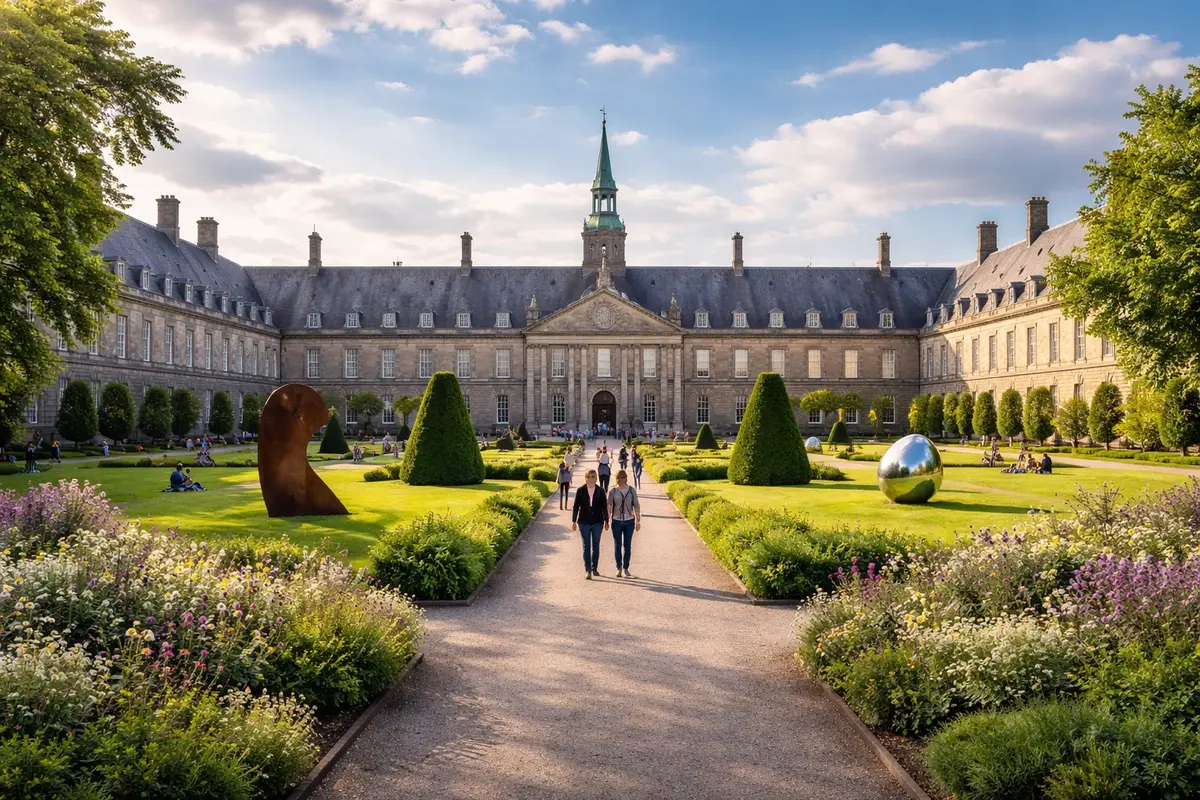
IMMA sits in Kilmainham, Dublin, inside the Royal Hospital Kilmainham. This historic building dates back to the 17th century. It was once a home for retired soldiers.
The site spreads across large grounds with gardens, meadows, and courtyards. Visitors can enjoy both indoor galleries and outdoor spaces.
The mix of historic architecture and modern art gives the museum its unique charm. Long corridors and interconnected rooms surround a central courtyard.
History of the Museum
The museum began with an idea from art collector Gordon Lambert. He offered his collection if Ireland created a modern art gallery. The government accepted, leading to the museum’s founding in 1990.
It officially opened in 1991 and quickly gained attention. Over the years, IMMA has hosted many global exhibitions and artist residencies. Its permanent collection also expanded through donations and acquisitions.
Today, the museum stands as one of Ireland’s most important cultural institutions.
Architecture and Building Design
The Royal Hospital Kilmainham building is a masterpiece of classical architecture. Inspired by Les Invalides in Paris, the structure features symmetry, stone façades, and elegant courtyards.
Inside, the galleries adapt the historic rooms for modern art display. The contrast between old stone walls and contemporary art creates a strong visual effect.
Visitors often praise the building itself as part of the artistic experience. Walking through IMMA feels like exploring both history and creativity.
Permanent Collection Highlights
IMMA’s permanent collection includes works by leading Irish and international artists. The collection reflects different styles and movements from modernism to contemporary conceptual art.
Irish artists such as Dorothy Cross and Brian O’Doherty feature strongly. Their works explore identity, culture, and social change.
International artists also play a key role in the collection. Pieces from figures like Marina Abramović and Lucian Freud offer global perspectives.
The museum rotates its permanent collection regularly. This approach keeps the experience fresh for returning visitors.
Temporary Exhibitions and Events
Temporary exhibitions are a major attraction at IMMA. The museum hosts solo shows, group exhibitions, and thematic displays throughout the year.
These exhibitions often focus on social issues, cultural identity, and experimental art. Multimedia installations and performance art are common features.
IMMA also organises festivals, talks, workshops, and live performances. These events create a lively cultural space that extends beyond gallery viewing.
Artist Residency Programme
The museum runs one of Ireland’s most respected artist residency programmes. Artists from Ireland and abroad stay on site and create new work.
Residencies encourage collaboration and experimentation. Artists interact with visitors through open studios and public talks.
Many artists describe the residency as a turning point in their careers. It offers time, space, and support for creative growth.
Gardens and Outdoor Spaces
IMMA’s outdoor areas add to its appeal. Formal gardens, meadow spaces, and sculpture installations surround the building.
The gardens offer peaceful walks and picnic spots. Families, students, and tourists often spend time here even without visiting galleries.
Outdoor sculptures create a dialogue between art and nature. Seasonal changes also transform the visual experience of the site.
Educational and Community Programmes
Education plays a central role at IMMA. The museum offers workshops for schools, families, and adults. Guided tours help visitors understand modern art in simple ways.
Community programmes connect art with local groups. Projects often focus on inclusion, wellbeing, and cultural exchange.
These initiatives make the museum more than a gallery. It becomes a learning and social space.
Digital and Virtual Experiences
IMMA has embraced digital engagement. Virtual tours, online exhibitions, and video content allow global audiences to explore the museum.
Social media also plays a strong role in outreach. Interactive posts and behind-the-scenes content attract younger audiences.
Digital access expanded during recent years and continues to grow. It helps IMMA reach people who cannot visit in person.
Why IMMA Is Trending
The Irish Museum of Modern Art trends for several reasons. New exhibitions and artist collaborations attract media attention. Cultural tourism in Dublin also boosts interest.
Social media shares of installations and gardens increase online visibility. Visitors often post photos of the historic building and artwork.
The museum’s focus on contemporary social themes also keeps it relevant. Exhibitions exploring identity, climate, and technology spark discussion.
Visitor Experience
Visiting IMMA is often described as relaxing and inspiring. The calm setting contrasts with busy city life. Many visitors enjoy wandering without strict plans.
The museum offers free entry to most exhibitions, making art accessible. Paid events and special shows add variety.
Cafés, bookshops, and resting areas enhance the experience. Visitors can spend hours exploring without feeling rushed.
Accessibility and Facilities
IMMA prioritises accessibility. Wheelchair access, guided tours, and family-friendly spaces ensure inclusivity.
Facilities include rest areas, cafés, gift shops, and visitor information desks. Clear signage helps visitors navigate the large building.
Public transport links and parking options make the museum easy to reach.
Cultural Impact in Ireland
IMMA has shaped Ireland’s contemporary art scene. It supports artists, curators, and creative professionals. The museum also connects Irish art with global networks.
Exhibitions often reflect Ireland’s cultural identity and social changes. They provide a platform for emerging voices and diverse perspectives.
The museum’s influence extends beyond Dublin. It contributes to national cultural policy and international collaborations.
Tourism and Economic Contribution
As a major attraction, IMMA supports tourism in Dublin. Visitors often combine the museum with nearby sites such as Kilmainham Gaol and Phoenix Park.
Tourism generates revenue for local businesses, hotels, and restaurants. Cultural attractions like IMMA help position Dublin as a creative city.
Events and festivals also attract international visitors.
Challenges and Future Vision
Like many cultural institutions, IMMA faces challenges. Funding, audience engagement, and digital competition require ongoing adaptation.
The museum continues to explore new curatorial approaches and digital tools. Sustainability and community engagement remain key priorities.
Future plans focus on expanding audiences, supporting artists, and strengthening international