

 By
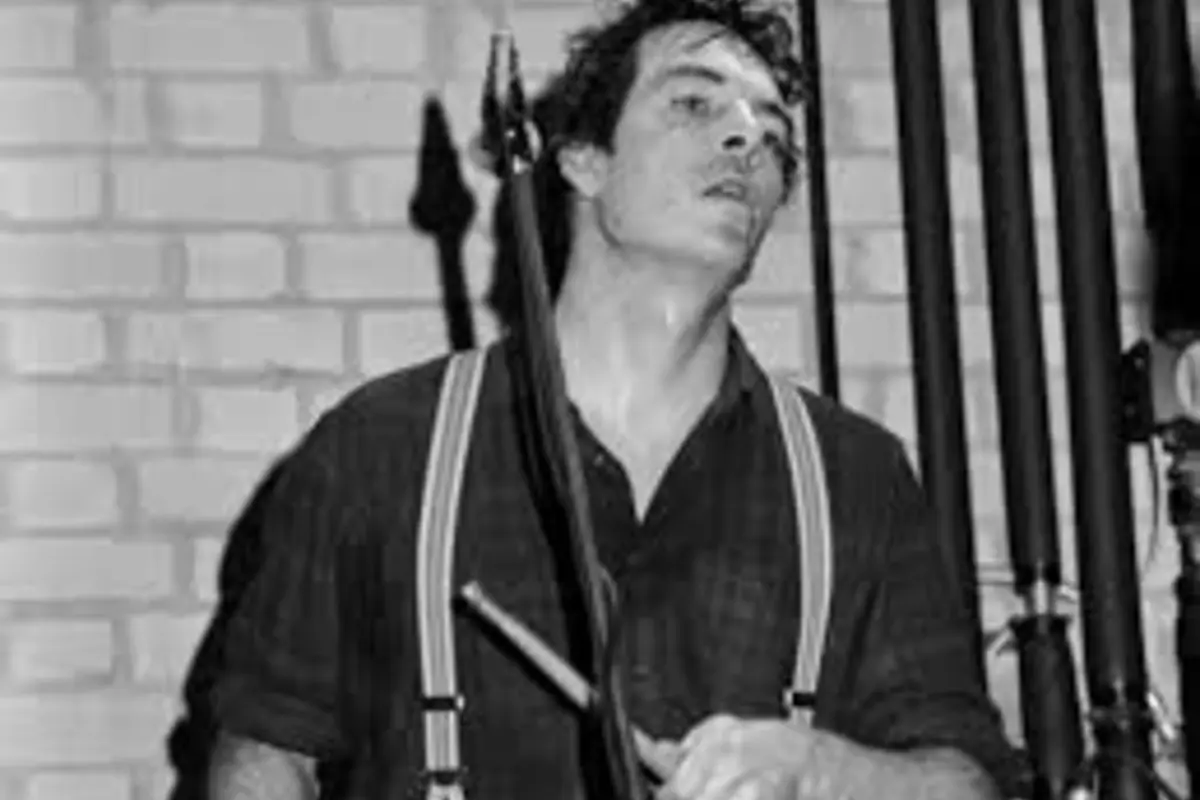
By Andrew Ranken, drummer and founding member of The Pogues, has died at the age of 72. His passing has brought sadness to fans of Irish folk-punk music around the world. He played a key role in shaping the sound of one of the most loved bands of the 1980s. His simple but powerful drumming helped define the band’s identity. Many musicians and fans remember him as a creative artist who valued rhythm, tradition, and raw energy.
Ranken was not always in the spotlight, but his work was central to the band’s success. The Pogues became known for mixing Irish folk music with punk attitude. That unique mix created a sound that stood out from other bands of the time. Andrew Ranken helped build that sound from the beginning.
His death marks the end of an important chapter in music history. His influence continues through recordings, live performances, and the many artists inspired by his style.
Early Life and Musical Beginnings
Andrew Ranken was born in England and grew up surrounded by music and culture. As a young person, he showed interest in rhythm and performance. He began playing drums in small local bands. These early experiences helped him develop confidence and stage presence.
Unlike many trained musicians, Ranken preferred learning through practice. He experimented with sound and rhythm rather than focusing on formal lessons. This approach later became part of his musical identity.
During the late 1970s, the punk movement was growing in the United Kingdom. Many young musicians were inspired by its energy and freedom. Ranken became part of this movement. He played with several underground bands before joining the group that would later become The Pogues.
These early years shaped his musical direction. They also helped him meet the artists who would become lifelong collaborators.
Formation of The Pogues
The Pogues formed in London in the early 1980s. The band combined traditional Irish instruments with punk music. This idea was unusual at the time, but it quickly gained attention.
Andrew Ranken was one of the founding members. His drumming provided the strong base that allowed other instruments to shine. The band used instruments such as the tin whistle, accordion, banjo, and guitar. Ranken’s steady rhythm connected these sounds into a single style.
The group’s early performances were energetic and unpredictable. Audiences responded to their honesty and passion. Their music spoke to people who felt connected to Irish culture as well as fans of punk music.
Ranken’s role was essential during these early years. He helped shape the band’s identity through rhythm and performance.
Musical Style and Contribution
Andrew Ranken’s drumming style was simple but powerful. He focused on rhythm rather than complex technique. This made his playing easy to recognise.
He often used traditional percussion sounds along with standard drum kits. This helped blend folk music with modern punk energy. His timing kept the band together during fast and emotional songs.
Many musicians admired his ability to support the music without overpowering it. He understood when to play strongly and when to hold back. This balance made The Pogues’ music feel natural and alive.
Ranken also contributed creatively to performances. He believed live music should feel real and slightly unpredictable. Fans often remember the energy of Pogues concerts as much as the songs themselves.
His work helped create a sound that remains unique in popular music.
Success in the 1980s
The Pogues gained major success during the mid-1980s. Their albums received strong reviews from critics and fans. Songs from this period became lasting classics.
Andrew Ranken performed on many of these recordings. His drumming supported both slow folk songs and fast punk tracks. This flexibility made him valuable to the band.
Live concerts during this time helped build their reputation. The band toured across Europe and North America. Audiences connected with their emotional and cultural themes.
The Pogues became known for honest storytelling and traditional influence. Ranken’s rhythm helped carry those stories.
By the end of the decade, the band had become one of the most recognised folk-punk groups in the world.
Later Years with the Band
Andrew Ranken remained connected to The Pogues through many changes. The band experienced lineup shifts and personal struggles. Despite these challenges, their music continued to reach audiences.
Ranken’s presence brought stability to performances. He understood the band’s original spirit and helped preserve it.
Even when the group slowed down its activity, their music remained popular. Old songs continued to reach new listeners through radio, film, and streaming services.
Ranken took part in reunion shows and special performances. These events reminded fans of the band’s lasting impact.
His connection to the band remained strong throughout his life.
Influence on Folk-Punk Music
Andrew Ranken helped define the rhythm of folk-punk music. Many later bands followed the path created by The Pogues. They mixed traditional instruments with modern energy.
His drumming showed that simple rhythm could be powerful. It did not need to be complicated to be meaningful.
Musicians across Ireland, the UK, and beyond credit The Pogues as an influence. Ranken’s style became part of that influence.
Music teachers sometimes use Pogues songs to show how rhythm supports storytelling. This shows how lasting his work has become.
His influence continues through new artists who explore folk-inspired punk music.
Remembering Andrew Ranken
Fans remember Andrew Ranken as calm, creative, and dedicated to music. He avoided fame and focused on performance. Many people describe him as humble and thoughtful.
Bandmates often spoke about his sense of rhythm and humour. He brought balance to the group both on stage and off.
After news of his death spread, tributes appeared from musicians and fans. Many shared memories of concerts and favourite songs.
His work remains alive through recordings and performances. Music allows artists to live on through sound.
Andrew Ranken’s contribution to music will not be forgotten.
Timeline of Andrew Ranken’s Career
| Year | Event | Importance | Keywords |
|---|---|---|---|
| Early 1980s | Formation of The Pogues | Beginning of folk-punk sound | Andrew Ranken, The Pogues |
| 1984 | First major album releases | Band gains recognition | folk-punk music |
| Late 1980s | International tours | Global fanbase grows | Irish punk band |
| 2000s | Reunion performances | Music reaches new audiences | Pogues reunion |
| 2026 | Andrew Ranken dies aged 72 | End of musical era | Andrew Ranken death |
Legacy of Andrew Ranken
Andrew Ranken’s legacy lives through music history. His work helped create a sound that connected cultures and generations. The mix of Irish folk tradition and punk spirit remains powerful today.
He showed that rhythm can carry emotion and storytelling. His drumming was never about showing off skill. It was about serving the song.
The Pogues remain one of the most important bands in folk-punk history. Ranken’s contribution to that story is permanent.
Future musicians will continue to learn from his style. Fans will continue to listen to the music he helped create.
Andrew Ranken may be gone, but his rhythm continues.
Conclusion
The death of Andrew Ranken at age 72 marks a sad moment for music fans. He helped build one of the most original band sounds of the late twentieth century. His drumming supported songs that still connect with listeners today.
The Pogues changed how people saw traditional music. They proved folk sound could exist beside punk energy. Andrew Ranken helped make that possible.
His life reminds us that music is built not only by singers and songwriters, but also by those who create rhythm and foundation.
His legacy remains strong through recordings, concerts, and influence on new artists.
Andrew Ranken will always be remembered as the heartbeat of The Pogues.