

 By
By A strong sense of relief spread across Dublin Airport when the first flight from Dubai landed after days of disruption. The crisis in the Middle East had forced airlines to suspend or delay many flights across the region. Airspace closures and safety warnings created major challenges for global travel. Many passengers were stranded in airports or forced to change their travel plans.
Flights between Europe and the Middle East play a key role in global aviation. Dubai is one of the busiest aviation hubs in the world. Many travellers use it as a connection point when flying between Europe, Asia, and Australia. When flights from Dubai stopped, the effect spread across many international routes.
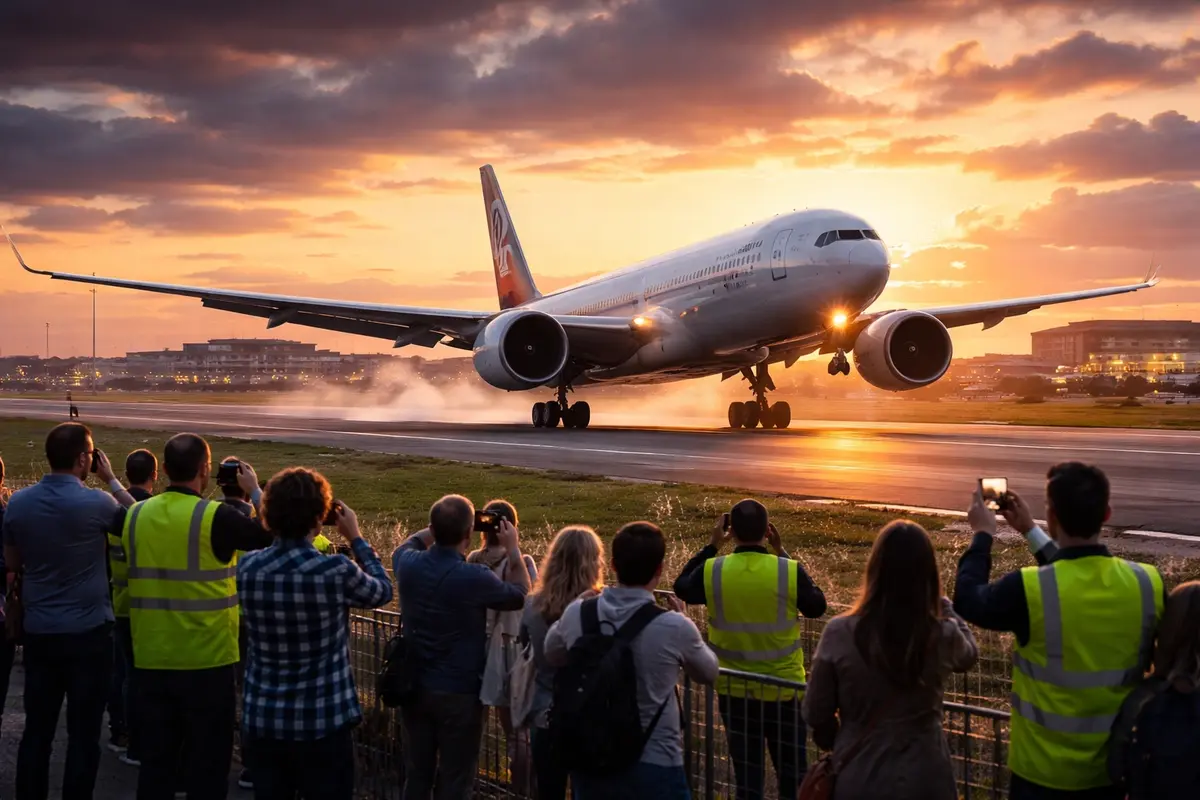
Passengers travelling to Ireland waited anxiously for updates. Some had business commitments. Others were tourists or workers trying to return home. When the first flight from Dubai finally touched down in Dublin, it marked an important moment. The landing showed that travel routes were slowly reopening after the disruption.
This event brought hope to travellers and airlines. It also showed how quickly aviation networks respond to global crises.
The Middle East Crisis and Its Effect on Aviation
The crisis in the Middle East created serious problems for global air travel. Several countries in the region introduced strict airspace restrictions due to safety concerns. Airlines could not fly through certain areas because of military activity and security alerts.
Airspace restrictions force airlines to change routes quickly. Aircraft must avoid restricted skies. This often leads to flight cancellations or long delays. Some airlines stopped flights completely until the situation became clearer.
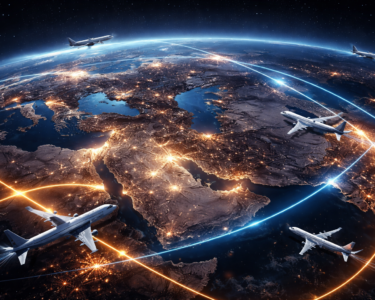
The Middle East sits between Europe and Asia. Many long-distance flights pass through this region every day. When these routes close, airlines must search for safe alternatives. These changes affect flight schedules around the world.
Flights that normally travel over the Gulf region had to change direction. Some airlines rerouted aircraft north through Turkey and Central Asia. Others used southern routes over Egypt and the Red Sea. These new paths increased travel time and fuel costs.
Passengers across many countries felt the impact. Flights were cancelled with little warning. Airports filled with travellers waiting for updates. Airlines worked hard to manage the sudden disruption while keeping safety as the main priority.
Dubai’s Role as a Global Aviation Hub
Dubai plays a central role in global aviation. Dubai International Airport is one of the busiest airports on the planet. It connects travellers from Europe, Asia, Africa, and Australia through a single hub.
Millions of passengers pass through Dubai every year. Many travellers use the airport as a transfer point between continents. A passenger flying from Asia to Europe often changes planes there.
This hub system allows airlines to connect many cities through fewer flights. It also helps passengers reach destinations that may not have direct routes.
Dubai also supports global cargo transport. Many goods pass through the airport daily. Electronics, medical supplies, and fresh food move through the region quickly using air cargo.
Because of this role, any disruption in Dubai affects global travel networks. When flights through the region slowed down, many international routes were affected.
Passengers who planned to travel through Dubai had to change their plans. Airlines had to adjust schedules and find alternative routes.
Dublin Airport and Its Global Connections
Dublin Airport is Ireland’s largest international gateway. The airport links Ireland with major cities across Europe, North America, and the Middle East. It plays an important role in connecting Ireland to the rest of the world.
The Dublin–Dubai route is especially important. It connects Ireland with Asia, Australia, and many Gulf countries. Many travellers use Dubai as a connection point for long-distance journeys.
Tourists, business travellers, and students often rely on this route. Irish companies also depend on these flights for business travel and trade links.
When the Middle East crisis began, airlines paused flights between Dublin and Dubai. This decision was made to protect passengers and crews. Airlines needed time to evaluate safe routes.
Passengers waiting to travel to Ireland faced uncertainty. Some remained in airports for hours or days. Others stayed in nearby hotels while waiting for flights to resume.
Airport staff and airlines worked closely to manage the situation. They monitored airspace updates and informed travellers about schedule changes.
The First Dubai Flight Arrives in Dublin
The arrival of the first flight from Dubai was an emotional moment at Dublin Airport. Passengers and airport staff welcomed the aircraft after days of uncertainty.
Travellers on the flight had experienced delays and route changes during their journey. Many had waited several days before they could finally travel.
When the aircraft landed, passengers expressed relief and gratitude. Some travellers were returning home after long journeys. Others had missed important events because of the disruption.
Families gathered in the arrivals hall to welcome loved ones. Airport workers also felt a sense of relief. Staff had worked around the clock helping passengers manage cancellations and travel changes.
The arrival showed that airlines were slowly restoring safe travel routes. It also proved that global aviation systems can adapt during difficult situations.
How Airlines Adjusted Flight Routes
Airlines must respond quickly when airspace becomes unsafe. Safety always comes first in aviation.
Airline flight planners monitor updates from aviation authorities around the world. These updates show which areas aircraft must avoid.
When a region becomes unsafe, airlines design new flight paths. These routes must avoid restricted areas while still reaching the destination.
During the Middle East crisis, many airlines avoided flying over Iran, Iraq, and nearby regions. Aircraft took longer routes through safer areas.
Some flights travelled north through Turkey and Central Asia. Others used southern routes through Egypt and the Red Sea.
These changes increased flight distance and travel time. Pilots also received updated flight instructions before departure.
Airlines reviewed routes daily as the situation changed. This constant monitoring helped maintain safe travel.
Passenger Experiences During the Disruption
Passengers experienced many challenges during the travel disruption. Many travellers waited in airports for long periods while airlines confirmed new routes.
Flights were often delayed or cancelled with little notice. Some passengers missed connecting flights because of schedule changes.
Families travelling with children faced added stress. Finding hotel rooms near airports became difficult as many travellers needed places to stay.
Airlines tried to help passengers during the crisis. Some airlines provided meal vouchers or hotel accommodation.
Travellers also relied on airline mobile apps and airport announcements for updates.
Despite the stress, many passengers remained patient. Most travellers understood that safety decisions were necessary.
The landing of the Dubai flight in Dublin brought relief to many passengers who had been waiting for days.
The Role of Airports During Travel Disruptions
Airports play an important role during travel disruptions. Airport teams must manage large crowds and sudden schedule changes.
Customer service staff help passengers rebook flights and find information. Security teams maintain safe operations even during busy periods.
Airport control centres monitor flight movements in real time. They communicate with airlines, air traffic controllers, and government authorities.
During the crisis, airports worked closely with airlines to restore travel services.
Dublin Airport staff helped travellers understand flight updates and alternative options.
This cooperation between airlines and airports helped reduce confusion during the disruption.
Global Impact on Aviation
The Middle East crisis affected aviation around the world. Flights between Europe and Asia experienced delays and longer travel times.
Airlines used more fuel because of longer routes. This increased operating costs for many carriers.
Ticket prices also increased for some international flights. Airlines had fewer available seats because of cancellations.
Cargo flights faced delays as well. Air cargo is used to transport goods such as electronics, medicine, and food.
When cargo routes slow down, global supply chains can feel the impact.
Airlines continue to adjust routes and schedules as the situation changes.
Why the Dublin–Dubai Route Matters
The connection between Dublin and Dubai is important for tourism and business travel. Irish travellers often use Dubai as a gateway to Asia and Australia.
Business links between Ireland and Gulf countries also depend on these flights.
Companies use these routes to move employees and goods between regions.
Students studying abroad also rely on these travel connections.
When flights between Dublin and Dubai resumed, it helped reconnect Ireland with many international destinations.
Airlines may still adjust schedules depending on regional conditions.
However, the arrival of the first flight showed that aviation routes are slowly stabilising.