

 By
By Ireland has moved to deepen naval co-operation with France and Britain. The plan allows allied ships to patrol Irish-controlled waters. It also offers extra protection during Ireland’s EU presidency period.
This decision marks a shift in Irish defence policy. It reflects rising security concerns in European waters. It also highlights the need for shared naval support among neighbouring states.
This article explains the background, goals, political debate, and future impact of this defence move.
Introduction to Ireland’s Defence Position
Ireland has a long tradition of military neutrality. The country is not part of NATO. Its defence strategy focuses on territorial protection, peacekeeping, and international co-operation.
Despite neutrality, Ireland works with EU partners on security matters. Joint training, intelligence sharing, and maritime patrols are common. These partnerships help manage limited defence resources.
Recent events in Europe have increased focus on maritime security. Undersea cables, energy routes, and shipping lanes face new risks.
Why Naval Security Matters for Ireland
Ireland controls a vast maritime area in the North Atlantic. Its exclusive economic zone is much larger than its land territory. This zone includes key shipping routes and critical infrastructure.
Undersea communication cables run through Irish waters. These cables carry global internet traffic. Damage or interference could disrupt economies and communications.
Fishing, energy exploration, and transport also rely on safe seas. Protecting these interests requires strong maritime awareness and patrol capacity.
Details of the Naval Co-operation Plan
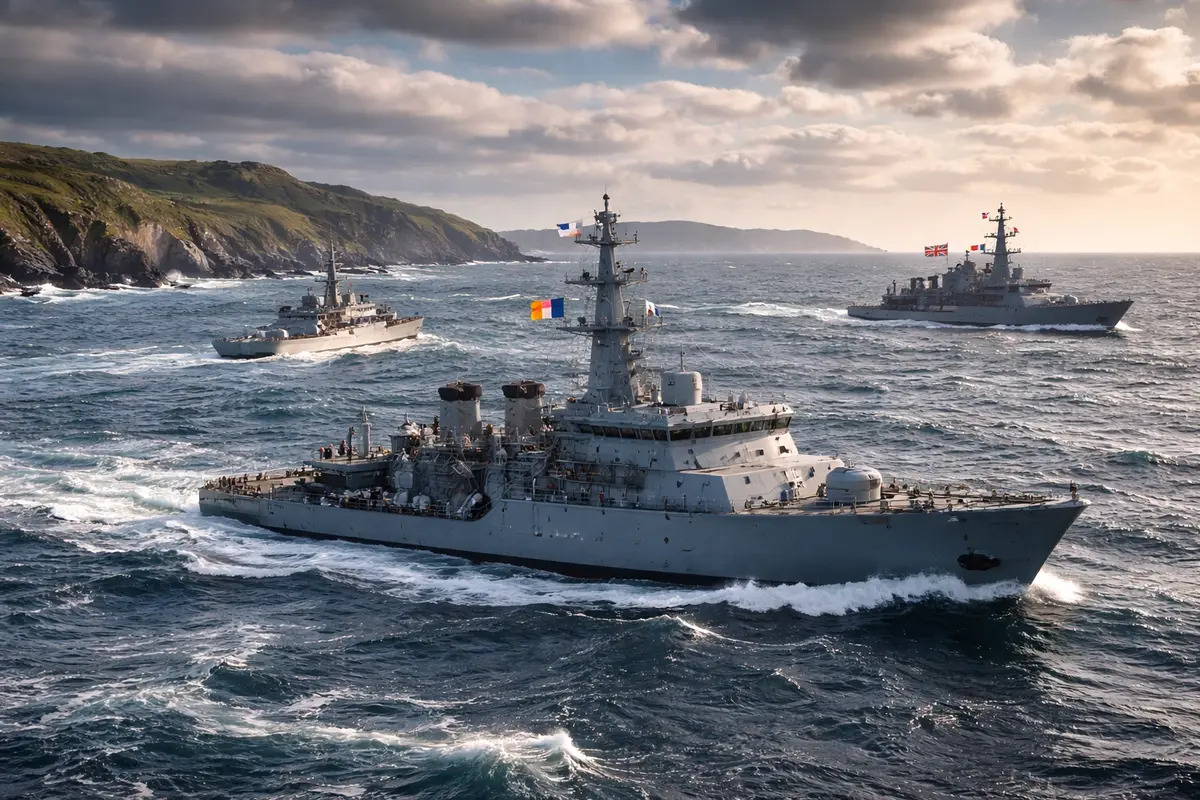
Ireland’s new co-operation plan allows French and British naval vessels to operate in Irish-controlled waters when needed. These patrols will focus on surveillance, deterrence, and protection tasks.
The arrangement does not replace Irish sovereignty. Irish authorities maintain control over operations. Partner vessels act with consent and within agreed frameworks.
Joint patrols may include monitoring suspicious activity and safeguarding undersea infrastructure. Training exercises and information sharing will also increase.
Role of the EU Presidency
Ireland’s upcoming EU presidency adds urgency to security planning. High-level meetings, diplomatic events, and increased travel require enhanced protection.
Naval support from partners helps manage potential threats. The presence of allied vessels strengthens deterrence and response capacity.
This co-operation reflects wider EU security goals. Member states often support each other during major political periods.
Ireland’s Naval Capacity Challenges
Ireland’s Naval Service plays a key role in maritime protection. It conducts patrols, fisheries monitoring, and search and rescue missions. However, capacity limits have become a concern.
Personnel shortages and ageing ships affect patrol coverage. Some vessels have faced maintenance issues, reducing operational readiness.
These challenges have sparked debate about defence funding. Many experts argue Ireland needs greater investment in maritime capability.
Benefits of Co-operation With France and Britain
Partnering with France and Britain offers several advantages. Both nations have strong naval forces and advanced surveillance systems. Their presence expands Ireland’s maritime awareness.
Joint patrols improve intelligence sharing and response speed. Training with experienced crews also strengthens Irish naval skills.
The arrangement builds trust among neighbouring states. It reflects shared responsibility for regional security.
Political Debate in Ireland
The defence move has sparked political discussion. Supporters argue it is a practical response to real security risks. They stress that co-operation does not compromise neutrality.
Critics express concern about sovereignty and long-term dependence. Some fear the arrangement could move Ireland closer to military alliances.
Government leaders emphasise that Ireland remains neutral. They describe the plan as limited, voluntary, and focused on maritime safety.
Neutrality and Modern Security Realities
Ireland’s neutrality has shaped its foreign policy for decades. The country often promotes diplomacy and peacekeeping roles. Yet modern threats challenge traditional defence models.
Cyber risks, infrastructure threats, and hybrid warfare cross borders. Maritime security requires co-operation beyond national fleets.
Many neutral states now engage in defence partnerships without joining military alliances. Ireland’s naval co-operation fits this evolving approach.
Strategic Importance of Undersea Infrastructure
Undersea cables are central to global communication networks. A large portion of transatlantic data passes near Ireland. These cables support finance, technology, and everyday communication.
Recent global tensions have raised fears of sabotage. Protecting cables requires surveillance and rapid response capability.
Joint patrols with partner navies help monitor sensitive areas. Advanced sonar and detection systems enhance security coverage.
France and Britain as Key Partners
France and Britain share geographic proximity and strategic interests with Ireland. Both maintain strong naval presences in European waters.
France brings expertise in Atlantic patrol and surveillance technology. Britain offers experience in maritime security and intelligence operations.
Co-operation with these nations strengthens regional stability. It also supports EU and broader European defence goals.
EU Security and Maritime Strategy
The European Union has increased focus on maritime security. Initiatives aim to protect trade routes, energy supplies, and communication networks.
Ireland’s co-operation aligns with these EU priorities. Joint naval activity supports shared security responsibilities among member states.
The move also highlights growing European defence integration. While Ireland remains neutral, it contributes to collective stability.
Impact on Regional Security
Enhanced patrols may deter hostile activity in Irish waters. The presence of multiple naval forces increases surveillance coverage. This makes covert operations more difficult.
Regional security benefits from shared intelligence and coordination. Maritime threats rarely affect one country alone.
Stronger co-operation also reassures allies and partners. It signals commitment to protecting critical infrastructure.
Economic and Trade Implications
Ireland’s economy depends heavily on maritime trade. Ports handle imports, exports, and energy supplies. Disruption at sea could affect supply chains.
Improved security reduces risk to shipping routes. Businesses gain confidence in stable transport networks.
Energy infrastructure, including offshore wind projects, also benefits from maritime protection.
Public Perception and Media Coverage
Media coverage has highlighted both support and concern. Many reports stress the need for stronger maritime defence. Others question the balance between neutrality and security co-operation.
Public opinion appears mixed but pragmatic. Security threats and infrastructure risks influence attitudes.
Clear communication from government leaders remains important. Transparency helps maintain trust in defence decisions.
Long-Term Defence Policy Implications
This naval co-operation may shape future Irish defence policy. It could lead to further joint training and capability sharing. Increased investment in naval assets may also follow.
The arrangement reflects a gradual shift toward practical security partnerships. It shows how neutral states adapt to changing threats.
Future policy debates will likely focus on funding, sovereignty, and strategic priorities.
Comparison With Other Neutral States
Several neutral European states engage in defence co-operation. Finland and Sweden historically worked with NATO before joining the alliance. Austria and Switzerland also collaborate on security matters.
Ireland’s approach mirrors this trend. Partnerships provide support while maintaining formal neutrality.
These models suggest neutrality and co-operation can coexist in modern security environments.
Future Outlook
Ireland’s naval co-operation with France and Britain will likely continue during the EU presidency. The success of joint patrols may influence long-term arrangements.
Security risks in maritime regions remain a concern. Undersea infrastructure protection will stay a priority.
Future developments may include technology upgrades, increased funding, and expanded partnerships. Ireland’s defence strategy will continue balancing neutrality with practical security needs.