

 By
By Fighting in the Middle East has widened. The conflict now includes Lebanon. Israel and Hezbollah are exchanging fire across the border.
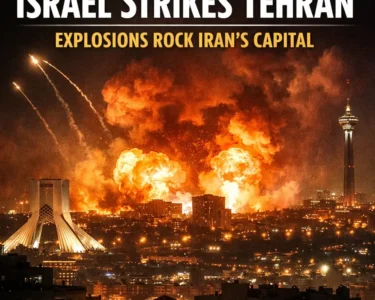
Israel says it struck targets in Lebanon linked to Hezbollah. These strikes followed joint U.S.–Israeli attacks on Iran.
Hezbollah is a Shia armed group based in Lebanon. It is backed by Iran. It has fought Israel before. The latest clashes raise fears of a wider war.
This report explains what is happening, why it matters, and what may come next. It gives clear facts in simple language.
How the Fighting Spread to Lebanon
Tension had already been high. After strikes on Iran, regional groups began to respond. Hezbollah warned that it would not stay silent.
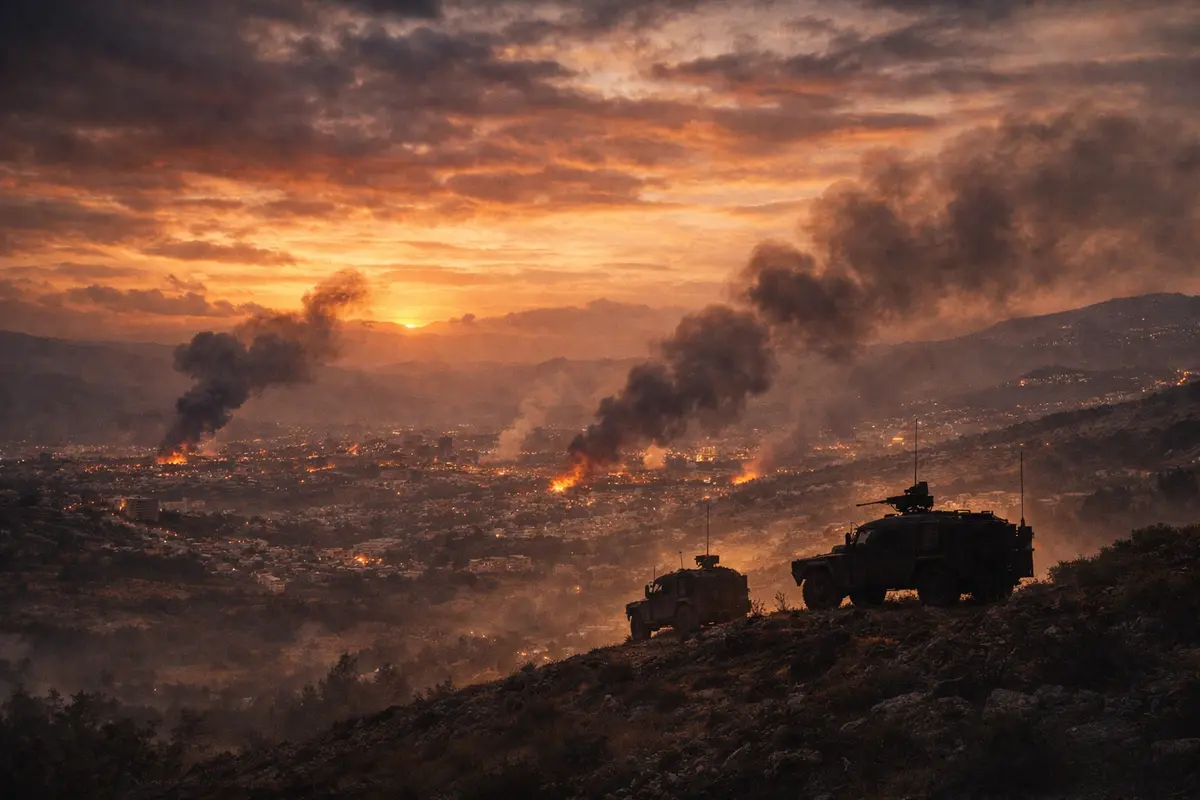
Israel then hit sites in southern Lebanon. It said these sites stored rockets and weapons. Israel claims Hezbollah used them to prepare attacks.
Hezbollah answered with rocket fire into northern Israel. Sirens sounded in Israeli towns near the border. Israel returned fire with airstrikes and artillery.
The border area has seen repeated exchanges over the past days. Each side says it is acting in self-defence.
Who Is Hezbollah?
Hezbollah formed in the early 1980s. It rose during Lebanon’s civil war. It receives funding and arms from Iran.
The group holds seats in Lebanon’s parliament. It also has a strong armed wing. Many countries list it as a terrorist group. Others treat it as a political force.
Hezbollah fought a major war with Israel in 2006. That war caused heavy damage in Lebanon and Israel. The memory of that conflict shapes today’s events.
Why Israel Is Targeting Hezbollah
Israel sees Hezbollah as its main threat on the northern front. The group has thousands of rockets. Some can reach deep into Israel.
Israeli leaders say they will not allow Hezbollah to open a new front while fighting grows elsewhere. They claim the recent strikes aim to weaken Hezbollah’s weapons network.
Israel has often targeted weapons routes in Syria and Lebanon. This time, the scale appears larger.
Iran’s Role in the Conflict
Iran supports Hezbollah with funds, weapons, and training. Hezbollah is part of Iran’s regional network of allied groups.
After attacks on Iranian targets, Israel appears to be striking Iran’s partners. This widens the conflict beyond one country.
Iran has warned that attacks on its allies will not go unanswered. Yet it has not announced direct military action in Lebanon at this stage.
Civilian Impact in Lebanon
Southern Lebanon has faced airstrikes and shelling. Some villages near the border have seen people flee.
Schools have closed in some areas. Shops remain shut in towns close to the fighting.
The Lebanese government has called for calm. It says it does not want full war. Lebanon’s economy is already in crisis. Another war could cause deep harm.
Civilian Impact in Israel
Northern Israel has seen rocket alerts. Residents have entered shelters. Some towns advised people to stay indoors.
Flights in some areas have been delayed. The army has deployed more troops near the border.
Israel’s defence system has intercepted some rockets. Yet officials warn that risk remains high.
The Risk of a Wider War
This conflict could spread further. Several factors raise concern:
- Iran may increase support for Hezbollah.
- Other armed groups may join the fight.
- Israel may expand its strikes deeper into Lebanon.
The region has seen cycles of violence before. Each round carries risk of miscalculation.
Diplomatic Efforts
Global leaders are urging restraint. The United Nations has called for de-escalation.
Some European states are pushing for back-channel talks. The United States says it supports Israel’s right to defend itself. It also says it wants to avoid a broader war.
Arab states are divided. Some fear chaos. Others blame Israel’s strikes for the rise in tension.
Military Balance on the Border
Hezbollah has a large arsenal of short and medium-range rockets. Israel has air power and missile defence systems.
Israel’s Iron Dome system intercepts many incoming rockets. Yet a heavy barrage could strain defences.
Hezbollah also uses drones and anti-tank missiles. Israel has advanced surveillance and strike capacity.
Both sides appear cautious, yet firm.
Lebanon’s Political Position
Lebanon’s government holds limited control over Hezbollah’s armed wing. The group operates with strong autonomy.
Some Lebanese parties oppose Hezbollah’s actions. Others support its stance against Israel.
Political divisions make a united national response difficult.
Economic Consequences
Lebanon faces high debt and weak banks. Tourism has already suffered. Fresh fighting could worsen hardship.
Israel’s economy is stronger, yet war strains any state. Prolonged conflict raises defence costs and slows trade.
Markets react quickly to news from the region. Oil prices often rise during tension.
Historical Background
Israel and Hezbollah fought a major war in 2006. That conflict lasted 34 days. Over 1,000 people in Lebanon died. Dozens died in Israel.
The war ended with a UN ceasefire. Since then, both sides have avoided full war. Yet border clashes occur from time to time.
Today’s events are the most serious since then.
Possible Scenarios
Limited Exchange
Both sides trade fire but avoid deep strikes. Diplomacy helps cool tension.
Escalation
Heavier rocket attacks and broader Israeli airstrikes follow. Civilian harm increases.
Full War
Ground forces enter southern Lebanon. Regional actors become involved.
At this stage, events remain fluid.
What to Watch Next
- Statements from Hezbollah leadership
- Israel’s military movements
- Iran’s official response
- Diplomatic signals from global powers
Each development may shape the direction of the conflict.