 By
By Winter weather has caused major travel disruption across Ireland and Europe. Heavy snow and ice have affected flights, roads, and rail routes. Dublin Airport is one of the hardest hit transport hubs. Airlines are warning passengers to expect delays and cancellations.
Aer Lingus has issued travel alerts. The airline says snow and ice are affecting aircraft movement and airport operations. Similar problems are reported across Europe. Many airports are struggling to keep runways open.
This weather event has created widespread travel chaos. Thousands of passengers are affected. Holiday plans and business trips are disrupted.
This article explains what is happening, why it matters, and what travelers should expect next.
Why Winter Weather Is Causing Travel Chaos
Cold air has moved across Ireland and mainland Europe. Temperatures have dropped below freezing in many regions. Snowfall has been steady and heavy in some areas.
Ice forms when snow melts and refreezes. This makes runways and taxiways dangerous. Aircraft cannot take off or land safely in these conditions.
Airports must reduce operations during icy weather. Safety checks take longer. De-icing planes also slows schedules.
When delays begin, they quickly spread across flight networks.
Dublin Airport Under Heavy Pressure
Dublin Airport handles thousands of flights each day. Even small delays can cause major backlogs.
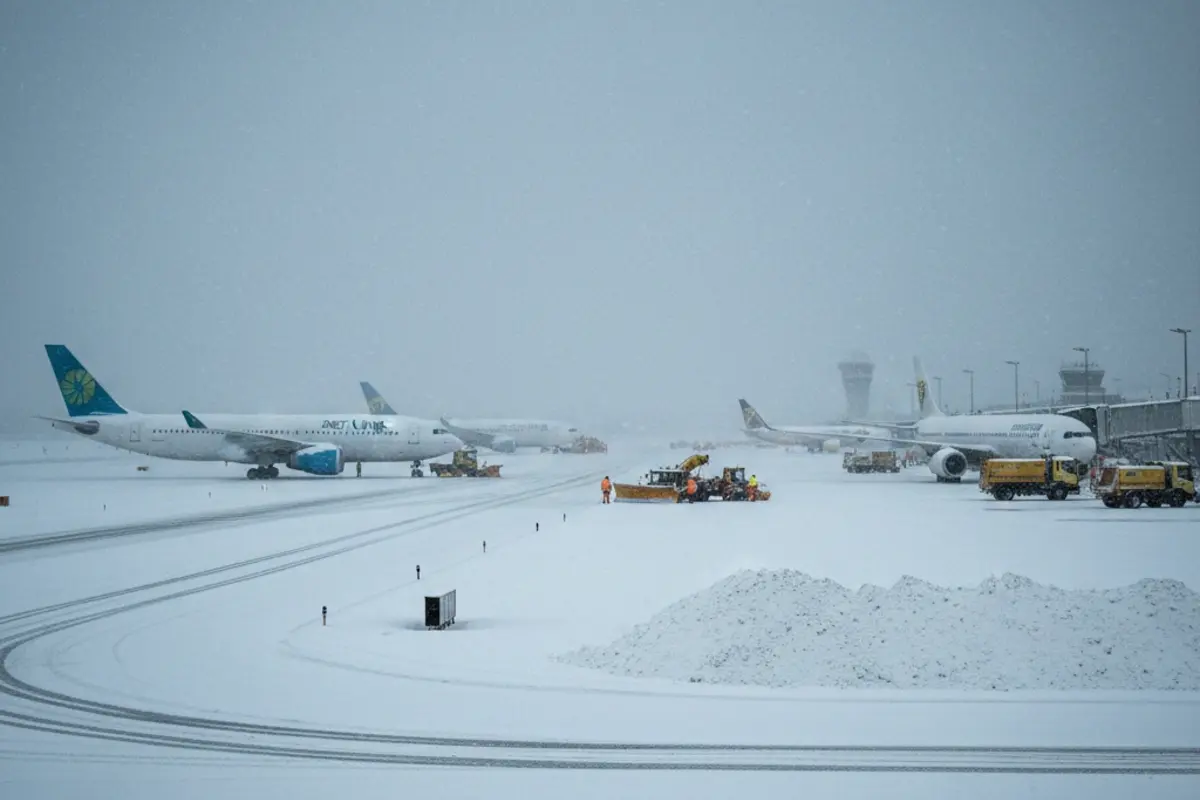
Snow and ice have affected runway conditions. Ground crews are working nonstop to clear surfaces. De-icing trucks are in constant use.
Despite these efforts, delays are unavoidable. Some flights are canceled to manage safety risks.
Passengers have reported long queues. Security lines and boarding areas are crowded.
Airport officials warn disruption may continue if weather conditions do not improve.
Aer Lingus Issues Passenger Warnings
Aer Lingus has warned travelers to prepare for delays. The airline says conditions are changing quickly.
Crews must wait for clearance before departure. Aircraft must be fully de-iced before takeoff. This process takes time.
Some inbound flights are delayed before reaching Ireland. This affects return schedules as well.
Aer Lingus advises passengers to check flight status before leaving home. Flexible travel plans are recommended.
Impact on Flights Across Europe
The disruption is not limited to Ireland. Airports across Europe are facing similar problems.
Major hubs in northern and central Europe report snow and ice. Flight cancellations are increasing.
When one major airport slows down, others feel the impact. Aircraft and crew are often out of position.
This leads to knock-on delays across the continent.
Passengers traveling through connecting airports face longer wait times.
Road and Rail Routes Also Affected
Winter weather has also hit road travel. Icy roads make driving dangerous.
Bus services are delayed or suspended in some areas. Rural routes are hardest hit.
Rail services face speed restrictions. Ice on tracks reduces traction. Some trains are canceled for safety.
Travelers using mixed transport face added challenges.
Safety Remains the Top Priority
Airlines and airports stress safety comes first. Aircraft cannot operate on unsafe runways.
Pilots rely on clear surfaces and accurate weather data. Ground crews follow strict rules.
Even small patches of ice can cause serious risks during takeoff or landing.
This is why delays, while frustrating, are necessary.
How De-Icing Affects Flight Schedules
De-icing removes snow and ice from aircraft surfaces. Special fluids are sprayed before departure.
Each plane must be treated individually. During heavy snow, this causes long waits.
Once treated, planes have a limited time to take off. If delayed again, de-icing must be repeated.
This process adds pressure to already busy schedules.
Passenger Experience During Weather Delays
Passengers face crowded terminals and long waits. Seating is limited during peak disruption.
Food outlets may struggle to keep up with demand. Families and elderly travelers are most affected.
Clear communication becomes critical. Delayed updates increase frustration.
Airlines encourage patience during severe weather events.
Advice for Travelers During Winter Disruption
Travelers should prepare before arriving at the airport.
Check flight status regularly.
Allow extra time for security checks.
Pack essentials in carry-on bags.
Dress warmly in case of delays.
Flexible tickets help reduce stress.
Economic Impact of Travel Disruption
Flight cancellations cost airlines millions. Ground handling costs rise sharply.
Hotels near airports fill quickly. Some travelers must stay overnight.
Cargo flights are also delayed. This affects supply chains and deliveries.
Winter disruption has wide economic effects.
How Long Could Disruption Last
Weather forecasts suggest cold conditions may continue. Nighttime temperatures remain below freezing.
Even after snowfall stops, ice remains a problem. Runway clearing takes time.
Airlines may need days to restore normal schedules.
Passengers should expect continued disruption in the short term.
Comparison With Past Winter Disruptions
Ireland has faced similar events before. Severe winters have previously shut airports for days.
Lessons learned have improved response speed. Equipment and planning are better now.
Still, extreme weather always brings challenges.
Nature often moves faster than logistics.
Role of Airport Staff and Emergency Teams
Airport staff are working extended shifts. Snow clearance teams operate around the clock.
Emergency planners monitor conditions closely. Communication teams update passengers.
Coordination between airlines and airports is critical.
Their work reduces risks and speeds recovery.
Environmental Factors Behind Harsh Winters
Weather experts note changing patterns. Cold snaps arrive suddenly and intensely.
Moist air meets freezing temperatures. This creates heavy snow and ice.
Such patterns are becoming harder to predict.
Airports must adapt to these shifts.
What Passengers Should Expect Next
Airlines will restore schedules gradually. Priority goes to stranded aircraft and crews.
Weather updates will guide decisions.
Passengers should stay alert and informed.
Flexibility remains the best approach.
Final Thoughts
Severe winter weather has disrupted travel across Ireland and Europe. Dublin Airport sits at the center of the storm.
Aer Lingus and other airlines face tough decisions. Safety comes before speed.
Passengers face inconvenience, but careful planning helps.
As winter continues, similar events remain possible.