
 By
By Introduction to the Irish Property Market in 2025
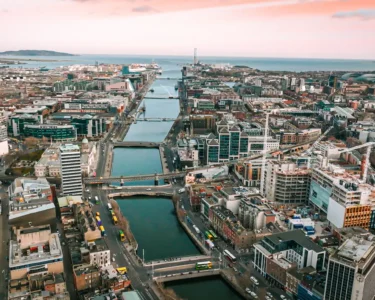
The property market in Ireland has experienced significant evolution in recent years, reaching a critical juncture in 2025. Various factors are currently influencing the landscape, causing notable shifts in property trends in Ireland. Understanding these changes is essential for potential investors, homebuyers, and stakeholders in the real estate sector.
One of the primary drivers of the current trends is the demographic shift in Ireland. An increase in population, particularly in urban areas, has led to heightened demand for housing. Younger generations are flocking to cities for employment and education, fueling competition in the property market. This surge in demand is sustaining rising property values, and thus, understanding the dynamics of these demographic trends is key to navigating the ireland property sector.
Moreover, economic factors are reshaping the property trends in Ireland. With a post-pandemic recovery underway, economic growth is predicted to expand, which enhances consumer confidence and spending power. Employment rates are on an upward trajectory, resulting in an increased ability to invest in property either for personal use or as rental investments. Additionally, government initiatives aimed at stimulating housing supply also play a critical part in maintaining market stability, fostering a healthier balance between supply and demand.
Another noteworthy influence is the evolving preferences of buyers in Ireland. The COVID-19 pandemic has prompted a reassessment of living spaces, with an increasing number of individuals and families prioritizing larger homes with access to outdoor areas. Such preferences are likely to shape future developments and impact the overall property landscape.
In conclusion, the Irish property market in 2025 is characterized by multifaceted influences ranging from demographic shifts to economic recovery. These forces are not only altering the current state but are also setting the stage for the future of ireland property investments and ownership trends.
Impact of Remote Work on Property Preferences
The rise of remote work has significantly transformed property preferences among both renters and buyers in Ireland. With the COVID-19 pandemic accelerating the trend towards flexible working arrangements, many individuals have reevaluated their housing needs, leading to notable shifts in the Ireland property market. One of the most striking changes is the increased demand for larger homes that accommodate designated home office spaces, allowing residents to separate their professional and personal lives effectively.
As employees embrace the option to work from home, the desire for additional square footage has become a top priority. Properties featuring dedicated office areas, spare rooms that can be converted into workspaces, or even outdoor areas for working in a more refreshing environment are gaining popularity. This shift has influenced the design and layout of homes, with builders and sellers increasingly marketing properties that cater to this new demand.
Moreover, the attraction to suburban and rural properties has surged as remote work allows individuals to live farther away from their workplaces. Many are opting to move from bustling urban centers to quieter areas, seeking larger homes with gardens and a better quality of life. This trend has contributed to a growing interest in Ireland property that offers spacious living, access to green spaces, and a sense of community, which is often lacking in urban environments.
Consequently, the dynamics of urban living are also evolving. While city centers previously represented the epitome of convenience and lifestyle, the preference for suburban and rural living suggests a shift towards more balanced life choices. The property trends in Ireland now reflect a stronger inclination for homes that offer not just proximity to amenities, but also the serenity of nature and increased living space. Understanding these evolving preferences can help stakeholders navigate the changing landscape of Ireland trends in real estate.
Sustainability and Eco-Friendly Developments
The landscape of the property market in Ireland is undergoing a significant transformation as sustainability becomes a cornerstone of development practices. The increasing awareness of environmental issues has led to a marked rise in demand for energy-efficient homes. Consumers are now prioritizing properties that minimize energy consumption and reduce carbon footprints, thereby reshaping the ireland property trends. Consequently, developers have begun to adapt by integrating eco-friendly features into their designs.
Government initiatives also play a pivotal role in this shift towards sustainable living. Various incentives are in place to encourage homeowners to invest in energy-efficient upgrades. For instance, grants and tax reliefs aimed at retrofitting homes with better insulation and renewable energy systems are becoming more prevalent. Such measures not only make these upgrades financially feasible but also contribute significantly to the broader goal of reducing greenhouse gas emissions across the nation. This alignment of public policy with eco-conscious goals underscores the importance of sustainability in the current ireland trends.
Moreover, developers are increasingly adopting green building practices, which include using sustainable materials, implementing waste reduction strategies, and enhancing water conservation measures. These practices are not just trends; they are becoming essential components of property development in Ireland. The shift towards sustainable projects reflects a growing recognition of the finite nature of natural resources and the urgency to create long-term, environmentally responsible living spaces.
The emphasis on sustainability is expected to dominate property trends in Ireland as we progress into 2025 and beyond. Buyers are likely to continue seeking homes that reflect their ecological values, encouraging further innovation within the property sector. As the market evolves, those who embrace these sustainable practices will likely stand out and prosper, solidifying the role of eco-friendly developments in shaping the future of ireland property.
The Rise of Technology in Real Estate
As the real estate landscape continues to evolve, technological advancements are significantly reshaping property trends in Ireland. One of the most notable developments is the integration of virtual reality (VR) in property viewings. This technology allows potential buyers to take immersive tours of properties from the comfort of their own homes. By providing a realistic representation of properties, VR not only enhances buyer engagement but also broadens the reach of property listings, allowing agents to connect with a more extensive audience, including overseas investors. This shift is particularly relevant as the Ireland property market seeks to adapt to the changing expectations of modern consumers.
Another critical area where technology is making its mark is in market analysis. AI-driven tools have become indispensable for real estate professionals in interpreting data trends and forecasting property values. These sophisticated systems analyze various factors, including historical data, location specifics, and economic indicators, to provide comprehensive insights into the irish trends impacting property values. As such, real estate agents can make informed decisions, refining their strategies to align with the rapidly evolving Ireland property trends. This capability not only optimizes engagement strategies but also helps in maintaining competitiveness in a fluctuating marketplace.
Furthermore, social media has emerged as a dominant force in property marketing. Real estate professionals in Ireland are increasingly utilizing platforms like Instagram, Facebook, and LinkedIn to showcase listings and engage with potential clients. These platforms allow for targeted advertisements and the sharing of compelling content, such as property showcases and client testimonials. By leveraging these digital tools, real estate agents can enhance their visibility and foster community relations, which are essential in a market that is constantly changing. The rise of technology in real estate demonstrates its pivotal role in reshaping buyer engagement and property management in Ireland, reflecting broader trends in consumer behavior and market dynamics.
Regional Differences in Property Demand
As Ireland navigates the evolving landscape of its property market, significant regional variations are becoming apparent. Urban centers, particularly Dublin, exhibit a robust demand for property driven by economic growth, population inflow, and an increasingly competitive job market. The appeal of city living, characterized by a wide array of amenities and services, continues to attract young professionals and families alike, reinforcing rising property prices and intensified competition for available homes. Notably, Dublin’s vibrant cultural scene and extensive infrastructure, including public transport systems, significantly contribute to its desirability as a residential locale.
Contrarily, rural regions portray a different scenario in terms of property demand. While the allure of peaceful living and space availability appeals to many, these areas often struggle with economic stagnation and lack of job opportunities, which can suppress property prices. Additionally, lifestyle trends influenced by the pandemic have somewhat shifted the perception of rural living, encouraging a segment of the population to consider moving away from urban settings in search of affordability. The emergence of remote work has made this shift more feasible, allowing individuals to prioritize quality of life over proximity to urban job markets.
The contrast between urban and rural property demands highlights the importance of local economies in shaping Ireland property trends. Regions with growing industries tend to experience higher property values and demand. Furthermore, with increasing importance placed on lifestyle choices, the influence of outdoor recreational opportunities, educational institutions, and healthcare accessibility is becoming integral to the property market. As the real estate landscape in Ireland continues to evolve, these regional differences will likely play a critical role in determining the trends that shape buyer behavior in 2025 and beyond.
Challenges Facing the Irish Property Market
The property market in Ireland has been subject to various challenges that have emerged in recent years, impacting buyers, sellers, and investors. One of the most pressing issues is affordability. With property prices soaring, many potential buyers are finding it increasingly difficult to enter the market. The rising cost of living, coupled with stagnant wage growth, has further exacerbated the affordability crisis. As a result, many individuals are delayed in purchasing their first home, which can lead to a more extended period of renting and hinder plans for property investment.
In addition to affordability, supply chain constraints for construction have significantly affected the Ireland property landscape. With the recent global disruptions, the availability of construction materials has become an issue, leading to project delays and increased costs. These supply chain challenges have directly impacted the pace of new housing developments, contributing to the ongoing housing shortage in the country. As demand continues to outstrip supply, the implications for property trends in Ireland become more pronounced, with expectations of continued price increases in the immediate future.
Furthermore, potential tightening of lending criteria poses additional hurdles for prospective homeowners and investors. As banks and financial institutions reassess their risk exposure in a volatile market, stricter lending standards may deter buyers from seeking mortgages. This shift could further slow down transactions within the market, disrupting the traditional buying and selling processes that have defined the Irish property market to date. For sellers, a slower market could mean longer wait times before securing a sale, impacting their plans for moving or reinvesting.
As these challenges unfold, stakeholders in the Ireland property market must navigate these complexities carefully. Strategies will need to adapt, ensuring that both buyers and sellers can find viable paths amidst evolving property trends in Ireland.
Emerging Investment Opportunities
The Irish property market is experiencing significant changes that present exciting investment opportunities for discerning investors. As we move into 2025, several emerging trends are reshaping the landscape of ireland property, making it crucial to identify key areas poised for growth. One such opportunity lies in student housing, driven by the increasing enrollment rates in universities and a growing international student population. Investing in purpose-built student accommodation can yield substantial returns, especially in cities with high concentrations of educational institutions.
Another notable trend is the rise of co-living spaces. These innovative housing arrangements cater to young professionals and millennials seeking affordable yet community-oriented living options. Co-living offers a unique blend of private space and shared amenities, appealing to those valuing social interaction over traditional living arrangements. As urban areas continue to evolve, co-living developments are becoming a viable investment in the ireland property sector, aligning with the preferences of modern tenants.
Additionally, rental properties targeting specific demographic groups are gaining traction in ireland trends. Properties designed for seniors, young families, or professionals seeking short-term leases are in demand. By tailoring investments to suit the needs of these demographics, investors can optimize their portfolios for better occupancy rates and rental yields. However, it is essential to evaluate the potential risks, such as economic fluctuations or changes in rental regulations, that may impact these investment opportunities.
As potential investors navigate these emerging trends in ireland property trends, thorough research and due diligence are vital. Understanding local market dynamics and demographic shifts can significantly enhance investment strategies. By focusing on these areas, investors can capitalize on Ireland’s evolving property landscape and pursue growth in a competitive market.
Government Policies and Their Impact on the Property Market
The property market in Ireland has been significantly shaped by a variety of recent government policies aimed at addressing pressing housing issues. Among these, housing regulations have become a central focus. The government has implemented a range of measures intended to increase housing supply, improve construction processes, and promote sustainable development. Regulations that streamline the planning permission process have sought to accelerate the delivery of new homes, contributing to a gradual shift in property trends in Ireland.
In addition to regulatory measures, the government has also introduced tax incentives specifically designed for first-time buyers. These initiatives often take the form of grants or tax relief schemes, aimed at making housing more accessible to younger generations. Such incentives are crucial for navigating the often challenging landscape of the Ireland property market, particularly as prices continue to rise. By easing the financial burden on first-time buyers, the government is fostering a more favorable environment for entry into home ownership, subsequently influencing Ireland trends linked to buyer behavior and market dynamics.
Furthermore, various initiatives have been launched to tackle the ongoing housing shortage that has plagued many urban areas in Ireland. These initiatives include collaborations with private developers and non-profit organizations to bring additional housing units to the market. By emphasizing affordable housing projects, the government is influencing Ireland property trends in a direction that aims to balance supply and demand effectively. As policies evolve, their impact on the property market will likely continue to resonate, making it imperative for stakeholders to adapt to these shifts. Ultimately, the interaction between government policies and the property market will play a central role in determining the trajectory of housing in Ireland for years to come.
Forecast for the Future of the Property Market in Ireland
The property market in Ireland has long been influenced by various economic factors, and as we venture into 2025, several key trends are expected to shape its future. Experts predict that the ongoing recovery from previous economic downturns, combined with robust population growth, will create a favorable environment for the property market. The demand for housing is projected to increase, particularly in urban centers, where job opportunities are abundant and lifestyle amenities are appealing.
One area anticipated to experience notable growth is the rental market. With an influx of new professionals moving to cities, the demand for rental properties is expected to rise significantly. This demand may lead to increased rental prices, prompting investors to consider strategic acquisitions in growth areas. Additionally, government initiatives aimed at supporting first-time buyers could bolster sales in the residential sector, further contributing to positive trends in Ireland’s property market.
Technological advancements are also expected to play a role in the evolution of property trends in Ireland. The growing importance of online platforms for property listings and virtual viewings will likely enhance accessibility for potential buyers and renters. This shift may facilitate faster transactions and allow for a more transparent market environment overall.
However, challenges may arise in the form of rising construction costs and potential regulatory changes that could impact property development. Current trends also indicate an increased focus on sustainability and energy efficiency in new builds, which may influence buyer preferences and investment decisions moving forward.
In conclusion, while the future of the Ireland property market presents both opportunities and challenges, keeping a close eye on these evolving trends will be crucial for investors, homeowners, and industry professionals alike. As the landscape continues to change, adaptability will remain key to navigating the dynamic property trends in Ireland successfully.