

 By
By On February 2, 2026, a quiet but powerful moment took place at the heart of the Catholic Church. Pope Leo XIV met Irish abuse survivor David Ryan in a private audience and offered a personal apology for the harm he suffered as a child. The apology also covered David’s late brother Mark Ryan and their friend Aidan Moore. All three were abused while attending Blackrock College and its preparatory school, Willow Park, in Dublin.
For David Ryan, the meeting marked a moment he never thought would come. He described it as emotional, overwhelming, and unforgettable. For decades, he carried the weight of abuse in silence, shame, and confusion. Speaking directly to the pope helped lift part of that burden.
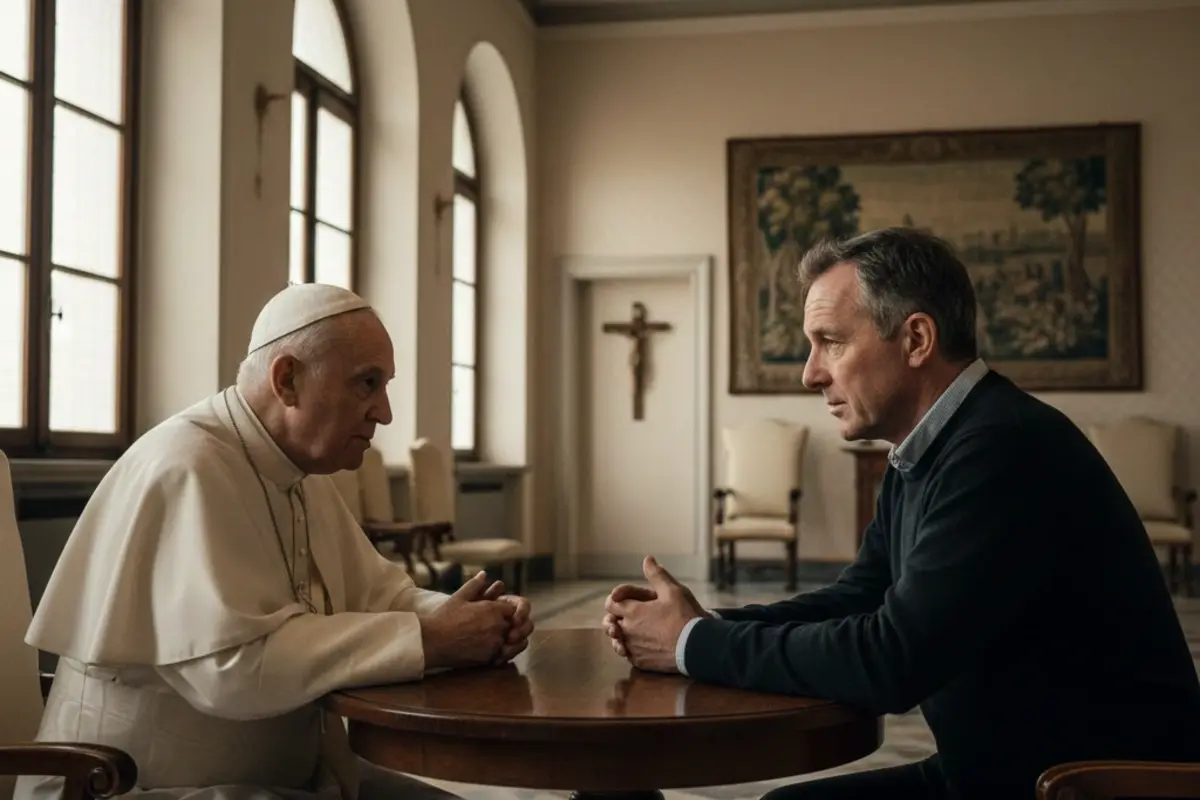
This meeting was historic. David Ryan became the first Irish abuse survivor to meet Pope Leo XIV. The apology was not delivered through a statement or letter. It was spoken face to face. For many survivors in Ireland, this moment carried deep meaning. It showed acknowledgment at the highest level of the Church.
This article explains what happened, why it matters, and how it fits into Ireland’s long struggle for justice and truth.
The Abuse at Blackrock College and Willow Park
Blackrock College is one of Ireland’s most well-known private schools. It is located in Dublin and was run by the Spiritan order. Willow Park served as its preparatory school. For years, both institutions were trusted by parents and respected by society.
Behind this trust, serious abuse took place. Children were harmed by adults who held power over them. David Ryan, his brother Mark, and their friend Aidan Moore were among those victims. The abuse happened during their childhood, a time when children depend on adults for safety and care.
David also revealed abuse at another school, St Declan’s, which was run by the Jesuit order. This showed that the problem was not limited to one place or one group. It reflected a wider failure within religious institutions to protect children.
For decades, these stories remained hidden. Fear, shame, and silence kept many survivors from speaking out. Some did not understand what had happened to them until many years later. Others feared they would not be believed.
Realising the Abuse Was Not His Fault
One of the most powerful moments shared by David Ryan was his realisation about blame. He told the pope that it took him 40 years to understand one simple truth. The abuse was not his fault. It was the fault of those who harmed him.
This belief is common among survivors. Many children blame themselves for abuse. They grow up thinking they did something wrong. This false belief can damage mental health, relationships, and self-worth.
David’s words reflect the long emotional journey survivors face. Abuse does not end when the act stops. Its effects can last a lifetime. Guilt, fear, anger, and sadness often follow survivors into adulthood.
By saying this directly to the pope, David spoke for many others. His words gave voice to survivors who still struggle with blame and silence.
The Private Meeting With Pope Leo XIV
The meeting took place in a private setting. David Ryan was nervous beforehand. He described feeling intense fear before entering the room. Once the conversation began, that fear faded.
He spoke openly about his life, his family, and the harm caused by abuse. He told the pope about his brother Mark, who died suddenly in September 2023 at the age of 62. David brought a photograph of Mark with him to the meeting. It was a way to ensure his brother’s story was present too.
The pope listened closely. He had already learned about the abuse through a radio documentary titled Blackrock Boys. He had listened to it and read its transcript before the meeting. This preparation showed respect for the survivor’s experience.
David said he felt genuine sympathy and empathy from the pope. He felt that the apology was sincere. The pope expressed sorrow for David’s pain, his family’s pain, and the suffering of survivors who have not yet come forward.
Questions Put to the Pope
David Ryan did not come to the meeting only to receive an apology. He also came with questions. He had prepared six questions for the pope. These questions focused on how the Church handled abuse for so long.
David did not share all of the questions publicly. He said they were difficult questions. They addressed how abuse was hidden and ignored for decades.
During the meeting, David asked one direct question. He asked why priests are still abusing people and why others continue to cover it up. This question cut to the heart of the crisis.
The fact that this question was asked directly to the pope matters. Survivors often feel ignored by powerful institutions. Asking such a question face to face was an act of courage.
The Impact of the Blackrock Boys Documentary
The radio documentary Blackrock Boys played a major role in this story. It aired in November 2022. It told the story of abuse suffered by David and Mark Ryan at Blackrock College and Willow Park.
After it aired, many other men came forward. They shared similar experiences from the same schools. Soon, allegations spread beyond Blackrock. Hundreds of men from other schools across Ireland spoke out.
Many of these schools were also run by religious orders. The documentary opened a floodgate. It showed survivors they were not alone. It showed the public the scale of the problem.
The pope’s decision to listen to this documentary before meeting David shows its importance. It helped bring survivor voices directly to Church leadership.
Remembering Mark Ryan
Mark Ryan played a key role in this journey. He and David shared their experiences and supported each other. After the documentary aired, David suggested sending it to the pope. Mark initially reacted with disbelief. He did not think it would matter.
The idea was set aside. Then, in September 2023, Mark died suddenly. His death deeply affected David. It also strengthened his resolve.
In 2024, David sent the documentary to Pope Francis. A meeting was being planned when Pope Francis became ill and later died. The opportunity seemed lost.
After Pope Leo XIV was elected in May, David reached out again. This time, the meeting happened. David believes Mark would have been proud. Bringing Mark’s photo to the meeting ensured his presence was felt.
Support From Advocacy Groups
Deirdre Kenny from the support group One in Four attended part of the meeting. She joined for about ten minutes. Her presence highlighted the role support groups play for survivors.
Organizations like One in Four help survivors speak out, seek help, and feel less alone. They offer counseling, advocacy, and education. They also push institutions to take responsibility.
The meeting showed cooperation between survivors, support groups, and Church leadership. While one meeting cannot fix decades of harm, it can open doors.
Symbolic Gestures During the Meeting
During the meeting, both David Ryan and Deirdre Kenny were given rosary beads blessed by the pope. These gestures were symbolic. They carried religious meaning and personal significance.
As it was St Brigid’s weekend, David gave the pope a St Brigid’s cross lapel pin. St Brigid is a strong symbol in Irish culture. The exchange reflected respect and shared tradition.
Symbols matter in moments like this. They do not replace justice or action. But they can mark acknowledgment and remembrance.
Meetings After the Papal Audience
After meeting the pope, David Ryan met the Irish Ambassador to the Holy See for an informal conversation. He was also scheduled to meet Ireland’s new Minister for Education and Youth.
These meetings suggest broader attention to the issue. Abuse in schools is not only a Church matter. It is a state issue. Education systems failed to protect children.
Survivors have long called for accountability from both Church and government. Public attention and political engagement are part of that process.
Why This Apology Matters
Apologies alone do not erase harm. Survivors know this well. Still, apologies matter. Especially when they come directly from those in power.
This apology was personal. It was private. It was informed. These elements make it different from past statements. David felt heard. That matters.
For many survivors, acknowledgment is a key step in healing. Being believed can reduce shame. It can validate years of pain.
The apology also sends a message to others. It signals that survivor voices can reach the highest levels. It may encourage others to speak out.
The Broader Irish Abuse Crisis
Ireland has faced repeated revelations of abuse within religious institutions. Schools, orphanages, and care homes have all been linked to abuse. Investigations and reports have shown patterns of neglect and cover-ups.
Many survivors waited decades for recognition. Some never received it. Others died before seeing any apology or justice.
This meeting does not erase that history. But it adds to a growing record of acknowledgment. It places survivor experience at the center.
What Survivors Still Want
Survivors often say they want more than words. They want accountability. They want records opened. They want offenders removed and reported. They want support services funded.
They also want education systems to change. Safeguards must be strong. Children must be believed. Complaints must be acted upon quickly.
David Ryan’s question to the pope reflects this need. Why does abuse still happen. Why is it still hidden. These questions remain unanswered.
A Moment That Will Not Be Forgotten
David Ryan described the meeting as something he would never forget. That feeling matters. It shows the emotional weight of being heard after years of silence.
For him, the meeting was about his brother, his family, and other survivors. It was about truth and acknowledgment. It was not about closure. Healing is ongoing.
This moment will stay in Ireland’s memory. It adds another chapter to a painful history. It also offers a small sign of change.