

 By
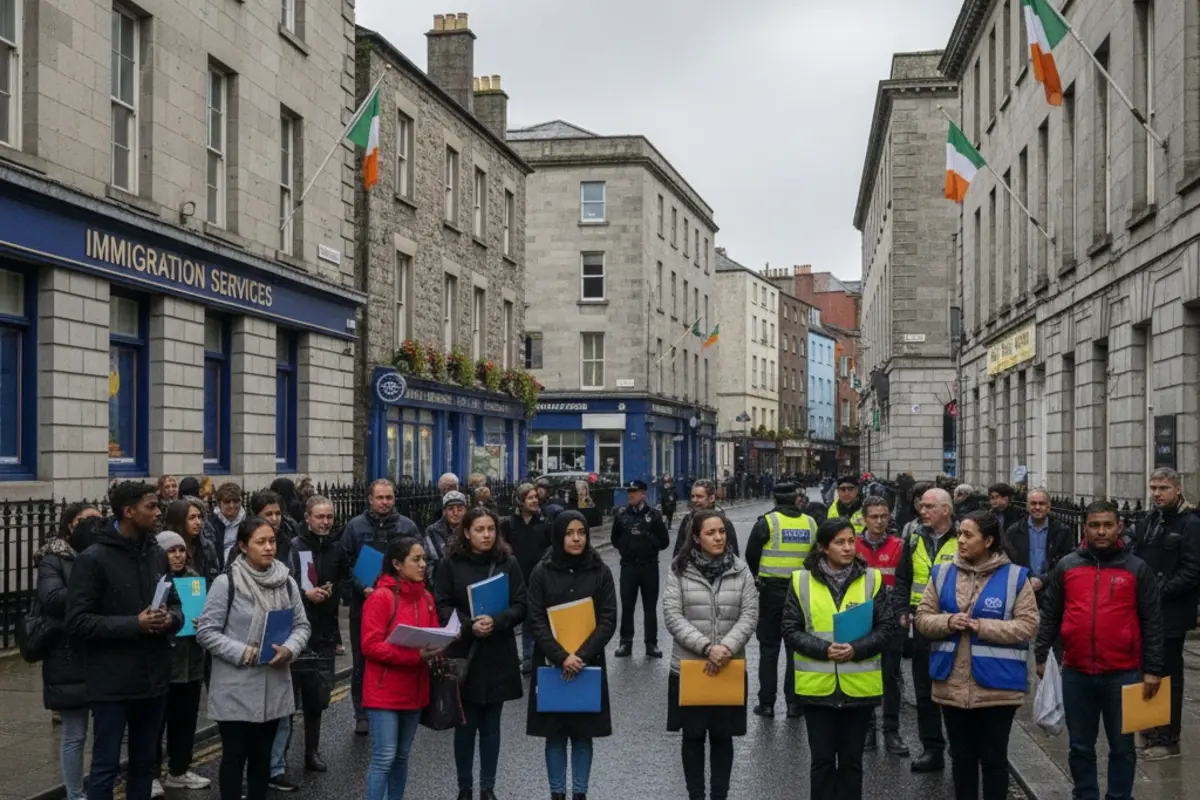
By Ireland is seeing a major change in migration patterns. In recent months, the number of people seeking asylum has dropped sharply. This shift follows a series of new immigration policies introduced by the Irish government. These rules focus on housing access, deportation enforcement, and tighter controls on family reunification and citizenship.
The changes come after years of rising asylum numbers. Local services were under strain. Housing shortages worsened. Public concern grew louder. The government responded with firm action. Supporters say the move restores balance. Critics warn it risks harming vulnerable people. This debate now sits at the center of Irish politics and society.
A Sudden Decline in Asylum Applications
Official figures show a clear fall in new asylum applications. Reception centers report fewer arrivals each week. Border checks are stricter. Processing times have changed. The system now sends a strong signal.
Government officials say the drop proves the policies are working. They argue that past rules were too loose. Ireland became a target for irregular migration. Limited housing made the situation worse. The new approach aims to slow inflows to manageable levels.
For many communities, the change feels immediate. Fewer emergency shelters are opening. Local councils report lower pressure. Still, long-term effects remain unclear.
Why the Government Changed Course
Ireland faced rising pressure on housing and public services. Emergency accommodation costs surged. Hotels were converted into shelters. Local residents protested. Trust in the system weakened.
Ministers said the country reached a breaking point. They argued that fairness required limits. Resources could not meet demand. The government stressed that asylum systems must work for everyone.
This reasoning shaped the new rules. The focus shifted from openness to control. Officials framed the changes as necessary, not harsh.
Stricter Housing Rules for Asylum Seekers
One major change involves housing support. New asylum seekers now face tighter limits on state accommodation. Some must contribute fees. Others face shorter stays in public housing.
The government says housing support should not act as a pull factor. Officials argue that free access encouraged arrivals during a housing crisis. The new fees aim to reduce strain and promote fairness.
Aid groups argue the policy hits the poorest hardest. Many asylum seekers arrive with nothing. Fees, even small ones, can cause hardship. The debate remains heated.
Increased Focus on Deportations
Another major shift involves deportation enforcement. The government has increased removals of people whose claims failed. Deportation orders are being processed faster.
Ministers say this restores credibility to the system. They argue that rules mean nothing without enforcement. Faster removals send a clear message.
Critics worry about fairness and safety. They argue that rushed deportations risk sending people back to danger. Legal groups call for strong safeguards and careful review.
Limits on Family Reunification
Family reunification rules have also tightened. Asylum seekers face longer waiting periods. Income requirements are stricter. Approval rates have dropped.
The government says these limits reduce future strain. Larger families require more housing and services. Officials argue the system must remain sustainable.
For migrants, the impact is personal. Families remain separated. Children grow up apart from parents. Emotional stress adds to already difficult lives.
Tougher Citizenship Pathways
Citizenship rules are also under review. Residency requirements are stricter. Background checks take longer. Approval standards are higher.
The government says citizenship must reflect commitment. Officials argue that longer waiting periods help integration. They believe this protects social cohesion.
Migrant groups argue the changes delay stability. Citizenship offers security and belonging. Delays can affect work, travel, and mental health.
Public Opinion and Political Pressure
Public opinion in Ireland is divided. Some welcome the tougher stance. They say the system was overwhelmed. Others feel uneasy. They fear Ireland is losing its tradition of welcome.
Protests have occurred on both sides. Local residents demand housing relief. Activists demand compassion. Politicians face pressure from all directions.
This issue is shaping future elections. Immigration now ranks high among voter concerns. Parties are adjusting their positions.
Human Rights Concerns Raised
Human rights groups have raised alarms. They warn that speed and limits may harm vulnerable people. They stress that asylum seekers flee war, hunger, and danger.
Groups argue that deterrence policies risk injustice. They call for careful case reviews. They demand access to legal support.
The government says protections remain in place. Officials insist Ireland still meets international obligations. The disagreement continues.
Economic Impact of the Policy Shift
The drop in asylum seekers affects the economy. Short-term costs may fall. Emergency housing expenses may drop. Local services may feel relief.
Long-term effects are less clear. Migrants often fill labor gaps. They support sectors like care, farming, and services. Fewer arrivals could deepen worker shortages.
Economists say balance matters. Control must meet economic needs. Policy choices today shape future growth.
Impact on Local Communities
Communities across Ireland felt the strain of high arrivals. Some towns hosted large numbers of asylum seekers. Tensions rose.
With fewer new arrivals, pressure eases. Schools and clinics report less crowding. Councils regain planning space.
Yet community healing takes time. Trust was damaged. Clear communication remains key.
Ireland’s Position in Europe
Ireland’s move reflects a wider European trend. Many countries have tightened asylum rules. Border controls increased. Deportations rose.
European governments face similar pressures. Housing shortages are common. Public patience is thin.
Ireland’s policies now align more closely with neighbors. This shift changes its image within Europe.
Asylum Seekers Already in the System
Thousands of asylum seekers remain in Ireland. Many wait months or years for decisions. New rules do not remove existing cases.
Support services continue. Education and health access remains. Still, uncertainty affects daily life.
Many fear future rule changes. Stability remains fragile.
Legal Challenges and Court Reviews
Some policies face legal tests. Advocacy groups have filed challenges. Courts will review fairness and compliance.
Legal rulings may shape future policy. Past decisions show courts play a key role. This process will take time.
Until then, policies remain active.
Media Coverage and Public Debate
Media coverage has intensified. Stories highlight both system strain and migrant hardship. Opinion pieces clash.
This debate shapes public mood. Headlines influence perception. Balance matters.
Clear facts help reduce fear and misinformation.
Government Response to Criticism
Ministers defend the changes firmly. They say difficult choices were unavoidable. They stress fairness for taxpayers and migrants alike.
Officials promise review and adjustment. They say policies will evolve with need. Oversight remains in place.
Whether trust rebuilds depends on outcomes.
What Happens Next
Future asylum numbers will guide policy. If arrivals stay low, pressure may ease. If conflicts abroad worsen, flows may rise again.
Ireland must remain flexible. Systems must adapt. Planning matters more than reaction.
The issue will remain central in 2025.
Key Facts About Ireland’s New Asylum Policies
| Area | Current Situation |
|---|---|
| Asylum applications | Sharp decline |
| Housing support | Stricter access and fees |
| Deportations | Increased enforcement |
| Family reunification | Tighter rules |
| Citizenship | Longer and stricter process |
| Public reaction | Mixed and divided |
A Defining Moment for Ireland
Ireland stands at a crossroads. Migration shaped its history. Now it reshapes its future.
The new asylum policies reflect pressure, fear, and limits. They also reflect a search for balance.
How Ireland treats the most vulnerable will define its values. How it manages resources will define its stability.
The story is still unfolding.