

 By
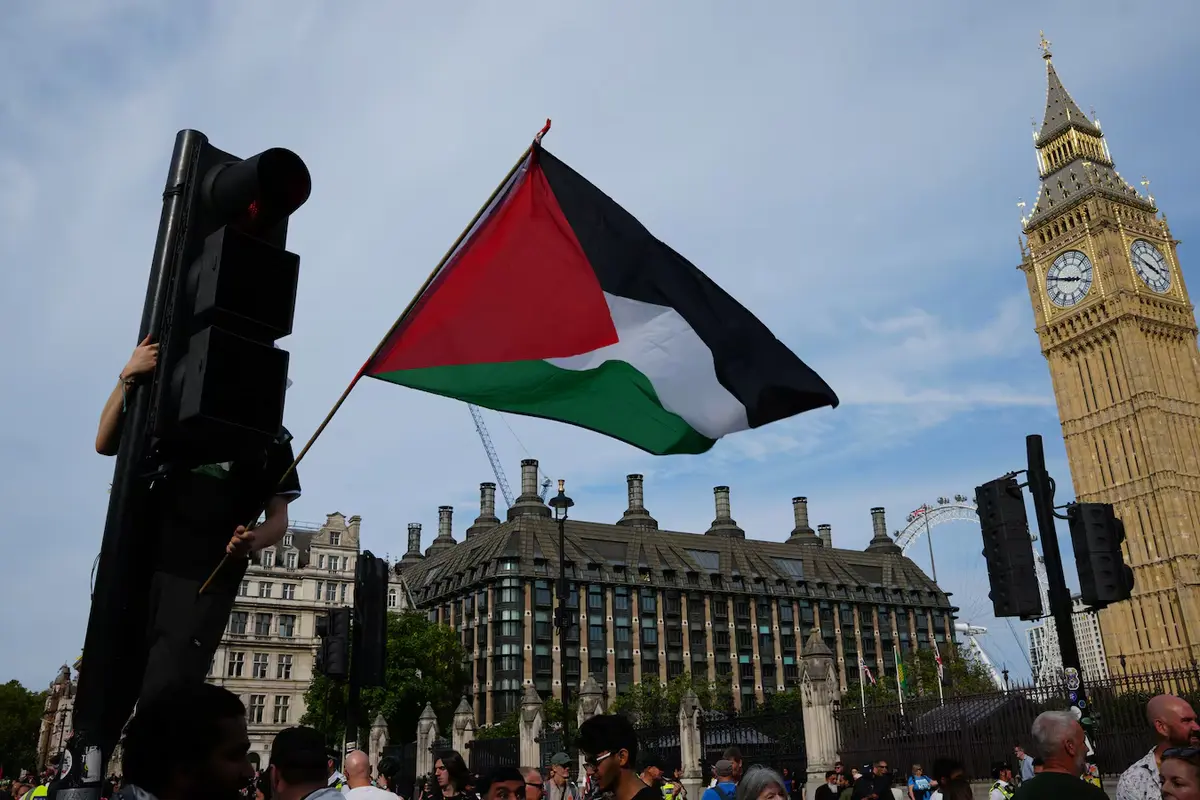
By In recent weeks, an opinion by Patricia MacBride has sparked debate across the UK and Ireland. The focus has been on claims that Palestinian flags in public spaces are causing division. This argument has gained traction in political talk and media discussions.
But the core message is simple. Flags are not the real problem. The real issue lies deeper, within political systems that refuse to face public anger and dissent.
This article explains the issue in clear terms. It explores why symbols like flags become targets, what they truly represent, and why blaming them avoids serious political responsibility.
What Is the Core Argument?
Patricia MacBride argues that blaming Palestinian flags for division is a distraction. Flags are easy to see. They are easy to blame. But they do not create division on their own.
People raise flags to express views, anger, grief, or solidarity. These actions happen when people feel ignored or unheard. Removing the symbol does not remove the feeling.
The real danger, according to this view, is a political system that avoids honest engagement with public concerns.
Why Palestinian Flags Became a Focus
Palestinian flags have appeared across protests, streets, and public buildings. Many people see them as a sign of solidarity with civilians affected by war.
Others view them as political or confrontational. This clash of views turns the flag into a flashpoint.
But focusing only on the flag simplifies the issue. It ignores the reasons people feel driven to protest in the first place.
What Flags Really Represent
Flags are not random objects. They carry meaning. That meaning depends on who is holding the flag and why.
For some, the Palestinian flag represents:
- Support for human rights
- Anger at civilian suffering
- Protest against global injustice
For others, national flags represent:
- Identity
- Tradition
- Belonging
Conflict starts when symbols are treated as causes instead of expressions.
Flags do not create anger. They reveal it.
Why Symbol Blaming Is Dangerous
Blaming symbols can feel safe. It avoids hard questions. But it also creates problems.
It Shifts Attention Away From Real Issues
Political leaders can point to flags instead of addressing:
- Housing shortages
- Rising living costs
- Foreign policy decisions
- Lack of public trust
Talking about cloth on lampposts is easier than fixing broken systems.
It Turns Debate Into Culture Conflict
Once symbols become enemies, discussion stops. People choose sides. Dialogue breaks down.
This deepens division instead of healing it.
It Repeats Old Mistakes
History shows that symbols often become targets during unrest. But removing symbols never solves conflict. Addressing injustice does.
Lessons From Northern Ireland
Northern Ireland has a long history of symbolic conflict. Flags, murals, and colors marked identity and territory.
But the root causes were political inequality, exclusion, and governance failures.
Peace came not from removing symbols, but from changing political structures.
This history offers a clear lesson. Real peace comes from engagement, not suppression.
The Role of Political Systems
A major point in this debate is political avoidance.
When people feel ignored, they express frustration publicly. If institutions refuse to listen, anger grows.
Political systems fail when they:
- Avoid dissent
- Silence protest
- Reduce debate to symbols
Healthy systems engage with criticism. Weak ones fear it.
Media and Public Perception
Media coverage often focuses on visuals. Flags make strong images. They attract attention.
But this focus can mislead public understanding. Viewers see the symbol, not the cause.
This creates shallow debate and deep confusion.
Identity Politics and Public Space
Public space reflects society. Who belongs there matters.
When certain symbols are allowed and others are questioned, people notice. This creates feelings of exclusion.
Fairness matters more than uniformity.
Unity does not mean everyone looks the same. It means everyone feels included.
What People Should Ask Instead
Instead of asking why a flag is there, better questions include:
- Why are people angry?
- What policies caused this frustration?
- Who feels unheard?
- What solutions are being avoided?
These questions lead to progress. Symbol fights do not.
How Division Can Be Reduced
Division reduces when people feel respected and heard.
Steps that help:
- Honest political debate
- Fair treatment of expression
- Addressing inequality directly
- Listening without fear
- Unity grows from justice, not silence.