 By
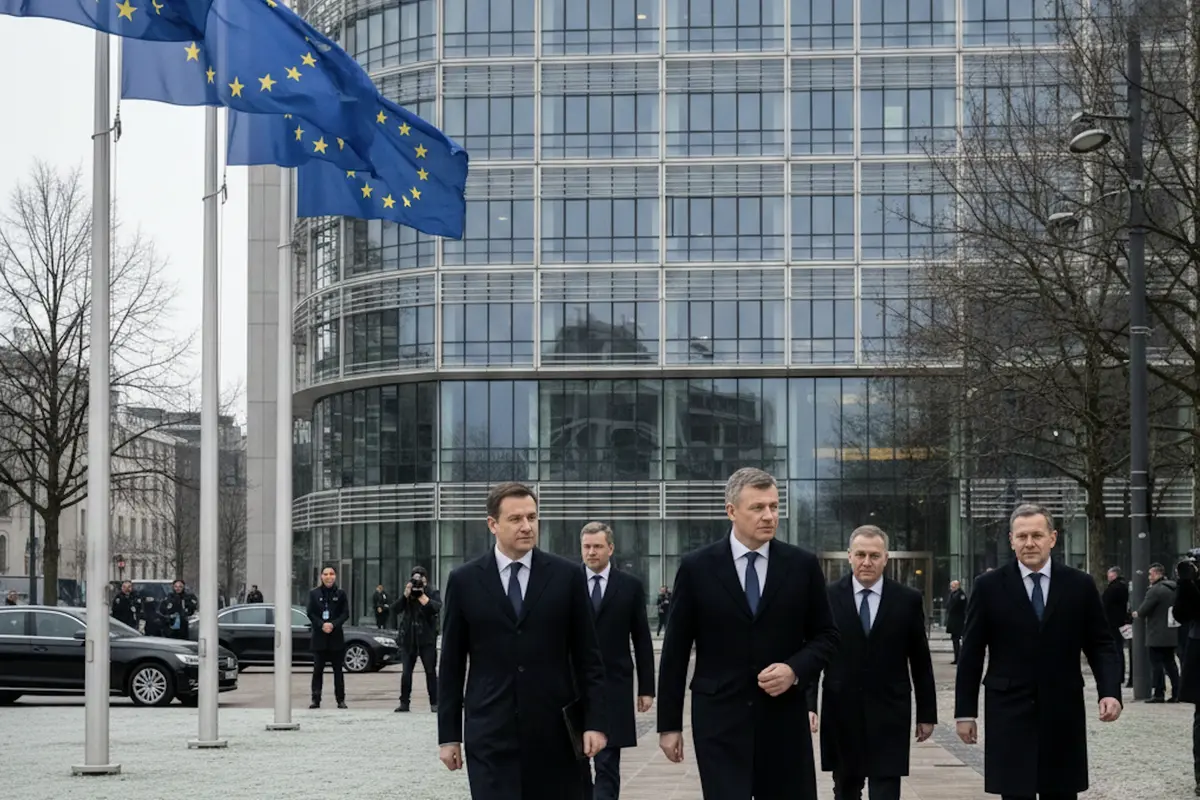
By Taoiseach Micheál Martin is set to attend a major meeting of European Union leaders in Brussels at a time of growing global tension. The European Council gathering will focus on some of the most serious political and humanitarian challenges facing Europe and its neighbours. Issues such as Russia’s war in Ukraine, the humanitarian crisis in Gaza, EU enlargement, security threats, migration, and the future EU budget are expected to dominate discussions. The meeting comes as EU leaders look to reinforce unity and send a clear message on peace, security, and shared values.
Ireland’s participation in the summit reflects its active role within the European Union. As Taoiseach, Micheál Martin will represent Ireland’s position on international law, humanitarian aid, and European cooperation. The meeting is seen as a key moment for shaping the EU’s response to ongoing conflicts and emerging security risks, while also addressing long-term policy goals related to trade, defence, and economic stability.
Purpose of the European Council Meeting
The European Council brings together the heads of government of all EU member states to set the overall political direction of the union. While it does not pass legislation, its conclusions guide EU policy and influence future decisions by the European Commission and European Parliament. This particular meeting is taking place during a period marked by war, humanitarian suffering, and rising security concerns across Europe.
EU leaders will use the summit to review current conflicts and agree on shared responses. The discussions are expected to focus on maintaining EU unity while protecting democratic values and regional stability. For smaller member states like Ireland, the European Council provides an important platform to influence decisions that affect the entire continent.
Ireland’s Role and Priorities at the Summit
Micheál Martin has outlined Ireland’s priorities ahead of the Brussels meeting, making it clear that peace, humanitarian support, and international law will be central to his contributions. Ireland has long positioned itself as a strong supporter of multilateral cooperation and diplomacy, and the Taoiseach plans to reflect these values during talks with fellow EU leaders.
In addition to foreign policy concerns, Ireland will also raise economic and social issues that affect its citizens. Trade, agriculture, fisheries, and innovation funding are key areas of interest for the Irish government. The Taoiseach is expected to argue for balanced EU policies that protect smaller economies while supporting collective growth and stability across the union.
Ukraine and the Ongoing War with Russia
Russia’s invasion of Ukraine remains one of the most pressing issues on the European agenda. EU leaders will review the current situation on the ground, including military developments and humanitarian needs. Continued financial and political support for Ukraine is expected to be reaffirmed, with discussions focusing on how best to sustain this support over the long term.
Micheál Martin has strongly backed Ukraine since the start of the conflict and plans to restate Ireland’s position at the meeting. He believes that Europe must remain united in opposing aggression and defending sovereignty. The war has reshaped European security thinking and reinforced the importance of cooperation among EU member states.
Using Frozen Russian Assets to Support Ukraine
One of the most sensitive topics at the summit will be the proposal to use frozen Russian state assets to support Ukraine. Billions of euros in Russian funds remain frozen across EU countries following sanctions imposed after the invasion. EU leaders have been debating whether these assets can be legally redirected to help fund Ukraine’s recovery and defence efforts.
The Taoiseach has publicly stated his support for this approach, arguing that it would be a fair response to the damage caused by the war. He hopes that EU leaders can reach agreement on a clear and lawful framework for using these funds. Any decision will require careful legal review, as the EU seeks to avoid setting a precedent that could create future risks.
Ukraine’s Application for EU Membership
Ukraine’s bid to join the European Union will also feature prominently in discussions. While EU membership is usually a long process, the war has added urgency to Ukraine’s application. Many EU leaders see enlargement as a strategic move that would strengthen Europe’s security and political influence.
Micheál Martin has said that accelerating Ukraine’s EU path would provide long-term stability and reassurance for the country. He believes that offering a clear membership perspective sends a strong signal of support and commitment. EU enlargement, he argues, also counters attempts by hostile actors to weaken European unity.
Wider EU Enlargement and Regional Stability
Beyond Ukraine, the European Council will also review the progress of Western Balkan countries seeking EU membership. Enlargement is viewed by many leaders as a tool for promoting peace, democracy, and economic development in neighbouring regions. Delays in the process have raised concerns about growing influence from outside powers.
Ireland supports a credible enlargement process that rewards reform and commitment to EU values. The Taoiseach is expected to stress that the EU must match the efforts of candidate countries with political will. Enlargement, he believes, strengthens Europe as a whole and reduces the risk of instability on its borders.
Security Threats and Ireland’s Vulnerability
Recent events have highlighted that Ireland is not immune to modern security threats. Sightings of drones near Dublin during President Volodymyr Zelensky’s visit raised serious concerns about surveillance and interference. These incidents have prompted calls for closer cooperation between Ireland and its EU partners on security and intelligence sharing.
Micheál Martin has acknowledged that threats such as cyber attacks, disinformation, and hostile surveillance are growing across Europe. He plans to stress the need for coordinated EU action to address these risks. The summit will likely explore ways to strengthen collective defence while respecting national policies.
Humanitarian Crisis in Gaza
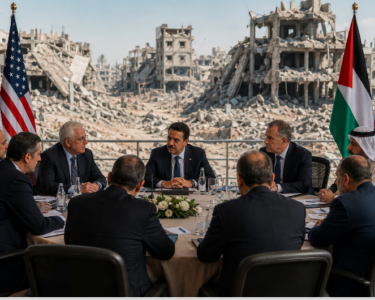
The humanitarian situation in Gaza is another major issue the Taoiseach plans to raise. Despite a ceasefire, aid delivery has not reached the levels required to meet basic needs. Millions of people continue to face shortages of food, clean water, and medical supplies, with winter conditions making the situation worse.
Ireland has consistently called for increased humanitarian access and protection for civilians. Micheál Martin will urge the EU to do more to ensure that aid reaches those in need. He believes that Europe has a moral responsibility to respond decisively to the crisis.
Support for a Two-State Solution
Ireland remains a strong supporter of a two-state solution as the path to lasting peace in the Middle East. This position aligns with official EU policy and international law. The Taoiseach plans to emphasise that long-term stability can only be achieved through dialogue and mutual recognition.
At the summit, EU leaders may discuss their role in supporting future peace efforts. Ireland supports EU involvement in diplomatic initiatives and reconstruction planning. Micheál Martin believes that human rights and international law must guide all actions in the region.
Combatting Antisemitism Across Europe
The European Council will also address rising concerns about antisemitism. Recent violent attacks against Jewish communities have shocked the international community and prompted calls for stronger action. EU leaders are expected to discuss measures to tackle hate crimes and extremist ideology.
Micheál Martin has made clear that antisemitism has no place in European society. He welcomes efforts to strengthen education, law enforcement, and online regulation to combat hatred. Protecting minority communities, he says, is a core responsibility of democratic governments.
Migration and EU Border Challenges
Migration continues to be a complex and divisive issue within the EU. Leaders will review pressure on borders, asylum systems, and shared responsibilities among member states. The challenge lies in balancing security concerns with humanitarian obligations.
Ireland supports a fair and coordinated approach to migration management. The Taoiseach believes that solidarity among member states is essential for effective solutions. Discussions at the summit may influence future EU agreements on migration and asylum reform.
EU Budget Plans for 2028–2034
The meeting will also touch on early discussions around the EU’s next long-term budget, covering the period from 2028 to 2034. This budget will shape funding priorities for years to come, including agriculture, fisheries, defence, and innovation.
Ireland has called for a fully funded Common Agricultural Policy and Common Fisheries Policy. Micheál Martin argues that rural communities and coastal regions depend on stable EU support. He is expected to push for ring-fenced funding to protect these sectors.
Trade, Investment, and Competitiveness
Trade and competitiveness remain vital issues for the EU, especially as global economic pressures increase. Ireland supports open trade and strong investment in research and development. As a small, export-driven economy, Ireland relies on stable global markets.
The Taoiseach is expected to argue for policies that support growth without undermining social protections. He believes that economic strength and social stability must go hand in hand. The summit may shape future EU strategies in this area.
Domestic Political Context in Ireland
The Brussels meeting follows a challenging period in Irish domestic politics. Micheál Martin recently defended his handling of issues surrounding his party’s presidential campaign. He addressed public concerns through media interviews and an internal party review.
Despite these challenges, the Taoiseach continues to focus on Ireland’s role at the European level. The summit offers an opportunity to shift attention back to international leadership and cooperation.
Engagement with President Volodymyr Zelensky
Ukrainian President Volodymyr Zelensky is expected to address EU leaders during the meeting. He recently visited Ireland and met with Micheál Martin in Dublin. Their discussions focused on continued support and shared values.
The Taoiseach has said he looks forward to hearing Zelensky’s message. Ukraine’s position remains central to EU decision-making. The address is expected to reinforce calls for unity and long-term commitment.
Why This EU Meeting Is So Important
This European Council meeting comes at a critical moment for Europe. Decisions made in Brussels will influence the EU’s response to war, humanitarian crises, and internal challenges. Unity among member states is being tested on several fronts.
Ireland’s contribution reflects its commitment to peace, cooperation, and international law. Micheál Martin’s positions highlight the importance of moral leadership alongside practical action. The outcomes of this meeting will shape Europe’s direction for years to come.