 By
By Introduction
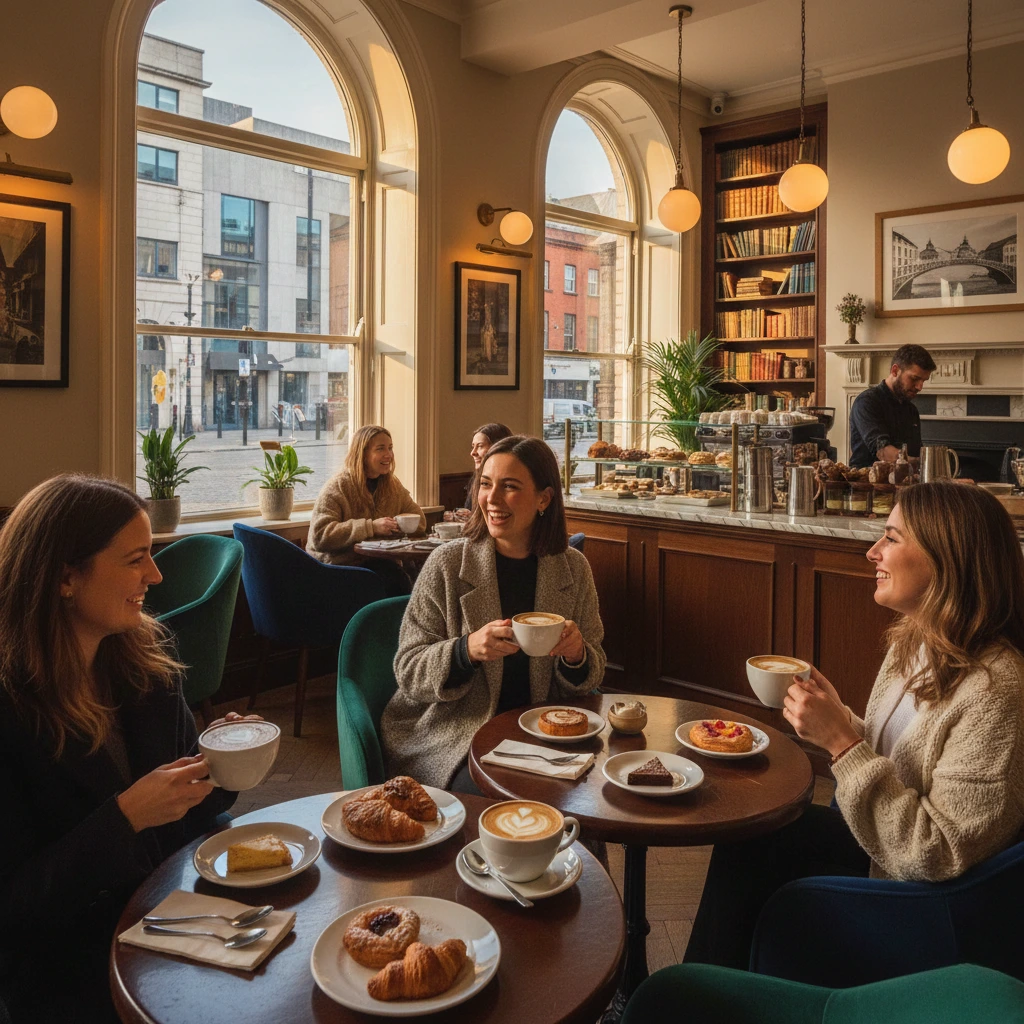
Dublin’s cafe culture has evolved into something extraordinary – and extraordinarily expensive. While a simple coffee can cost upwards of €6 and breakfast might set you back €25, these establishments continue to draw crowds willing to pay premium prices for what many consider essential daily rituals.
I’ll admit it – I’m one of those people who winces at the receipt but keeps coming back. Last week, I paid €7.50 for a flat white and €18 for avocado toast at a trendy spot in Temple Bar. My wallet cried, but honestly? It was probably the best coffee I’ve had all month.
The question isn’t whether Dublin’s cafes are expensive – they absolutely are. The real question is why we keep paying these prices, and whether there’s actually something behind the cost that justifies emptying our bank accounts for our daily caffeine fix.
Walking through Dublin’s streets, you’ll notice something interesting. The most expensive cafes often have the longest queues. The €3 coffee from the chain down the street sits ignored while people line up for the €6.50 specialty brew. There’s clearly more going on here than simple coffee making.
The Real Cost Behind Dublin’s Premium Coffee Culture
Import Economics and Supply Chain Reality
The truth about Dublin’s coffee prices starts thousands of miles away, in the mountains of Ethiopia, the valleys of Colombia, and the volcanic soils of Guatemala. Getting those perfect beans to your cup in Dublin involves a complex web of costs that most of us never think about.
How Dublin’s location affects coffee bean sourcing costs
Dublin sits on the edge of Europe, which means everything has to travel further to reach our shores. While cities like Amsterdam or Hamburg benefit from being major European shipping hubs, Dublin operates more like an island outpost – which, geographically speaking, it is.
I spoke with Sarah, who runs a small roastery in Rathmines, and she painted a clear picture of the challenges. “Every bag of green coffee that comes through our door has traveled at least 8,000 kilometers,” she told me. “By the time it gets here, it’s passed through multiple hands, crossed several borders, and sat in shipping containers for weeks.”
The numbers are sobering. A kilogram of specialty-grade coffee beans might cost €4-6 at origin in Central America. By the time those same beans reach Dublin, they’re closer to €12-15 per kilogram. That’s before any local processing, roasting, or the actual work of turning them into the drink you’re holding.
Consider the journey: beans are harvested, processed, and dried at origin. They’re then shipped to a European port – often Rotterdam or Hamburg. From there, they need to be transported again to Dublin, either by truck and ferry or by smaller cargo ships. Each step adds cost, time, and complexity.
The impact of Brexit and EU trade regulations on specialty imports
Brexit threw a wrench into an already complicated system. While Ireland remains in the EU, many of Dublin’s specialty coffee importers previously relied on UK-based suppliers who had established relationships with farms and cooperatives worldwide.
The administrative burden alone has pushed costs up. What used to be straightforward paperwork between EU countries now involves customs declarations, potential delays, and additional inspections. One cafe owner in Grafton Street mentioned that their regular shipment from a London-based importer now takes an extra week and costs 15% more due to Brexit-related complications.
But there’s a silver lining to this disruption. Many Dublin roasters have started building direct relationships with European importers, particularly in the Netherlands and Germany. These relationships often focus on higher quality, more traceable coffee – which costs more but delivers a noticeably better cup.
Direct trade relationships are driving up quality
Here’s where things get interesting, and where the high prices start to make sense. The best Dublin cafes aren’t just buying coffee; they’re investing in relationships with specific farms, often visiting them personally and paying well above market rates for exceptional quality.
Take 3fe, one of Dublin’s most respected roasters. They’ve built relationships with individual farms in places like Kenya and Colombia, paying prices that can be three to four times higher than commodity coffee rates. When you buy a bag of their beans, you’re not just paying for coffee – you’re supporting a specific farmer whose name is often printed on the package.
This direct trade approach means cafes can tell you exactly where your coffee came from, how it was processed, and often even which part of the farm it grew on. The Kenyan coffee at your local premium cafe might come from a specific washing station that processes beans from just twenty families. That level of traceability and quality comes with a price tag.
These relationships also mean consistency. Instead of buying whatever’s available on the commodity market, cafes can secure the same high-quality lots year after year. It’s similar to how high-end restaurants build relationships with specific suppliers – you pay more, but you know exactly what you’re getting.
The economic reality is stark but understandable. When a cafe pays €20 per kilogram for specialty beans instead of €8 for commercial grade, and when those beans yield fewer cups due to careful brewing ratios, the cost per cup naturally increases. Add in Dublin’s high rent, skilled barista wages, and expensive equipment, and that €6 coffee starts to make mathematical sense.
What’s fascinating is how willing Dublin coffee drinkers have become to pay these prices. We’ve developed a palate for quality that makes the cheaper alternatives taste flat and lifeless. Once you’ve experienced coffee with clear flavor notes, proper extraction, and beans roasted within days of brewing, it’s hard to go back to the bitter, burnt-tasting alternatives.
The import economics might seem invisible when you’re standing in line at your favorite cafe, but they’re the foundation that makes Dublin’s exceptional coffee culture possible. Every expensive cup represents a chain of relationships, quality decisions, and economic realities that stretch from Dublin’s cobblestone streets back to some of the world’s most remote coffee-growing regions.