 By
By Ashura is one of the most important days in the Islamic calendar. It falls on the 10th day of Muharram, the first month of the Islamic year. The word Ashura comes from the Arabic word for “tenth.”
For Muslims across the globe, Ashura is a day of faith, prayer, and deep reflection. Both Sunni and Shia Muslims honor the day, but they remember it in different ways. These differences come from key events in Islamic history and religious tradition.
In 2026, Ashura was observed around June 25–26, depending on local moon sightings. This sacred day continues to unite millions of Muslims in worship while also reflecting different historical memories and practices.
This guide explains the meaning of Ashura, its history, why it matters to both Sunni and Shia Muslims, and how people observe it today.
What Is Ashura?
Ashura is the 10th day of Muharram, the first month of the Islamic calendar. Muharram is one of Islam’s four sacred months.
Ashura has great spiritual value for Muslims. It reminds believers about faith, trust in Allah, sacrifice, patience, justice, and standing for truth.
While Sunni and Shia Muslims both respect Ashura, the main reason they observe the day is different.
- Sunni Muslims remember several major events involving earlier prophets.
- Shia Muslims mourn the martyrdom of Imam Hussain ibn Ali, the grandson of Prophet Muhammad (peace be upon him), at the Battle of Karbala in 680 CE.
Why Is Ashura Important in Sunni Islam?
For Sunni Muslims, Ashura is a blessed day linked to many important events in sacred history.
Islamic traditions state that Allah saved Prophet Musa (Moses) and the Children of Israel from Pharaoh by parting the Red Sea. When Prophet Muhammad (peace be upon him) arrived in Madinah, he found Jewish communities fasting in thanks for this event. He also fasted on Ashura and encouraged Muslims to do the same.
Many Islamic traditions also connect Ashura with:
- Prophet Nuh (Noah) leaving the Ark after the flood.
- Allah saving Prophet Musa from Pharaoh.
- A day of gratitude and worship.
The Prophet Muhammad (peace be upon him) taught that fasting on Ashura is highly rewarded. According to authentic hadith, fasting on this day may bring forgiveness for the sins of the previous year. Muslims are also encouraged to fast on the ninth and tenth of Muharram, or the tenth and eleventh, to distinguish Islamic practice.
Why Is Ashura Important in Shia Islam?
For Shia Muslims, Ashura marks one of the saddest events in Islamic history.
On the 10th of Muharram in 680 CE, Imam Hussain ibn Ali, the beloved grandson of Prophet Muhammad (peace be upon him), was martyred at the Battle of Karbala in present-day Iraq.
Imam Hussain refused to pledge allegiance to the Umayyad ruler Yazid because he believed injustice and oppression should never be accepted.
He, along with members of his family and loyal companions, faced thirst, hardship, and finally martyrdom on the plains of Karbala.
For Shia Muslims, Ashura represents:
- Standing against injustice.
- Sacrifice for truth.
- Patience during hardship.
- Loyalty to Islamic values.
- Remembering the family of Prophet Muhammad (peace be upon him).
This event remains central to Shia identity and religious life.
The Story of Karbala
The events at Karbala remain one of the defining moments in Islamic history.
After the death of Muawiyah, Yazid became ruler of the Umayyad state. Imam Hussain believed Yazid’s leadership did not reflect Islamic justice.
Invited by people from Kufa, Imam Hussain traveled with his family and companions. Before reaching Kufa, his small group was surrounded by a much larger army near Karbala.
Water access was blocked.
For several days, Imam Hussain’s camp suffered from extreme thirst.
On the 10th of Muharram, Imam Hussain, his family members, and loyal companions were martyred after showing great courage.
The women and children were taken captive after the battle.
For many Muslims, Karbala became a lasting symbol that truth should never be abandoned, even in the face of overwhelming odds.
How Do Sunni Muslims Observe Ashura?
Sunni Muslims usually observe Ashura through acts of worship.
Common practices include:
- Voluntary fasting.
- Extra prayers.
- Reading the Quran.
- Making dua.
- Giving charity.
- Remembering Allah.
- Helping those in need.
Many scholars encourage fasting on both the ninth and tenth of Muharram.
The focus remains on gratitude, worship, and spiritual growth.
How Do Shia Muslims Observe Ashura?
Shia Muslims spend the first ten days of Muharram remembering the events of Karbala.
Common observances include:
- Majlis gatherings.
- Sermons about Karbala.
- Quran recitation.
- Marsiya and Noha recitations.
- Mourning processions.
- Charity and food distribution.
- Reflection on justice and sacrifice.
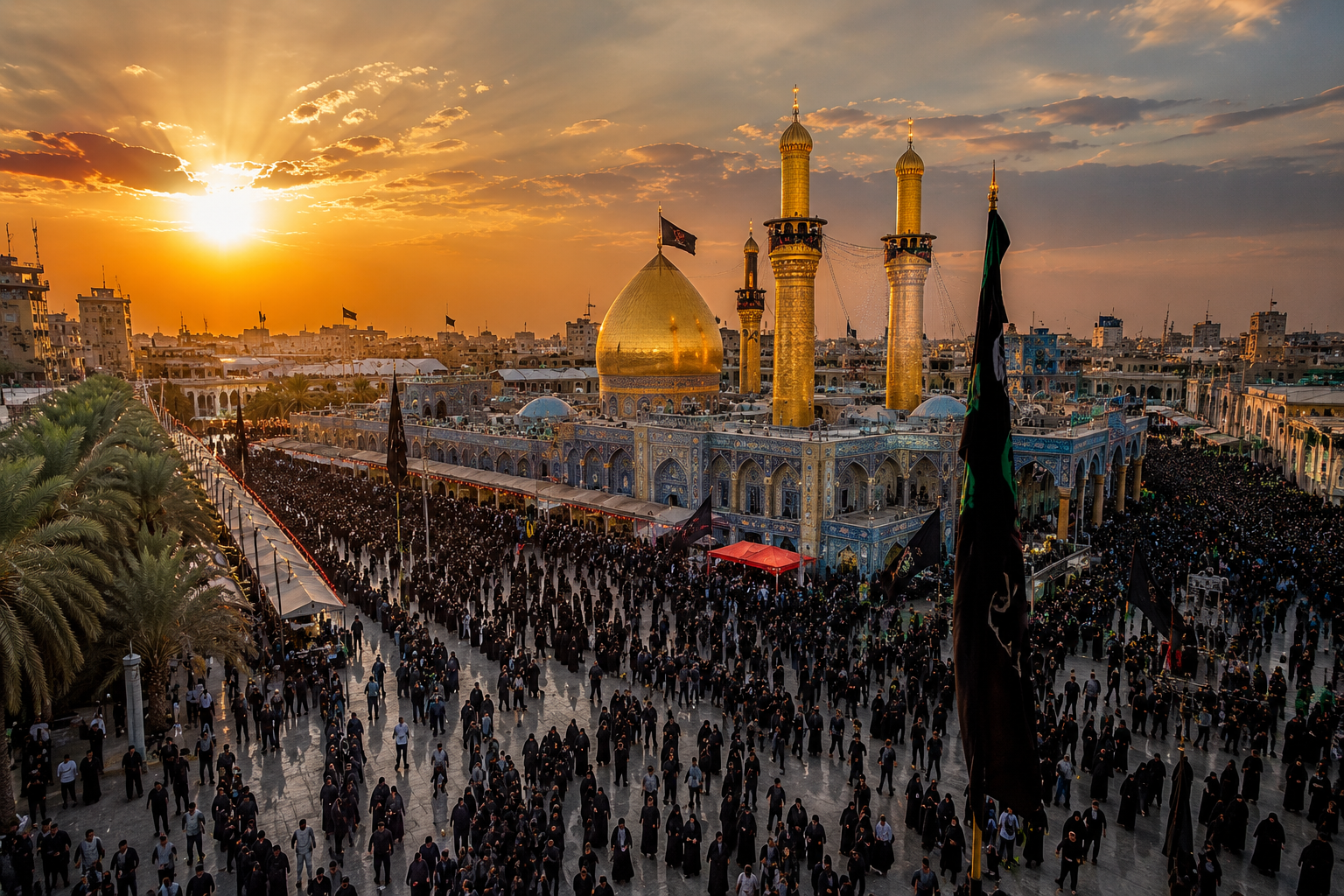
Large gatherings take place in Iraq, Iran, Pakistan, India, Lebanon, Bahrain, and many other countries.
Millions also visit the shrine of Imam Hussain in Karbala each year.
Some mourning practices vary by country and community. Certain forms of self-flagellation remain controversial and are discouraged or rejected by many Shia scholars.
Ashura Around the World
Ashura is observed across many countries.
Iraq
Karbala becomes the center of global Shia pilgrimage.
Millions gather at the shrines of Imam Hussain and Hazrat Abbas.
Iran
Large mourning ceremonies fill cities and towns.
Black banners, sermons, and public gatherings are common.
Pakistan
Both Sunni and Shia Muslims observe Ashura.
Security measures are often increased during large processions.
India
Ashura processions take place in many major cities.
Religious gatherings continue throughout Muharram.
Lebanon
Ashura is widely observed through religious gatherings and public mourning. In 2026, ceremonies carried extra emotion following months of conflict and destruction.
Similarities Between Sunni and Shia Observance
Although their focus differs, many shared values remain.
Both communities:
- Respect Muharram.
- Increase worship.
- Read the Quran.
- Make dua.
- Remember Allah.
- Reflect on faith.
- Value patience and sacrifice.
- Encourage charity.
Ashura reminds Muslims that faith should guide every part of life.
Table: Ashura Overview and SEO Keywords
| Topic | Details | SEO Keywords |
|---|---|---|
| Ashura Meaning | Tenth day of Muharram | What is Ashura, Ashura meaning |
| Islamic Date | 10 Muharram | Ashura date, Muharram 10 |
| Sunni Observance | Fasting, worship, gratitude | Ashura fasting, Sunni Ashura |
| Shia Observance | Mourning Imam Hussain | Shia Ashura, Karbala |
| Historic Event | Battle of Karbala | Imam Hussain, Karbala history |
| Lessons | Justice, sacrifice, patience | Ashura lessons, Islamic history |
| Global Observance | Iraq, Iran, Pakistan, India, Lebanon | Ashura worldwide |
Lessons Muslims Learn from Ashura
Ashura teaches lessons that remain relevant today.
Stand for Truth
Imam Hussain showed that truth should never be traded for comfort.
Trust Allah
The story of Prophet Musa reminds believers that Allah’s help comes at the right time.
Practice Patience
Both traditions teach that patience is one of the greatest strengths of faith.
Help Others
Ashura encourages kindness, charity, and care for people in need.
Stay Firm During Hard Times
Whether remembering the prophets or Karbala, Muslims learn to remain faithful during trials.
Why Ashura Still Matters Today
More than 1,300 years after Karbala, Ashura continues to inspire millions.
People remember courage instead of fear.
They remember justice instead of oppression.
They remember faith instead of worldly power.
For Sunni Muslims, Ashura is a day of worship, fasting, and gratitude.
For Shia Muslims, it is the most important day of mourning and remembrance, centered on the sacrifice of Imam Hussain.
Across the Muslim world, Ashura remains a powerful reminder that faith requires patience, honesty, and devotion to Allah.
Final Thoughts
Ashura is one of the most meaningful days in Islam.
Its message reaches far beyond history.
For Sunni Muslims, it celebrates Allah’s mercy shown to His prophets and encourages fasting and worship.
For Shia Muslims, it honors Imam Hussain’s stand against injustice and keeps the memory of Karbala alive through prayer, mourning, and reflection.
Despite different traditions, Ashura calls Muslims toward faith, gratitude, patience, compassion, and courage. It remains a day that shapes Islamic identity and continues to inspire millions every year.