

 By
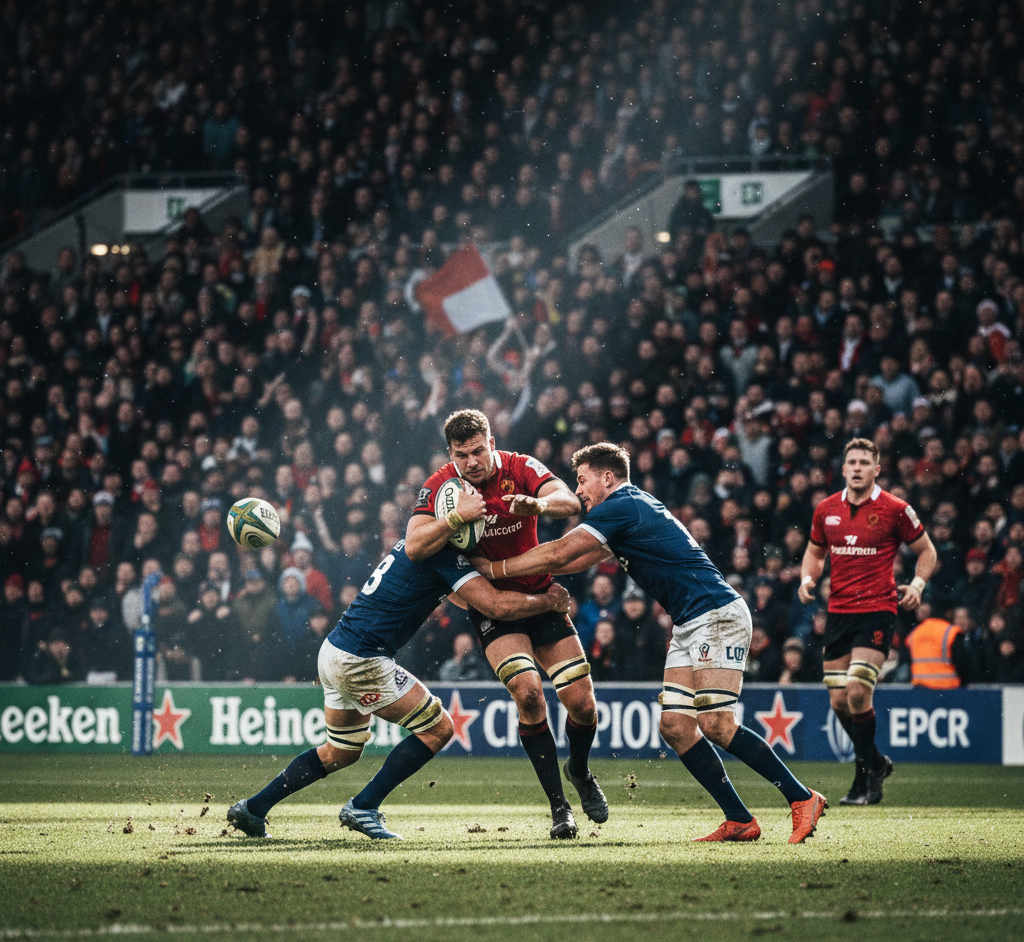
By The Champions Cup continues to deliver some of the most thrilling rugby action in the European calendar. As the competition enters its latest rounds, fans and analysts alike are eagerly anticipating high-intensity matches, where elite clubs clash in contests defined as much by tactical skill as by sheer physicality. Despite some adjustments to the format that have made progression slightly more predictable, the tournament has retained its defining feature: hard-hitting, collision-packed rugby.
Format Changes and Their Impact
The Champions Cup has seen a few format changes in recent years aimed at streamlining the competition and ensuring more teams can advance to the knockout stages. While some critics argue that the revised structure reduces unpredictability, the essence of the tournament remains intact. Matches still feature elite European clubs competing at the highest level, and players are not holding back.
One major impact of the format changes is that clubs have slightly more breathing space during the group stages, allowing them to rotate players and manage workloads. However, this does not mean the intensity drops. Forward packs, defensive lines, and counterattacks remain fast, aggressive, and punishing, ensuring the game’s core excitement is preserved.
Key Elements That Keep Fans Excited
Even with modifications, several elements make the Champions Cup an enduring fan favorite:
Intense Collisions: The physical battles up front — from scrums to mauls — remain as hard-hitting as ever. Players put their bodies on the line, making the collisions one of the most thrilling aspects of the tournament.
Tactical Complexity: Elite clubs bring varied playing styles, with structured attacks, disciplined defenses, and strategic kicking all playing key roles. When defenses break down, fans witness sudden, game-changing moments.
High Stakes in Every Match: Even if the group stage progression is less volatile, each match has crucial implications for rankings and knockout positioning. Teams cannot afford complacency.
Underdog Potential: One of the tournament’s enduring charms is that smaller clubs can challenge established giants. Upsets remain possible, keeping the tournament unpredictable and engaging.
Physicality Meets Skill
A defining characteristic of the Champions Cup is the combination of brute strength and elite skill. Fans can expect:
Powerful scrums and dynamic lineouts where forward packs dominate the collisions.
Fast-paced counterattacks that showcase speed, agility, and decision-making under pressure.
Tactical kicking battles that test both the accuracy of kickers and the organization of defensive lines.
The Cup ensures that rugby’s full spectrum — from bone-jarring collisions to high-speed try-scoring runs — is on display in every fixture.
What Clubs Are Focusing On
For participating clubs, the key is balance:
Defensive Discipline: Avoiding costly mistakes is crucial. Even minor lapses in tackling or alignment can lead to quick turnovers and tries.
Player Rotation and Fitness: Managing squad depth is more important than ever, especially with the intensity of collisions placing significant physical demands on players.
Tactical Adaptability: Teams must adjust their strategies depending on opponents’ strengths and weaknesses, exploiting gaps in defenses while maintaining their own structure.
By blending tactical intelligence with physical aggression, clubs aim to maximize their chances of advancing deep into the tournament.
Fan Experience
For rugby supporters, the Champions Cup offers unmatched excitement. Stadiums across Europe host passionate crowds, creating a charged atmosphere that amplifies the intensity of each collision and the significance of each try. Fans experience:
Edge-of-the-seat action as momentum shifts suddenly between teams.
Celebrations of skill and power, with tries, turnovers, and big tackles drawing cheers.
International rivalries, as clubs from different countries bring unique styles and histories into every encounter.
Even with a slightly adjusted format, the tournament delivers the spectacle and drama that make European rugby a standout experience.
Looking Ahead: Predictions and Key Matchups
The upcoming rounds promise thrilling encounters, with several matches likely to test both physical endurance and tactical mastery. Key elements to watch include:
Elite forwards dominate collisions, setting the tone for their teams.
Backline players are exploiting defensive gaps with pace and precision.
Teams are leveraging tactical kicking to gain territory or disrupt opposition structures.
Analysts suggest that while favorites remain strong, the physical intensity and strategic depth of the Cup mean that surprises and upsets are always possible.
Conclusion
The Champions Cup continues to celebrate rugby in its purest form: high-intensity collisions, elite tactics, and a blend of skill and physicality that captivates fans. Even with format adjustments, the competition remains a must-watch event, demonstrating why it stands as one of Europe’s premier rugby tournaments.
Whether for seasoned fans or newcomers, the Champions Cup offers a spectacle of athleticism, strategy, and excitement that ensures rugby’s best players and clubs remain at the forefront of the sport.