

 By
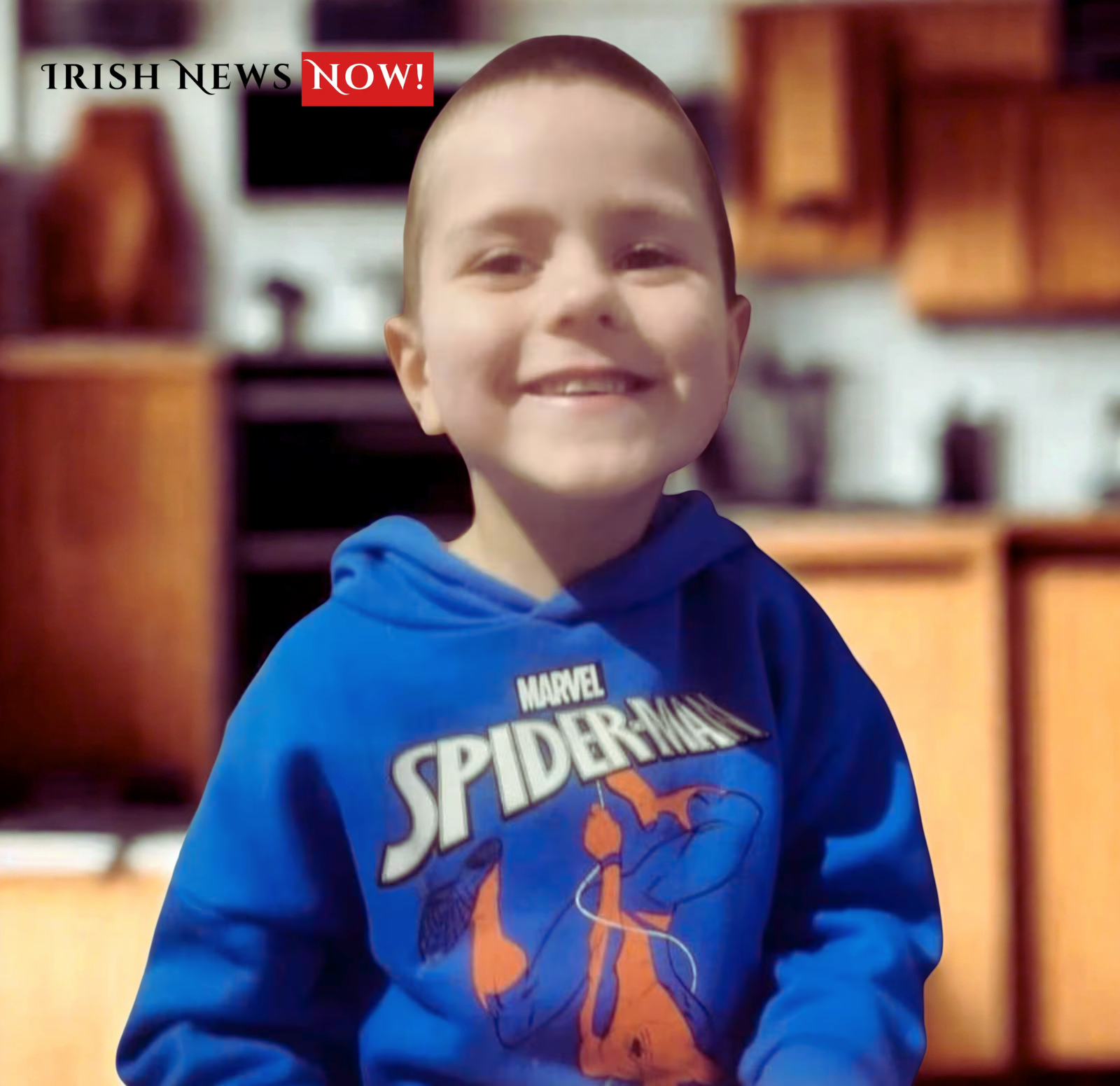
By Ireland has witnessed many difficult stories over the years, but very few have shaken the nation the way the disappearance of young Kyran Durnin has. What started as a search for a missing six-year-old has slowly turned into one of the most serious child-protection failures Ireland has ever confronted. Now, with a fresh review completed and the State refusing to publish its full findings, questions are being raised once again about what went wrong — and how the system allowed this case to unfold unnoticed for so long.
In 2025, as more details quietly emerge and public frustration grows, the Kyran Durnin case has become a symbol of why Ireland’s child-safety structures urgently need reform, transparency, and accountability.
A Disappearance That Should Never Have Gone Unnoticed
Kyran’s last verified sighting was in June 2022, yet astonishingly, he was not officially reported missing until August 2024 — more than two years later. That gap alone became one of the most disturbing aspects of the case, raising alarm across Ireland. How could a school-aged child simply vanish without triggering immediate concern from the systems responsible for his well-being?
By late 2024, Gardaí publicly confirmed that they were treating the situation as a murder investigation based on specific information they had received. Although no remains were found and no definitive conclusion has been drawn, investigators stated that there were strong grounds to believe that Kyran may no longer be alive.
This tragic possibility, combined with the extraordinary delay in recognising his disappearance, forced the Government to order a full independent review — not to determine what happened to Kyran, but to determine what went wrong inside the social-care and education systems that should have protected him.
The Review Is Completed — But Not Being Released to the Public
This week, a new layer of controversy has emerged. RTE confirmed that the National Review Panel (NRP) has completed its examination of the case. However, the full report is not being published, with officials claiming that releasing it could:
Interfere with an ongoing Garda investigation
Affect a potential future prosecution
Reveal sensitive personal information
While these reasons may seem legitimate on the surface, the decision has deeply frustrated members of the public, child-protection advocates, and political figures who believe the State owes full transparency in such a serious case.
The community is not asking for confidential family details. What people want to know is simple: Where did the system fail, and what changes will prevent this from happening again?
Key Weaknesses Uncovered — And Why They Matter
Although the report itself remains behind closed doors, a summary released to the media outlines several weaknesses found across agencies responsible for school attendance, social work, and inter-departmental communication.
Some of the problems highlighted include:
1. Poor tracking of students who move between schools or leave the country
If a child suddenly stops turning up to school, there is supposed to be a follow-up process. In Kyran’s case, this process was inconsistent and incomplete.
2. Insufficient communication between schools, Tusla, and Gardaí
Different agencies held pieces of information, yet no one agency was coordinating or sharing concerns effectively.
3. Delayed escalation of concerns
At multiple points, the system could have flagged Kyran as “unaccounted for.” That never happened.
4. Outdated protocols that do not match modern family mobility
Today, families move across borders more frequently. Ireland’s system has not been updated to track children who relocate, withdraw from school, or change address without notice.
While the summary insists that no single weakness can be directly linked to Kyran’s disappearance, the combination of failures paints a deeply worrying picture of a system struggling to protect its most vulnerable children.
Public Reaction: A Story That Breaks Trust in Child-Protection Systems
Ireland is a country that takes child welfare seriously, so it is no surprise that this case has sparked a wave of public emotion. Many people feel that the system didn’t simply fail — it failed silently, and for too long.
Parents are asking tough questions:
How can a child be unaccounted for over two years?
Why didn’t school attendance checks raise alarms?
How many other children might be slipping through the cracks?
Why is the Government withholding the report at a time when transparency is essential?
For many, it’s not just about this case — it’s about the confidence families place in schools, social workers, and Gardaí. When these structures fail once, it encourages fear that similar failures could occur again.
Government & Agency Response — Promising Change, But Slow to Act
Following the review, several recommendations have been accepted in principle:
1. A new cross-border student-tracking system
This would allow agencies to monitor children who move in and out of the State or change schools unexpectedly.
2. Stronger coordination between Tusla, schools, and law enforcement
Early concerns must now be shared quickly, with a clear chain of responsibility.
3. Redesigned child-protection protocols
The review calls for modernised guidelines that reflect how mobile families have become.
4. Mandatory follow-ups on all unexplained absences
Every missing-from-education case must be escalated without delay.
However, the challenge is not the recommendations — it’s the implementation. Ireland has had multiple inquiries, reviews, and recommendations in the past, yet progress often moves slowly. Families and advocacy groups are demanding that this time must be different.
Why This Case Will Shape Ireland’s Child-Safety Policies for Years
Every once in a while, a case emerges that forces a country to re-examine how it protects children. For Ireland, this is the case. It is not just a tragedy; it is a turning point.
The disappearance of Kyran Durnin has exposed structural weaknesses that were hidden in plain sight. It has been shown that when communication breaks down between agencies — even slightly — the consequences can be unthinkable.
In 2025, the biggest challenge Ireland faces is not finding who is at fault. It is rebuilding a system so that no child can simply vanish without the country noticing.
The Road Ahead
Gardaí continue to appeal for information. The community continues to hope for clarity. And professionals across the country continue to push for policies that truly safeguard every child.
But one truth has already become clear:
This case will remain a permanent reminder that child protection must never be taken for granted.
Ireland owes Kyran — and every child — a system strong enough to keep them safe.