

 By
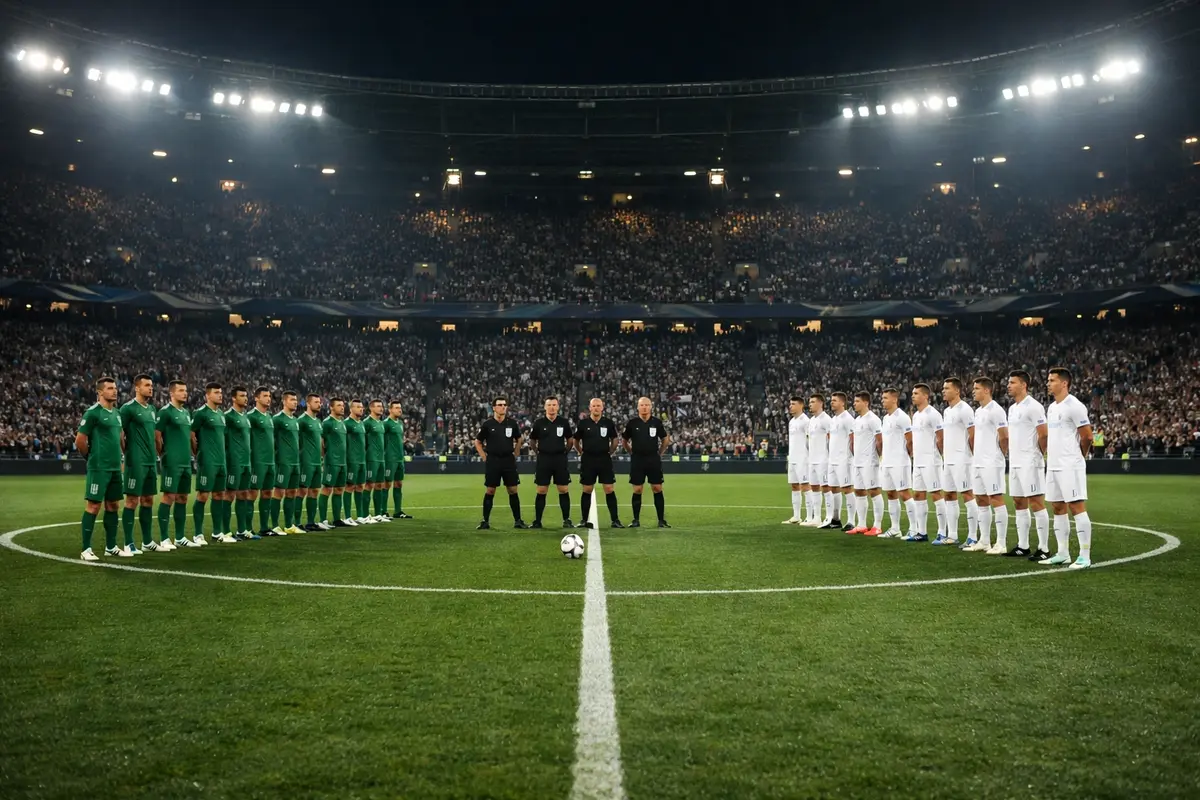
By International football often brings countries together through sport. At times, it also raises political and social questions. One recent example is the Republic of Ireland’s UEFA Nations League fixture against Israel.
Public debate has grown around whether Ireland should play the match. The Football Association of Ireland (FAI) confirmed it will fulfil the fixture. Taoiseach Micheál Martin supported the decision and called it the correct one.
This issue shows how sport, politics, and public opinion can intersect. It also raises questions about the role of football organisations during global conflict.
This article explains the situation, the reactions in Ireland, and what it means for sport and society.
Understanding the UEFA Nations League
The UEFA Nations League is a European football competition. It began in 2018 to replace friendly matches with competitive games.
National teams play in groups based on ranking. Results affect promotion, relegation, and tournament seeding.
The competition gives smaller teams meaningful matches. It also keeps fans engaged between major tournaments.
For Ireland, Nations League matches are important for ranking and development.
The Republic of Ireland National Team
The Republic of Ireland football team has a long history in European football. The team represents the country in UEFA and FIFA competitions.
Ireland has played in major tournaments such as the World Cup and European Championship.
Recent years have focused on rebuilding the squad with younger players. The Nations League provides valuable experience for this group.
Each fixture helps players grow at international level.
The Scheduled Match Against Israel
Ireland and Israel are scheduled to meet in the UEFA Nations League. The fixture became a public topic due to political concerns.
Some groups called for Ireland to refuse to play. Others argued that sport should remain separate from politics.
The FAI reviewed the situation before making a decision. The association confirmed Ireland would play the match as scheduled.
This decision followed UEFA competition rules and international sporting agreements.
The FAI’s Position
The Football Association of Ireland stated it would honour the fixture list. The organisation said international commitments must be respected.
Football governing bodies usually avoid political decisions. Their role focuses on sport, players, and competition rules.
Refusing to play a scheduled match could bring penalties. These could include fines, points deduction, or suspension.
The FAI decision aimed to avoid these risks.
Government Response in Ireland
Irish political leaders also responded to the debate. Taoiseach Micheál Martin supported the FAI decision.
He described fulfilling the fixture as the correct course of action. The government recognised the independence of sporting bodies.
At the same time, leaders acknowledged public concern about global conflict.
This balance reflects how sport and politics often overlap.
Public Reaction in Ireland
Public opinion in Ireland has been mixed. Some people believe sport should continue regardless of politics.
Others feel international matches can send political messages.
Fans, activists, and sports groups have shared different views.
This debate shows how strongly people feel about global events.
Football can become a space where wider issues are discussed.
Sport and Political Debate
Sport has often crossed paths with politics. History shows many examples of this connection.
International competitions sometimes reflect global tensions.
Boycotts and protests have happened in different sports over many years.
Athletes and teams sometimes face pressure during political conflicts.
Football organisations try to keep focus on the game itself.
UEFA Rules and Responsibilities
UEFA governs European football competitions. Member nations must follow competition rules.
Teams are expected to complete scheduled matches. Failure to do so can lead to disciplinary action.
These rules protect fairness in tournaments.
They also ensure competitions continue smoothly.
The Nations League operates under these regulations.
Players and the Human Side of Football
Football players often stand between sport and politics. Their job is to play, train, and represent their country.
Many players prefer to focus only on football.
International matches can carry emotional weight during global conflicts.
Players may face questions beyond sport.
Support from fans and organisations helps them stay focused.
The History of Ireland in International Football
Ireland has built a strong football identity over decades.
Famous moments include World Cup appearances and memorable qualifying campaigns.
The national team has long represented Irish pride and unity.
International matches bring communities together.
The Nations League continues this tradition.
Football as Cultural Identity
Football plays an important role in Irish culture.
International matches create shared experiences across the country.
Fans gather in stadiums, homes, and public spaces to watch games.
These moments strengthen national identity.
Sport can unite people during difficult times.
Balancing Sport and Global Issues
The Ireland v Israel fixture shows how sport and global events can meet.
Sports organisations must balance rules, public opinion, and player welfare.
There is rarely a simple solution.
Each situation requires careful thought.
The FAI decision reflects this balance.
Media Coverage and Public Discussion
News coverage has increased public awareness of the fixture.
Media reports discuss both football and political perspectives.
Public debate continues across social platforms.
This shows how sport remains connected to society.
Football matches often become part of larger conversations.
The Role of Fans
Fans play an important role in international football.
They support teams through wins and losses.
They also express opinions on social issues.
Supporters’ voices shape public discussion around sport.
Respectful debate helps maintain unity among fans.
Ireland’s Future in the Nations League
Ireland continues to develop its national squad.
Young players are gaining international experience.
The Nations League remains an important competition for growth.
Each match builds confidence and teamwork.
Fixtures like the Israel match are part of that journey.
Football Diplomacy
Sport can act as a form of diplomacy between nations.
International matches allow countries to meet in peaceful competition.
Football often creates moments of respect between teams.
These moments can matter beyond the pitch.
Sport can encourage understanding between cultures.
Lessons from Past Sporting Controversies
History shows many debates around sport and politics.
Different countries have faced similar decisions.
These moments remind people that sport exists within society.
Football organisations often rely on rules to guide decisions.
This helps maintain fairness in competition.
Why the Debate Matters
The Ireland v Israel fixture is about more than football.
It reflects how global events affect everyday life.
Sport can highlight social and political concerns.
At the same time, it can bring people together.
This balance makes international football unique.
The Importance of Respect in Sport
Respect remains central to football values.
Players, fans, and officials share responsibility for fair play.
International matches should promote sportsmanship.
Even during disagreement, respect keeps sport strong.
This principle guides football organisations worldwide.
Conclusion
The Republic of Ireland’s Nations League fixture against Israel shows how sport and society connect.
The FAI decision to fulfil the match follows competition rules. Government leaders supported this approach.
Public debate continues, showing how deeply people care about both sport and global issues.
Football remains a powerful cultural force in Ireland.
International matches carry meaning beyond the pitch.
They remind us that sport reflects the values and challenges of the time.
As Ireland prepares for the Nations League fixture, the focus will remain on the players, the game, and national pride.
Football continues to unite people, even during difficult moments.