

 By
By A woman in her 20s who was arrested on suspicion of murder in the case of missing child Daniel Aruebose has been released without charge. This update has sparked shock and sadness across Ireland and beyond. The case has drawn intense public attention as new details emerge about what happened to the boy who vanished over four years ago. RTE+1
In this article, we explain what happened so far in the investigation. We also look at how this arrest unfolded, what the police are saying, the background of the missing child case, and what may come next. This story touches on law enforcement, the justice system, and how communities respond to tragic events.
Who Was Arrested and Why?
On 22 December 2025, police in Ireland arrested a woman in her 20s on suspicion of murder. She was taken into Garda custody in the Dublin region as part of the ongoing homicide investigation into the disappearance and death of Daniel Aruebose.
The woman was held under Section 4 of the Criminal Justice Act, which allows police to detain a suspect while they question them. Specialist Garda interviewers put evidence to her and questioned her under caution.
No charges were brought. After extended questioning, she was released without charge on the morning of 23 December 2025. Gardaí said a file of evidence will be prepared for the Director of Public Prosecutions (DPP).
This arrest was the first made in connection with Daniel’s case since the investigation was upgraded to a homicide probe earlier in December 2025.
What Happened to Daniel Aruebose?
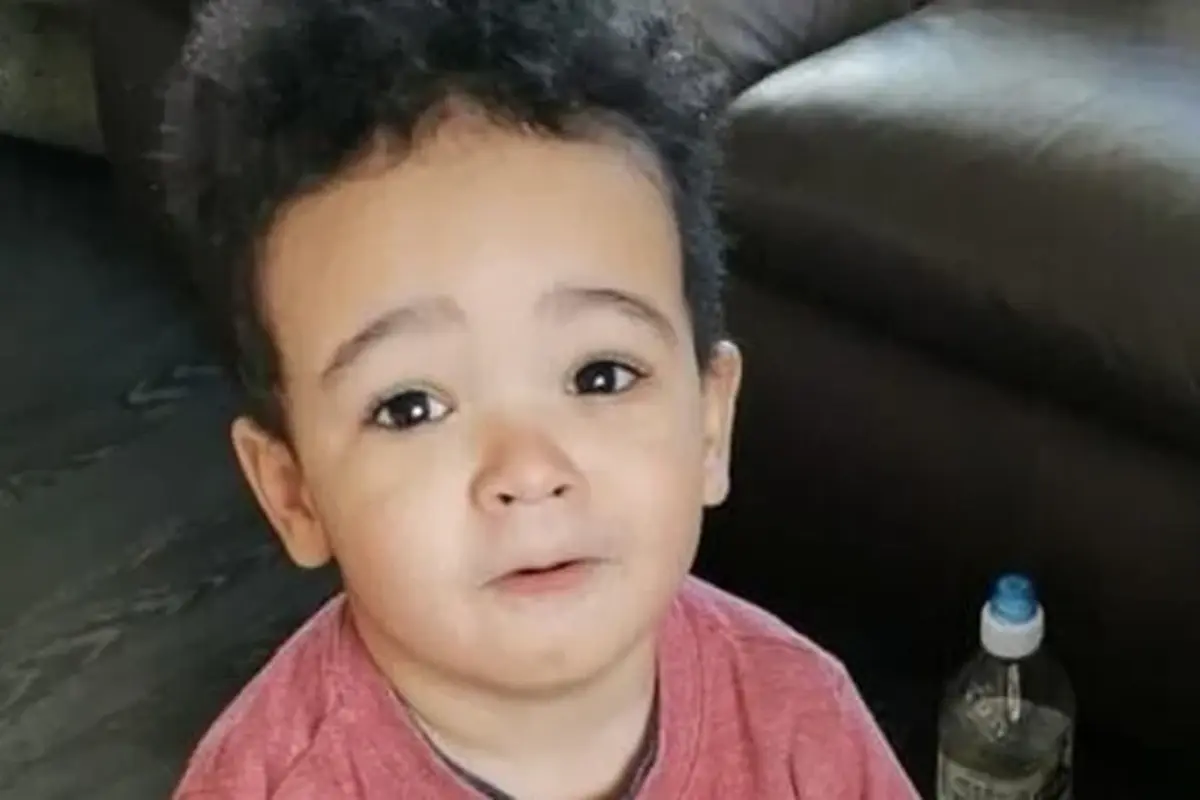
Daniel Aruebose was just three years old when he was last seen alive at his home in The Gallery apartments in Donabate, north County Dublin more than four years ago.
For years, concerns about Daniel’s disappearance went unnoticed. It was only after checks on a social welfare payment linked to him raised red flags that the matter came to light on 29 August 2025. TUSLA, the Irish child and family agency, passed the concerns to Gardaí, who began an investigation.
During the search that followed, Gardaí found human skeletal remains in open ground near Daniel’s former home on 17 September 2025. DNA testing later confirmed the remains belonged to Daniel.
Police believe Daniel died about four years ago when he was about three years old. This means the tragedy happened long before it was reported or even noticed by authorities.
Why Did the Police Release the Woman?
Releasing a person without charge does not end an investigation. In cases involving suspicion of murder, police may detain a suspect to question them and examine evidence. If police believe more work is needed, they prepare a file for the Director of Public Prosecutions.
In this case, Gardai decided not to charge the woman after questioning. They are still investigating and gathering evidence. Gardai said their preliminary work will be sent to the DPP, who will decide if charges are appropriate.
Police urged the public to continue offering any information that might help their work. They said no detail is too small if it helps clarify what happened to Daniel.
Timeline of the Case So Far
Here is a simplified timeline of key events in the Daniel Aruebose investigation:
- Late 2019 – 2021: Daniel is last seen alive at his home in Donabate.
- 29 August 2025: Social welfare checks raise concern about Daniel’s welfare. TUSLA alert Gardaí.
- 17 September 2025: Human skeletal remains found near Daniel’s home. DNA confirms it is Daniel.
- 11 December 2025: Gardaí upgrade the case to a homicide investigation.
- 22 December 2025: A woman in her 20s is arrested on suspicion of murder.
- 23 December 2025: The woman is released without charge. A file is prepared for the DPP.
Key Parts of the Investigation
The Garda investigation has looked at many aspects of the case. These include:
Police Interviews and Custody
The woman was questioned by specialist Garda interviewers. She was held in custody for more than 24 hours, with detention extended under Irish law.
Under Section 4 of the Criminal Justice Act 1984, police can detain suspects while they complete questioning and check evidence. This is common in serious cases.
Evidence and Forensic Work
Police have used forensic science and DNA testing to confirm the identity of Daniel’s remains. This evidence forms a key part of the ongoing case.
Investigators have also spoken to several individuals as part of their inquiries. They are piecing together what happened between the time Daniel was last seen and when he was found.
Work by TUSLA and Public Scrutiny
Daniel’s disappearance raised serious questions about child welfare systems in Ireland. TUSLA had engaged with the family before the disappearance. After the case came to light, a rapid review was launched to understand what happened and why earlier concerns were missed.
Community leaders, experts, and politicians have called for improvements to the child welfare system so that similar tragedies can be avoided in future.
How the Public Has Responded
The arrest and release have drawn strong reactions online and in communities. Many people express sadness for Daniel’s family. Some say the case highlights gaps in child protection systems. Others urge people to share information with police to help reach the truth.
People on social platforms have connected this case to other missing child cases and raised concerns about system failures and delays in detection.
What Happens Next in the Legal Process?
After releasing the woman without charge, Gardaí will prepare a file for the Director of Public Prosecutions (DPP). The DPP will review all evidence collected so far. They must decide whether there is enough evidence to charge someone with a crime.
This review is a critical part of the legal system in Ireland. It ensures that charges are only brought when prosecutors believe a conviction is possible based on evidence. If the DPP finds strong evidence, police may make further arrests or charges later.
Meanwhile, the homicide investigation continues. Police are still seeking information from the public that could assist with the case.
Understanding Legal Terms
Here are some important legal terms used in this case:
| Term | Meaning |
|---|---|
| Suspicion of murder | Police believe evidence points to murder. |
| Released without charge | Person freed because police lack enough evidence. |
| Director of Public Prosecutions (DPP) | Office that decides if someone should face charges. |
| Section 4 Criminal Justice Act | Legal power to detain suspects for questioning in serious cases. |
Concerns About Child Welfare System
Daniel’s case brought major public concern about how child welfare and social services respond to long‑term missing children. Many experts and advocates say:
- Systems need stronger checks when children are not seen for long periods.
- Agencies should coordinate better when welfare concerns arise.
- Public agencies must learn lessons from this and similar cases.
Calls for statutory reviews and improved policy oversight have grown louder after this tragedy.
Looking at Similar Cases
The public has drawn comparisons between this case and other missing child cases in Ireland. One example is the disappearance of Kyran Durnin, another young child who went missing, triggering long‑running inquiries. Observers note similarities in how long the disappearance went unnoticed and the challenges police faced in finding answers.
These comparisons add to calls for better systems to protect vulnerable children and ensure early response when children go missing.
What This Means for the Community
This case has hit communities in north Dublin and across Ireland hard. Many parents and residents say they feel deep sadness and frustration. They want answers about what happened to Daniel and why it took so long for authorities to act. Public vigils, supportive messages, and community gatherings show how strongly people feel about this issue.
Local councillors and child advocacy groups plan continued calls for reforms to prevent future tragedies. They want clear changes so no other child disappears without swift action.
Final Thoughts
The release without charge of the woman arrested in connection with Daniel’s murder is not the end of the case. Police will continue the investigation and work with the DPP. The public will watch closely as more information emerges.
This is a case that touches many areas of society — from policing and forensic science to child welfare and community trust in institutions. It also shows how important transparent investigation and careful legal review are, especially in cases involving children and loss of life.
This story continues to develop, and future updates will bring more clarity as investigations progress.