 By
By What Is Happening and Why It Matters
Ireland is facing rising prices and economic pressure. Recent news shows key changes that matter to people here. One big sign is that even a pint of Guinness will cost more soon. At the same time, more businesses are struggling and some Irish people feel anxious about the future. These issues touch daily life, work, jobs, housing, food, and the mood of families and young people.
This article explains:
- Why costs are going up
- What families and workers feel
- How businesses are coping
- What young people think
- Where the country stands now
- What might happen next
All parts are based on current news and trends.
Price Rise on Everyday Items
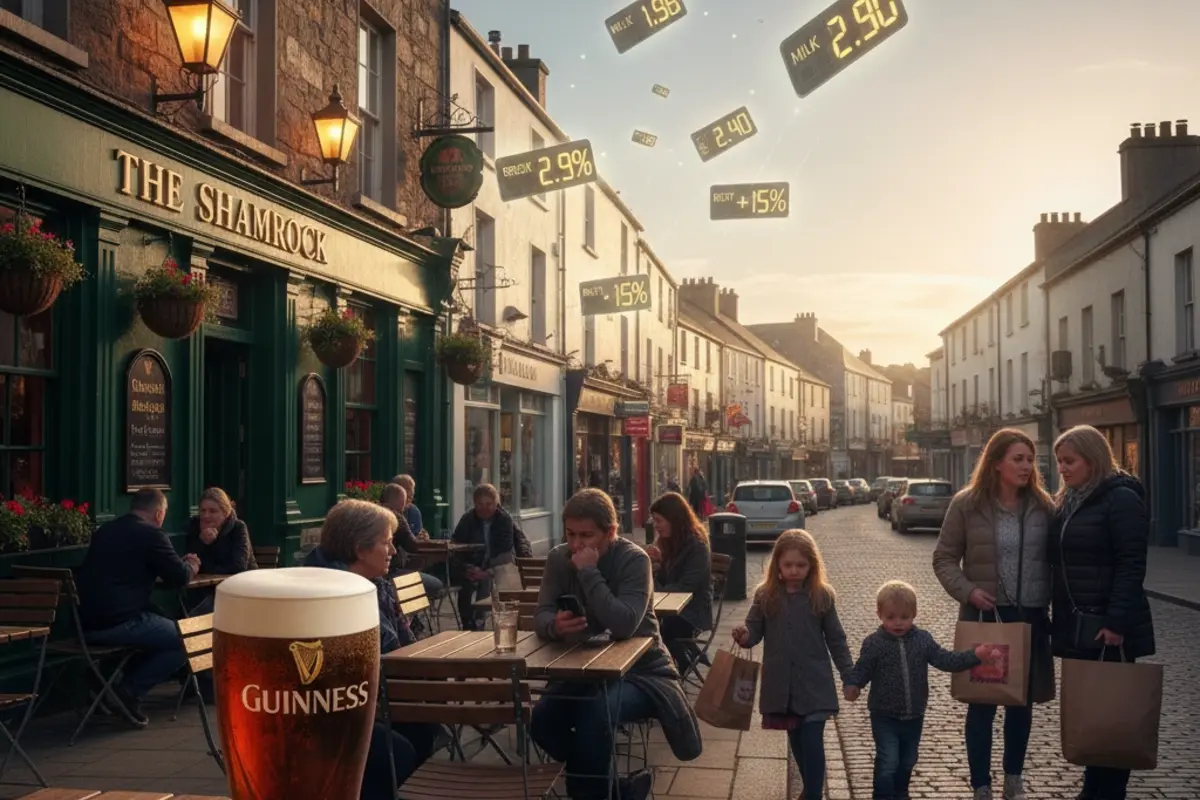
One of the clearest signs of rising cost is the upcoming increase in the price of a pint of Guinness. Diageo, the maker of Guinness, says it must raise prices by about 20 cents per pint next month to keep running its business in Ireland. Publicans have warned this could push more pubs to close.
This is not just about beer. It is a symbol of wider cost pressures. When prices rise even for popular goods, people notice. A pint of Guinness is a daily part of social life for many Irish people. A rise in that price can feel like a sign of bigger economic stress.
Why Prices Rise
Prices can rise for many reasons, including:
- Higher costs for raw materials
- Transport and fuel cost rises
- Wage increases
- Changes in taxes or tariffs
- In Ireland, there is also inflation on food, fuel, housing, and services. While inflation has slowed from its peak in recent years, many families still struggle to make ends meet.
Business Stress and Insolvencies
Many Irish businesses are also feeling pressure. New data shows that insolvencies – when companies can no longer pay their debts – could rise if unemployment stays high. Hospitality businesses, such as pubs, restaurants, and small hotels, are at more than twice the rate of other sectors.
What This Means
- More business closures
- Job losses
- Less money circulating in the local economy
- Fewer local services
For towns and villages, a closed pub or restaurant can be a big loss. These places are often social hubs, not just businesses.
Some sectors do better than others. Tech and services are holding up in parts of Ireland. But hospitality, retail, and small service firms are more likely to struggle with debt.
Public Mood: Anxiety and Uncertainty
A broader survey suggests Irish people are feeling anxious and uneasy about the future. A report on public mood found that:
- Many people worry about the economy
- Confidence in the global order is dented
- Traditional life milestones are shifting
- Social media is seen as poor for real human connection
The survey also noted concerns about Ireland losing its sense of identity with increased immigration and cultural change.
What People Feel
These kinds of feelings matter because they show how people live day to day:
- People may delay big life choices like buying a home or starting a family
- Young adults may choose unconventional paths like travel or freelancing
- Social life might shift from pubs to quieter, non‑alcohol spaces
- Connection with neighbours and communities can strengthen
The mood is not all negative. People also feel ways to adapt, such as seeking deeper friendships and new forms of work.
The Cost of Living in Daily Life
When costs rise, families change how they spend money. Many households are cutting back on non‑essential purchases. Others take longer to save for big items, like cars or home repairs. Some people work extra jobs or side gigs to make up the difference.
Examples of Cost Pressure
- Fuel and transport costs
- Higher rent and housing costs
- Grocery bills that feel higher each week
- Utility bills going up
These pressures add up and affect quality of life. For many families, the decision to go out for a meal, take a short trip, or fix a car becomes much harder.
The Link Between Business and Households
Household spending and business success are deeply connected:
- If households spend less, businesses earn less
- Businesses that earn less may reduce staff or close
- Job losses make households spend even less
This cycle can slow the economy.
For example, if a small local pub must raise prices to survive, customers may go less often. If customers go less often, the pub may still struggle. If it closes, staff lose jobs and local foot traffic drops. This ripple effect touches many parts of life.
Small Business and Community
Small businesses are more than money‑makers. In Ireland, local pubs, shops, and eateries are places where people meet friends, talk, relax, and feel part of community life.
The threat of closure means:
- Fewer social places to gather
- Less local culture and tradition passed on
- Less income for local suppliers and artists
Communities thrive where people have places to connect. So business health is tied to social life, not just economics.
Who Is Most Affected?
Different groups feel the cost pressures in different ways:
Young Adults
Many young Irish adults are worried about:
- Job security
- Affording housing
- Cost of living
- Future opportunities
Traditional life goals, like buying a home, are harder to reach.
Working Families
Working adults with children often feel cost strain in:
- School costs
- Food bills
- Transport and childcare
These costs can add up quickly each month.
Small Business Owners
Owners of pubs, restaurants, and shops face:
- Rising operating costs
- Higher rent and taxes
- Fewer customers with cash to spend
Some see slow growth or stagnation.
Economic Data and Stock Markets
There are also positive signs in parts of the Irish economy. For example, Ireland’s stock exchange has reached new highs compared to past decades. Some sectors and companies have shown strong stock growth.
While stock markets are not the same as daily life for most people, they show where investors see potential. Strong markets can attract investment and create jobs. But this growth does not always touch all parts of society at the same pace.
Broader Global Pressure
Ireland does not exist in isolation. Global economic trends affect local conditions too:
- Global inflation and interest rates
- Foreign policy and trade
- Migration and labour markets
- Global events and investment flows
For instance, changes in the United States or Europe may affect Irish exports, jobs, and prices here.
The Role of Government and Policy
Government policy can shape how the country responds:
- Tax policies to support low‑income families
- Support for small businesses
- Housing policies to ease costs
- Job creation programs
Political leaders and policymakers often debate which steps help best. Ireland’s political landscape continues to change, including with new leaders and priorities.
Cultural and Social Change
Beyond purely economic factors, culture and identity shape public life. For example, discussions on how Ireland should look and feel in the future are growing. Movements like restoration of nature and kindness are gaining attention.
These shifts show that many people seek meaning and community beyond money matters.
A Look at Future Options
What might help Ireland move forward? Some areas to consider:
1. Support for Small Business
- Grants and low‑interest loans
- Business training and networks
- Local marketing support
2. Cost of Living Relief
- Targeted subsidies for families
- Fuel and food cost rebates for low‑income groups
3. Job Growth and Training
- Programs to train workers for new jobs
- Support for young entrepreneurs
4. Community Spaces
- Support for places that bring people together
- Cultural events and local hubs
5. Affordable Housing Initiatives
- Incentives for builders
- Housing subsidies
- Rental support programs
These steps can build a more stable base for people and businesses.
Summary
Ireland is seeing clear signs of rising prices and cost pressure. A pint of Guinness, insolvency trends, and public surveys all show parts of this picture. Many families, young adults, and businesses feel the strain. But there are also signs of resilience, social connection, and innovation. How Ireland navigates the next few years will shape daily life for millions of people.