 By
By Noel Doran is one of the most respected voices in Irish journalism. He led a daily newspaper for many years. His writing career spanned decades. His recent personal essay touches many themes. He wrote about memory, place, family, loss, and return to where life began. It is a gentle reflection on life’s long journey. It carries deep emotion and honest insight.
This article breaks down the key parts of his story. It explains why his words matter. It shares lessons his experience teaches. It also places his writing in the wider context of Irish life and culture.
Looking Back at a Childhood Place
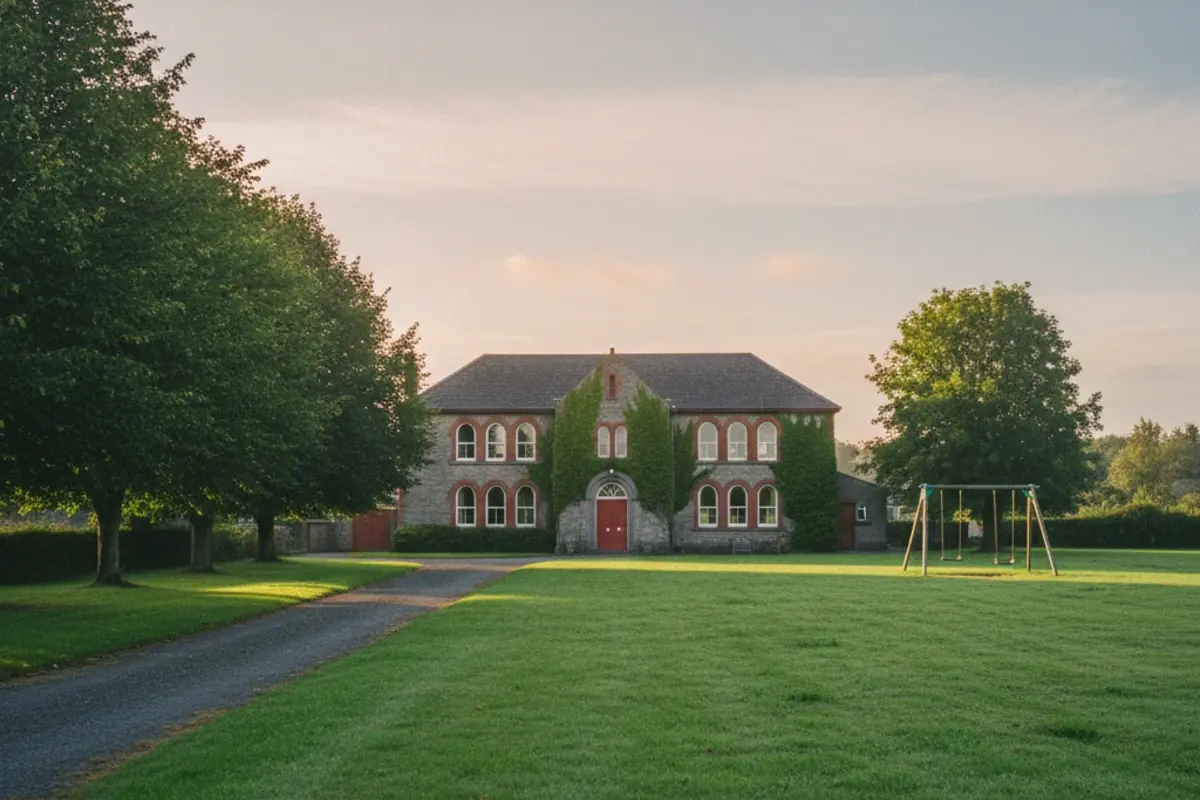
Noel Doran begins by describing his first school. He returned to the old primary school he knew as a child. As he walked around, he noticed how small the rooms looked now. What once felt large now appeared tiny. He felt a mix of comfort and surprise at how the place had changed.
His mother was a teacher there. His father was the principal. The school shaped his early life. He could hear echoes of children reciting multiplication tables. The memories felt alive. They were vivid and clear. This trip down memory lane stirred deep feelings.
Many people feel the same when they return to old places. The past has a way of changing shape in our minds. What once felt huge and wide can seem small but full of meaning. Memory carries both joy and longing.
Family Influence and First Encounters With Culture
Doran writes about how his parents influenced him. His mother encouraged kindness in young students. His father introduced older children to the wider world. These roles shaped him. They taught him how to see people and place.
One memory he shares involves a great Irish poet. He first learned about this poet in his primary school class. The poet’s work was powerful and important. It influenced his view of Irish language and life.
His parents knew the poet through a family friend. That friend was a broadcaster and singer who visited the school. These connections made literature feel close and real. They were not far‑off ideas but part of lived experience.
These early impressions shaped Doran’s view of culture. They made him see his work as part of a larger conversation. He saw journalism not just as reporting facts but as telling human stories grounded in tradition and memory.
The Irish News and Important Moments
Doran’s long journalism career includes many notable moments. One stands out in his essay. It is about a tribute to a local man murdered in violent conflict. The poet wrote a handwritten tribute. That tribute appeared in the newspaper. It was an act of care in a time of loss.
The poem spoke of hope, hurt, and shared humanity. It stood out as a moment of healing in a troubled era. Doran recalls how hard it was to reach the poet at first. He was abroad and unreachable. But the family passed the request along. The result became a front‑page tribute.
This moment illustrates how journalism can connect people. It shows how newspapers can be part of collective memory. It shows that news is more than facts. It is about meaning and community care.
Old Friends, Shared Tables, and Conversations
Doran also shares an intimate story. He recalls a lunch with the poet at a university. The conversation covered journalism, sport, and identity. It was full of meaning and gentle laughs. These smaller moments of life matter as much as major events.
He later discussed that lunch with his brother. His brother was a thoughtful reader of his work. He often read and assessed Doran’s writing before publication. His opinion held weight in the family.
Sadly, his brother became unwell. Doran writes about love and loss with deep feeling. When his brother died, he carried a final message in his heart. The words were simple but strong: “don’t be afraid.” These words gave comfort amid grief.
These personal moments show how life and work are linked. They show that people shape our stories as much as events do.
Memory as a Living Force
A key theme in Doran’s essay is memory. Memory is not static. It changes as we return to old places and revisit old feelings. Small details can make a memory feel like a living thing.
He saw his old school with new eyes. He felt both the small size of the building and the richness of its memory. In that moment, time felt layered. Past and present stood side by side.
Memory also connects people across time. Through memory, we talk to those who are gone. We share older voices with younger ones. We pass meaning on. That is one reason why stories matter.
Loss and Carrying Words Forward
In the essay, Doran writes about his brother’s funeral. It took place near the old school. The setting tied past and present together in a powerful way. The shadow of the school and the churchyard connected memory, place, and grief.
He thought often of the poet’s last message to his friend. Those simple words helped him find strength. They guided him as he stood with family and said goodbye. These words now belong to his own memory and story.
We all face loss. What makes loss bearable is often the people we carried with us in life. Their words become part of what we pass on.
The Role of Journalism in Life Stories
Noel Doran’s writing reminds us of journalism’s deeper role. It is not just about headlines. It is about capturing human truth. It preserves memory. It connects readers to each other through shared experience.
A good reporter sees the small things as well as the big ones. The sound of a school room. The sight of a familiar window. These details matter. They bring stories alive for readers.
Doran’s career shows how journalism can hold space for reflection as well as news. It can ask hard questions but also give voice to shared human experience.
Cultural Memory in Irish Life
Ireland has a rich cultural memory. Poetry, music, and spoken word hold special places in Irish hearts. Many people feel a deep link to place and history. When writers draw on this memory, their work feels close to home.
Doran’s essay draws on these traditions. It connects personal history to national memory. It shows how local places and familiar voices shape who we are.
These threads make Ireland’s cultural life rich and strong. They help people understand roots, loss, and belonging.
Lessons From Doran’s Reflections
From this personal essay, several lessons can be drawn:
- Returning to old places can shift perspective. Places change and so do we. Memory can make familiar scenes new.
- Family and early influence shape life. What we learn as children often stays with us.
- Words from others can stay with us forever. Simple messages can provide comfort.
- Journalism can honor memory and meaning. Reporting is more than facts; it is human connection.
- Loss is part of life, but memory carries hope. Saying goodbye never ends a relationship entirely.
These lessons matter to people beyond journalism. They speak to human experience everywhere.
Noel Doran’s Place in Irish Journalism
Noel Doran was editor of a leading daily newspaper in Ireland for many years. He began as a reporter long before becoming editor. His career spanned decades of change in society and media.
He guided his paper through changes in politics, culture, and technology. He saw major events and shifts in Irish life. His work helped readers understand those times.
His voice became familiar to many. Even after stepping back, his reflections connect generations of readers. His personal writing shows that journalism, at its best, is a way of sharing life’s deeper meanings.
Understanding the Power of Return and Memory
Returning to a place from childhood can feel strange. It can make the past feel present again. It can shift the way we hold memories. That process can be unsettling and uplifting.
Doran’s journey back to his old school shows the power of memory. It is not a static photo. It is a living thing that changes as we change.
His reflections remind us that memory is a bridge. It connects past to present. It keeps stories alive. It helps us make sense of who we are.
A Tribute Through Words and Place
Doran’s final message in his essay is one of quiet reverence. He honors people he knew, places he loved, and memories he carries. His farewell is gentle but firm. It speaks to the shared experience of living, loving, and letting go.
When he stood in the graveyard next to his old school, those memories wrapped around him. They formed a circle connecting life’s first lessons with its deepest losses.
That is the power of memory and the strength of a life well told.