 By
By Beauty Products in Ireland: 5 Essential Things to Know
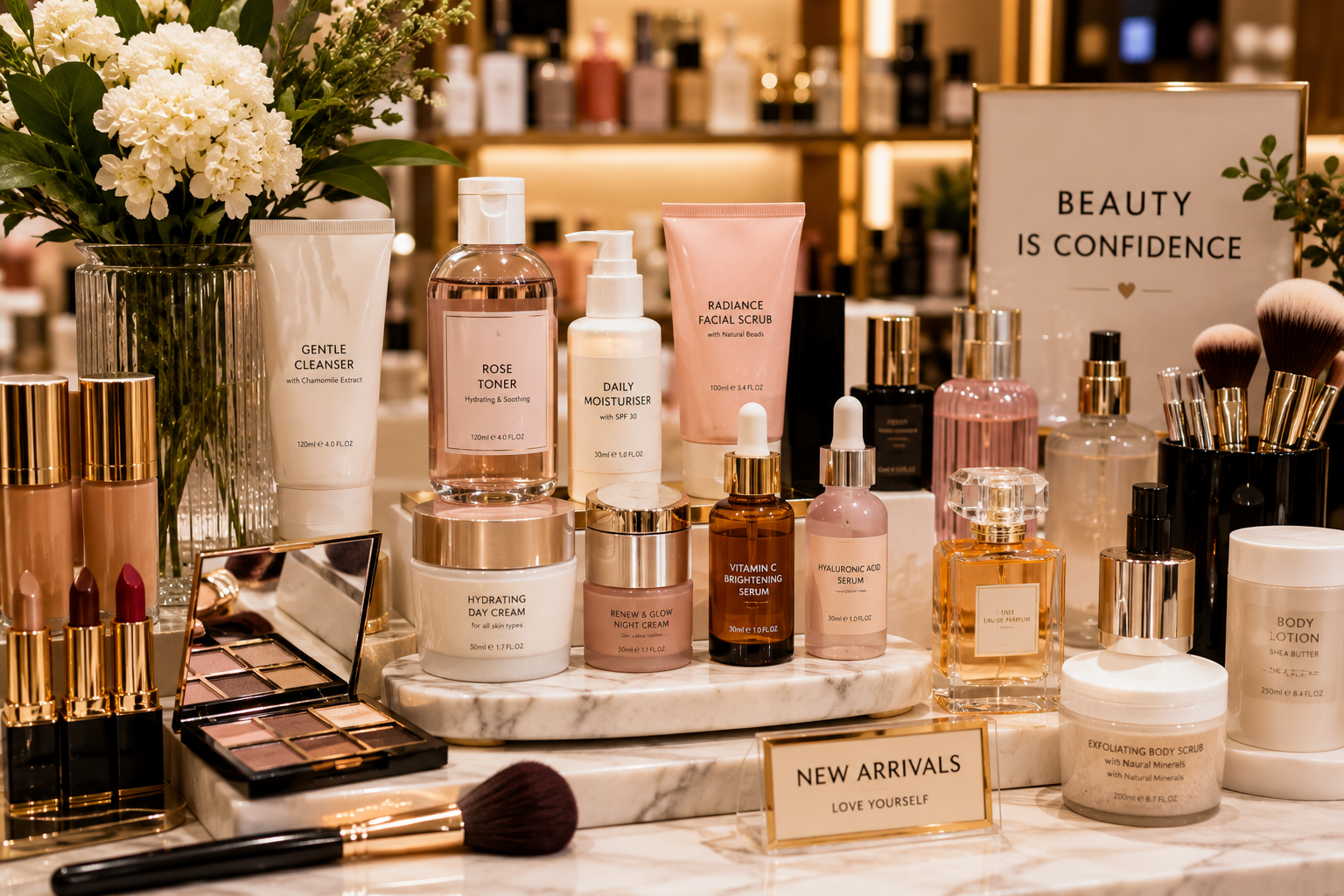
The beauty industry includes a wide range of products designed for personal care, appearance and everyday hygiene. From skincare and makeup to shampoo, deodorants, fragrances and haircare, beauty products Ireland consumers use are part of a highly regulated market.
Ireland follows the European Union’s cosmetics framework, which is designed to ensure that cosmetic products placed on the market meet safety requirements. The Health Products Regulatory Authority (HPRA) regulates the manufacture, sale and supply of cosmetic products in Ireland.
For consumers, understanding what makes a cosmetic product compliant, what information should appear on a label and how to make informed choices can be more useful than simply following beauty trends.
What Are Beauty Products?
Beauty products can include many different types of cosmetics and personal-care products.
The HPRA describes cosmetic products as products generally intended to cleanse or beautify a person. Examples include shampoo, soap, deodorant, toothpaste, hair dye and makeup.
These products can be used on areas such as the skin, hair, nails and lips, or on the teeth and oral tissues, depending on their intended purpose.
The term “beauty product” is broader in everyday conversation than the legal definition of a cosmetic product. Some products that look similar may fall under different regulatory categories depending on what they are intended to do and the claims made about them.
This distinction matters because different types of products can have different regulatory requirements.
5 Essential Things to Know About Beauty Products in Ireland
1. Cosmetic Products in Ireland Are Regulated
One of the most important things to understand about beauty products in Ireland is that cosmetics are subject to EU and Irish regulatory requirements.
The main European legislation is Regulation (EC) No 1223/2009 on cosmetic products. The HPRA explains that cosmetic products placed on the Irish market must also comply with relevant Irish regulations.
The purpose of these requirements is to help protect consumers while ensuring that cosmetic products can be sold throughout the European market under a common regulatory framework.
The rules apply to a wide range of products, from everyday personal-care items to makeup and fragrances.
The European Commission also explains that cosmetics placed on the EU market must be safe and undergo an appropriate safety assessment before being sold.
This means consumers are not simply relying on individual beauty companies to decide whether their products are suitable for sale.
2. Check the Product Label Before Buying
Product labelling is an important part of choosing beauty products Ireland consumers can use confidently.
According to the HPRA, retailers and distributors should check that important information is present on cosmetic labels. This includes an ingredient list, batch number or reference ID and a European address. Labels should also be in English, Irish or both.
Consumers can therefore make it a habit to examine the packaging before purchasing a cosmetic product.
Pay particular attention to the ingredients list if you already know that certain ingredients do not suit you.
It is also useful to check the product’s best-before information where applicable and follow any directions or warnings provided by the manufacturer.
A professional-looking package does not automatically tell you everything about a product. Reading the information provided on the label is a much more useful step.
3. Skincare, Makeup and Haircare Are All Different
The beauty category includes many different product types, and each one has a different purpose.
Skincare products can include cleansers, moisturisers, creams and other products designed for external skin care.
Makeup includes products such as foundation, lipstick, mascara and other cosmetics intended primarily to change or enhance appearance.
Haircare includes products such as shampoo, conditioner and hair-styling products.
Other categories include fragrances, deodorants, soaps and oral-care products.
Because these products are designed for different purposes, consumers should follow the directions provided for each product rather than assuming that products can be used interchangeably.
For example, a product designed for the hair should not automatically be treated as a skincare product simply because its ingredients appear familiar.
Understanding Ingredients in Beauty Products
Ingredients are one of the most useful pieces of information available to consumers.
The European Commission provides CosIng, a database containing information about cosmetic ingredients and their regulatory status in the EU.
This can be particularly useful when researching an ingredient that appears on a cosmetic label.
However, an ingredient database should not be treated as personalised medical advice.
If someone has a persistent skin problem, significant reaction or other health concern associated with a cosmetic product, they should speak with an appropriate healthcare professional rather than relying solely on online beauty information.
4. Beauty Products Sold Online Also Need Attention
Online shopping has made it easier for consumers to purchase cosmetics from businesses located in Ireland, elsewhere in Europe and outside the European Economic Area.
However, buying beauty products online does not remove the importance of product information and safety.
The HPRA’s guidance applies to cosmetic products supplied in Ireland and explains responsibilities for retailers and distributors. Retailers selling cosmetics online or through physical stores have obligations relating to product safety, labelling, storage and responding to safety concerns.
Consumers should therefore be cautious when purchasing products from unfamiliar online sellers.
Before purchasing, look for clear product information, ingredient details and appropriate contact information.
If information about a product is missing or unclear, it may be sensible to choose a seller that provides clearer information.
5. Cosmetic Safety Rules Can Change
Cosmetic regulations are not completely static.
Ingredients can be reviewed and their permitted use can change as scientific information develops.
For example, the HPRA reported that Commission Regulation (EU) 2026/78, known as Omnibus Act VIII, introduced new prohibited or restricted cosmetic ingredients, with the changes taking effect from 1 May 2026.
This demonstrates why cosmetic companies need to monitor regulatory developments.
The EU framework contains restrictions concerning certain substances, including substances classified as carcinogenic, mutagenic or toxic for reproduction. The European Commission explains that these substances are generally prohibited in cosmetics, subject to specific exceptions under the legislation.
For consumers, this reinforces the importance of buying cosmetics through legitimate supply channels.
Beauty Products and the Irish Market
Ireland’s beauty market includes products from both Irish businesses and international brands.
A product may be manufactured in Ireland, elsewhere in the European Economic Area or outside Europe and then imported for sale in Ireland.
The regulatory responsibilities can vary depending on the role a business has in the supply chain.
For example, the HPRA explains that companies importing cosmetics from outside the EEA can have responsibilities as the Responsible Person, depending on the circumstances.
This role is important because the Responsible Person is responsible for ensuring that the cosmetic product complies with the applicable Cosmetics Regulation.
The Responsible Person must also maintain relevant product documentation, including a Product Information File and Cosmetic Product Safety Report, and ensure the product is notified through the Cosmetic Product Notification Portal before being placed on the EU market.
What Should Beauty Businesses in Ireland Know?
Businesses selling beauty products Ireland customers can purchase need to understand the regulatory requirements relevant to their role.
The requirements apply whether the business is a large company, small start-up, distributor, retailer or manufacturer. The HPRA specifically states that regulatory requirements apply regardless of the size of the operation.
Businesses should understand:
- Product safety requirements
- Correct cosmetic labelling
- Ingredient restrictions
- Responsible Person requirements
- Product documentation
- Notification requirements
- Good Manufacturing Practice where applicable
- Procedures for dealing with undesirable effects and safety concerns
The exact obligations depend on the business’s role and the products involved.
Buying Beauty Products Responsibly
Consumers can take several straightforward steps when choosing cosmetics.
Start by purchasing from a reputable seller and checking the packaging carefully.
Look at the ingredient list and follow the manufacturer’s instructions.
If you are trying a product for the first time, follow its directions rather than applying it in ways that are not recommended.
You should also be careful with products that make unusually dramatic claims.
Cosmetic products are regulated differently from medicines, and a cosmetic product should not automatically be assumed to treat or cure a medical condition simply because marketing language suggests a benefit.
The European Commission has specific rules concerning cosmetic claims, and businesses need appropriate evidence to support claims made about cosmetic products.
Beauty Products and Sustainability
Sustainability has also become an important discussion within the beauty industry.
Consumers may consider factors such as packaging, refill options, recycling and the environmental impact of ingredients and manufacturing.
However, terms such as “natural”, “eco-friendly” or “green” do not automatically tell you everything about a product’s environmental impact.
Consumers should look for specific information rather than relying solely on broad marketing language.
For businesses, sustainability claims should also be accurate and supportable.
Beauty Products Across Ireland and Europe
Ireland is part of the EU single market, meaning cosmetic products can be marketed within a broader European regulatory framework when the relevant requirements are met.
The EU Cosmetics Regulation establishes common requirements for cosmetic products across the European market.
This is particularly relevant for Irish businesses that want to sell their products in other European countries.
However, businesses still need to understand the relevant requirements for their products, supply chain and intended markets.
The European framework provides a common foundation, but businesses should not assume that every regulatory obligation is identical across every commercial situation.
Frequently Asked Questions About Beauty Products Ireland
What are beauty products?
Beauty products generally include cosmetics and personal-care products such as skincare, makeup, shampoo, deodorants, fragrances and haircare products. The precise legal definition of a cosmetic product depends on its intended use.
Are beauty products regulated in Ireland?
Yes. Cosmetic products in Ireland are regulated under EU and Irish legislation, with the HPRA responsible for regulating the manufacture, sale and supply of cosmetics in Ireland.
What should I check on a cosmetic label?
The HPRA advises retailers and distributors to check for information including an ingredient list, batch number or reference ID and a European address. The label should be in English, Irish or both.
Can I buy beauty products online in Ireland?
Yes, cosmetics are sold online, but consumers should pay attention to product information, seller details, labelling and safety. Businesses selling cosmetics online also have regulatory responsibilities.
Are cosmetic ingredients regulated in Europe?
Yes. EU cosmetics legislation contains rules concerning prohibited and restricted ingredients, and the European Commission provides information about cosmetic substances through its CosIng database.
Who regulates cosmetics in Ireland?
The Health Products Regulatory Authority (HPRA) regulates the manufacture, sale and supply of cosmetic products in Ireland.
Final Thoughts
Beauty products Ireland consumers purchase are part of a regulated European market designed to support cosmetic safety and consumer protection.
Whether you’re buying skincare, makeup, haircare, fragrance or other cosmetic products, checking the label, understanding the product’s purpose and purchasing from reputable sellers are sensible steps.
For businesses, compliance is even more important. Manufacturers, importers, distributors and retailers can have different responsibilities under Irish and EU cosmetics legislation.
The regulatory landscape can also change as scientific evidence and EU legislation develop. The HPRA’s 2026 updates demonstrate why businesses should keep their cosmetic compliance information current.
For the most reliable information, consumers and businesses should refer to the HPRA and European Commission rather than relying solely on beauty blogs or social-media posts.