

 By
By The State of the Union address is one of the most watched political events in the United States. Each year, the president speaks before Congress and the nation. The speech outlines national priorities, policy plans, and political vision.
Over time, the address has become more than a policy speech. It is a major media event. It shapes public opinion and political debate. The modern era has turned it into a televised spectacle that blends politics with performance.
This article explores the history, structure, political meaning, and cultural impact of the State of the Union address. It also explains why the topic trends today.
What Is the State of the Union Address
The State of the Union address is a speech delivered by the U.S. president to Congress. It reports on national conditions and future plans. The U.S. Constitution requires the president to provide this information from time to time.
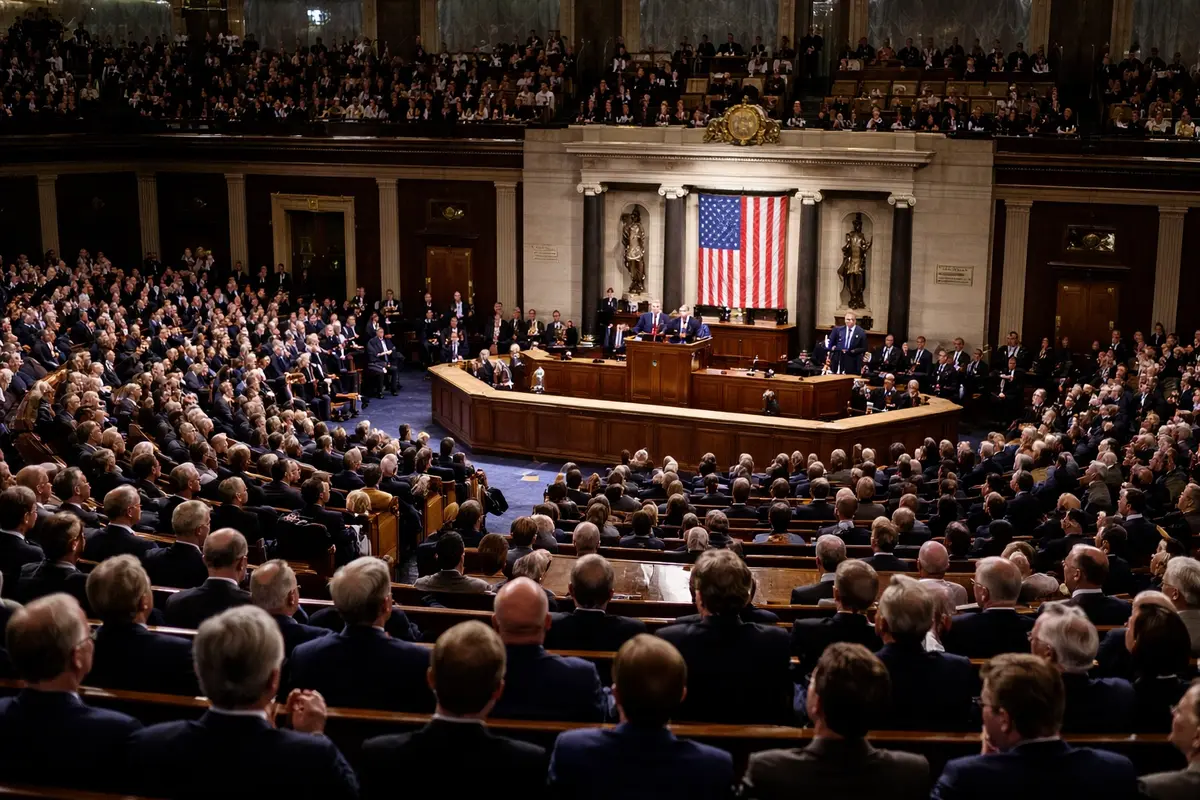
Most modern presidents deliver the speech once each year. It usually takes place in January or February. The event happens inside the House of Representatives chamber.
Members of Congress, the Supreme Court, and invited guests attend. Millions watch the speech on television and online.
Constitutional Origins
The tradition began with President George Washington in 1790. He spoke in person to Congress in New York City. Early presidents followed this format for several years.
Thomas Jefferson later changed the approach. He sent written messages instead of speaking in person. This method continued for over a century.
Woodrow Wilson revived the spoken address in 1913. Since then, most presidents deliver the speech live before Congress.
Growth of a National Event
Radio and television changed the importance of the address. Franklin Roosevelt used radio to reach Americans during the Great Depression and World War II. Television later expanded its reach.
By the late 20th century, the speech became a major political event. News coverage, analysis, and public reaction turned it into a media moment.
Today, social media adds another layer. Clips, memes, and live commentary shape how people interpret the speech.
Structure of the Address
The speech usually follows a clear structure. Presidents begin with greetings and thanks. They then review national achievements and challenges.
Economic performance often takes centre stage. Presidents discuss jobs, growth, and inflation. National security and foreign policy also receive attention.
Domestic issues such as healthcare, education, and climate change appear regularly. The speech ends with a hopeful vision for the future.
The Role of Congress During the Speech
Congress plays an active role during the address. Lawmakers applaud or remain silent depending on political views. These reactions signal support or opposition.
The chamber’s atmosphere often reflects national political divisions. Applause lines can become moments of partisan tension.
Guests seated with lawmakers also shape the event. Presidents invite individuals whose stories highlight policy themes.
The Opposition Response
After the speech, the opposing party delivers a response. This tradition began in the 1960s. It allows critics to present alternative views.
The response often focuses on policy disagreements and political messaging. It provides balance in the national conversation.
Media coverage frequently compares the speech and the response. This contrast helps shape public debate.
Media and Television Influence
Modern State of the Union addresses reflect the power of television. Presidents craft speeches with soundbites and visual moments in mind. Standing ovations and guest stories create memorable scenes.
Television also changes audience expectations. Viewers expect emotional moments, clear messaging, and dramatic delivery.
Political analysts often describe the event as part policy speech and part media performance.
The Reality Show Effect in Modern Politics
Recent political commentary suggests the speech now resembles a televised spectacle. The focus often shifts from policy detail to personality and drama.
The era of Donald Trump intensified this perception. His communication style emphasised personal branding and direct audience connection. Critics and supporters both saw the speech as political theatre.
Commentators argue that Trump did not create this trend alone. Instead, he exposed a long-standing shift toward media-driven politics.
Donald Trump and the State of the Union
Donald Trump’s addresses highlighted showmanship and strong messaging. His speeches often featured bold claims, emotional appeals, and sharp political contrasts.
Supporters praised his direct style and patriotic tone. Critics argued that the speeches blurred the line between governance and performance.
Trump’s use of social media during and after the speech also changed its impact. Online reactions spread instantly, shaping public perception.
Policy Themes in Recent Addresses
Recent State of the Union speeches focus on several recurring themes. Economic recovery and job growth remain central. Presidents often highlight infrastructure investment and innovation.
Healthcare reform, climate policy, and national security also appear frequently. Immigration and border policy continue to spark debate.
Foreign policy sections often address global conflicts and alliances. These themes reflect current events and political priorities.
Public Opinion and Polling
Public reaction to the State of the Union varies widely. Polls often show short-term boosts in approval ratings after strong speeches. These gains may fade quickly.
Viewers’ political affiliations strongly influence reactions. Supporters tend to respond positively, while opponents remain sceptical.
Independent voters often focus on tone and credibility. Emotional moments and clear policy proposals can shape their views.
The Speech as Political Strategy
Presidents use the address to set legislative agendas. The speech signals priorities to Congress and the public. It can create pressure for action on key policies.
Timing also matters. Presidents facing elections often use the speech to highlight achievements and future plans.
The address can also shift political narratives. A strong speech may change media focus and public debate.
Symbolism and Ceremony
The State of the Union carries deep symbolic meaning. The gathering of all branches of government represents national unity. Security measures reflect the importance of continuity.
Ceremonial elements also shape the event. The announcement of the president’s arrival and applause create a formal atmosphere.
Moments of bipartisan applause often signal shared values despite political differences.
Challenges and Criticism
Critics argue that the address sometimes prioritises style over substance. Long speeches may include broad promises without clear policy details.
Partisan reactions can overshadow policy discussions. Applause and protest moments often dominate media coverage.
Some scholars question whether the speech influences legislation. They argue that political divisions limit its impact.
Cultural and Global Influence
The State of the Union attracts global attention. International media analyse policy signals and diplomatic messages. Allies and rivals watch closely for foreign policy direction.
The speech also shapes global perceptions of American leadership. Tone and messaging can affect diplomatic relations.
Cultural references and storytelling elements help humanise political messaging.
Digital Era and Social Media
Social media has transformed how audiences experience the speech. Live tweeting and real-time commentary create a shared viewing experience.
Short video clips often reach larger audiences than the full speech. Viral moments can define public memory of the event.
Fact-checking also happens instantly. Journalists and experts analyse claims during the broadcast.
Future of the State of the Union
The address will likely remain a key political event. Technology may change how audiences engage with the speech. Interactive formats and digital platforms could expand participation.
Political polarisation may continue shaping reactions. Yet the speech still offers a rare moment of national attention.
Future presidents will balance policy detail with media performance. The challenge will be maintaining credibility while engaging audiences.