 By
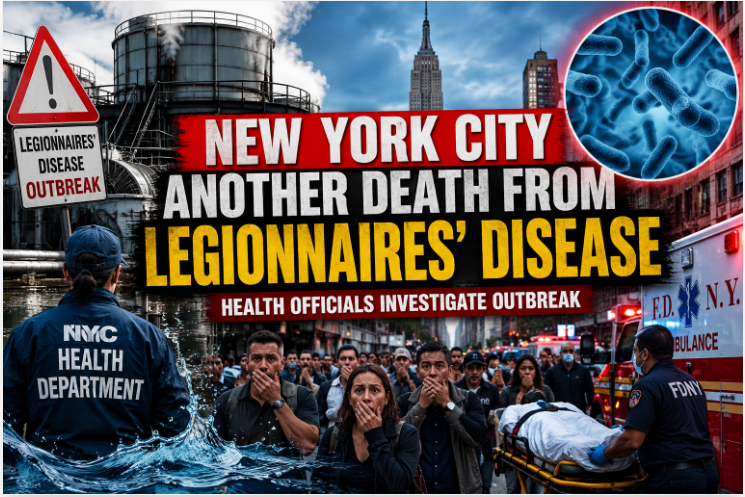
By New York City Officials Announce Another Death from Legionnaires’ Disease
New York City officials have announced another death from Legionnaires’ disease, raising concerns about public health and prompting health authorities to continue investigating the source of the outbreak. The latest fatality highlights the seriousness of this severe form of pneumonia, which is caused by bacteria commonly found in water systems.
Although Legionnaires’ disease is not spread from person to person, outbreaks can occur when people inhale tiny water droplets contaminated with Legionella bacteria. Public health officials are working to identify potential sources, monitor new cases, and reduce the risk of further infections.
The announcement has renewed attention on building water systems, cooling towers, fountains, and plumbing infrastructure, where the bacteria can grow if conditions are favorable. As investigations continue, residents are encouraged to stay informed through official health updates while understanding the symptoms and prevention measures associated with Legionnaires’ disease.
What Is Legionnaires’ Disease?
Legionnaires’ disease is a serious lung infection caused by Legionella bacteria. The illness was first identified in 1976 after an outbreak at a convention in the United States, giving the disease its name.
The bacteria naturally exist in freshwater environments but become a health concern when they multiply in artificial water systems such as:
- Cooling towers
- Air-conditioning systems
- Hot tubs
- Decorative fountains
- Large plumbing systems
- Water storage tanks
People become infected after breathing in contaminated water droplets or mist.
Latest New York City Update
New York City health officials recently confirmed another death linked to Legionnaires’ disease, as health investigators continue monitoring the outbreak.
Authorities are working to:
- Identify the source of contamination.
- Test water systems in affected areas.
- Notify building owners when remediation is required.
- Monitor additional suspected and confirmed cases.
Public health agencies emphasize that identifying the contamination source quickly is essential for preventing further infections.
How Legionnaires’ Disease Spreads
Unlike influenza or COVID-19, Legionnaires’ disease does not spread from person to person.
Instead, infection usually occurs when someone inhales tiny droplets containing Legionella bacteria.
Common exposure sources include:
- Cooling towers on large buildings.
- Hotel water systems.
- Hospital plumbing.
- Office buildings.
- Spa pools and hot tubs.
- Decorative water features.
Proper maintenance and water treatment significantly reduce the risk of bacterial growth.
Symptoms of Legionnaires’ Disease
Symptoms usually appear two to ten days after exposure, although longer incubation periods can occur.
Common symptoms include:
- High fever.
- Persistent cough.
- Chills.
- Muscle aches.
- Headache.
- Shortness of breath.
- Chest pain.
- Fatigue.
- Occasionally nausea, vomiting, or diarrhea.
Because these symptoms resemble other types of pneumonia, laboratory testing is often needed for confirmation.
Who Is Most at Risk?
Although anyone can develop Legionnaires’ disease, certain groups face a higher risk of severe illness.
These include:
- Adults over 50 years old.
- Smokers and former smokers.
- People with chronic lung disease.
- Individuals with weakened immune systems.
- Patients with chronic kidney disease or diabetes.
Healthy individuals generally have a lower risk, but exposure can still lead to infection.
Diagnosis and Treatment
Doctors diagnose Legionnaires’ disease using laboratory tests, including urine antigen testing, respiratory samples, and imaging such as chest X-rays.
Treatment usually involves antibiotics that specifically target Legionella bacteria.
Early diagnosis is important because prompt treatment significantly improves recovery and reduces the risk of serious complications.
Most patients require medical evaluation, while severe cases may need hospitalization.
Public Health Response
Following confirmation of additional cases, New York City health officials have increased surveillance and environmental testing.
Public health teams typically:
- Inspect cooling towers and water systems.
- Collect environmental samples.
- Require cleaning and disinfection where bacteria are detected.
- Issue health advisories to medical professionals.
- Monitor disease trends.
These measures help reduce ongoing transmission risks associated with contaminated water systems.
Preventing Legionnaires’ Disease
Prevention focuses primarily on proper maintenance of building water systems.
Important preventive measures include:
- Regular inspection of cooling towers.
- Water quality monitoring.
- Proper disinfection procedures.
- Temperature management within plumbing systems.
- Routine maintenance of fountains and spas.
Building owners play a critical role in reducing bacterial growth through effective water management plans.
Individuals cannot completely eliminate exposure risk, but awareness and early medical attention remain important if symptoms develop after potential exposure.
Facts About Legionnaires’ Disease
Legionnaires’ disease is caused by bacteria rather than viruses.
The disease cannot normally spread between people.
Most outbreaks are linked to contaminated building water systems rather than drinking water itself.
Modern water management practices have significantly improved outbreak prevention in many cities.
Early antibiotic treatment greatly improves patient outcomes.
Why Water System Maintenance Matters
Large buildings often contain complex plumbing systems where water may remain stagnant if not properly maintained.
Warm temperatures and inadequate disinfectant levels create conditions that allow Legionella bacteria to multiply.
Routine inspection, cleaning, and water treatment help prevent contamination and protect public health.
Many jurisdictions require cooling towers to be registered, inspected, and disinfected regularly as part of disease prevention strategies.
Public Awareness During an Outbreak
Health officials encourage residents to remain informed through official public health announcements.
Individuals experiencing symptoms consistent with pneumonia should seek medical evaluation, especially if they belong to higher-risk groups or have recently spent time in an affected area.
Public awareness helps ensure earlier diagnosis, timely treatment, and faster reporting of new cases.
Looking Ahead
Investigations into the New York City outbreak are expected to continue until health officials identify and eliminate the contamination source.
Environmental testing, ongoing surveillance, and cooperation between health authorities and building owners remain essential to preventing additional cases.
As urban infrastructure continues to age, investment in water system maintenance and monitoring will remain a key public health priority.
Conclusion
The announcement of another death from Legionnaires’ disease in New York City underscores the importance of rapid public health action and proper water system management. Although the disease is uncommon, it can be severe, particularly among older adults and people with underlying medical conditions.
By identifying contamination sources, maintaining building water systems, and promoting early diagnosis and treatment, health officials aim to limit further infections and protect public health. Awareness, prevention, and timely medical care remain the most effective tools in reducing the impact of Legionnaires’