 By
By Ireland’s Men’s Rugby World Cup Journey & Strategy
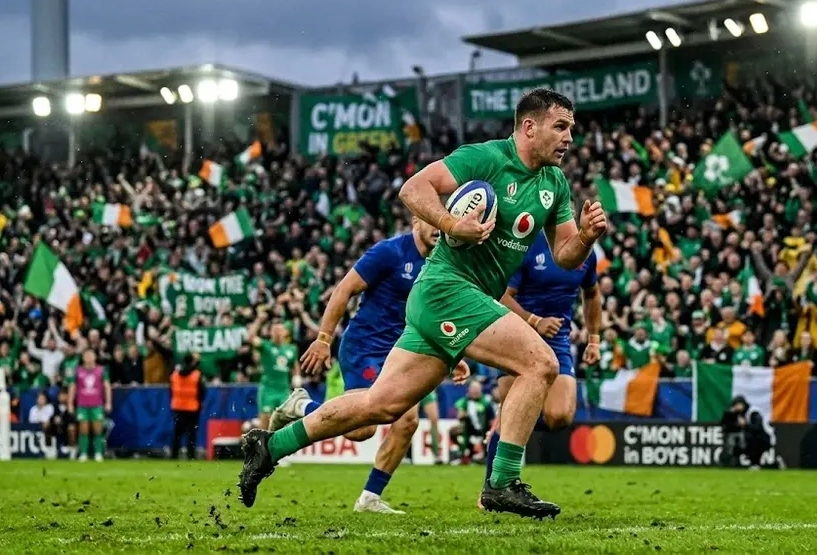
Rugby union holds a cherished place in Irish culture, serving as a powerful force that unites people across the four provinces of Leinster, Munster, Ulster, and Connacht. The Irish national rugby team has consistently produced world-class talent, captured Grand Slams, and reached the summit of world rugby rankings. However, the Men’s Rugby World Cup remains a tournament filled with dramatic triumphs, intense European rivalries, and an agonizing pursuit to break beyond the quarter-final threshold.
For Irish fans and European rugby enthusiasts alike, understanding the history, strategic evolution, and local impact of the Men’s Rugby World Cup in Ireland requires analyzing more than just match scores. It involves examining structural pathways, elite player development, and the tactical innovations that have turned the Irish green jersey into one of the most respected brands in international sport.
The Evolution of Irish Rugby on the World Stage
Since the inaugural tournament in 1987, Ireland’s performance in the Men’s Rugby World Cup has evolved through distinct eras. In the amateur days of the late 1980s and early 1990s, the national team relied heavily on passion and individual brilliance. However, the transition to professional rugby in 1995 laid the foundation for modern Irish dominance. The Irish Rugby Football Union (IRFU) implemented a centralized contract system that remains the envy of European sports organizations.
Key Fact: Ireland is one of only two major tier-one rugby nations that has qualified for every single Men’s Rugby World Cup tournament since 1987 while consistently maintaining a top 10 world ranking throughout the professional era.
This centralized model allows the IRFU to monitor player workload, regulate provincial appearances, and align tactical philosophies across Leinster, Munster, Ulster, and Connacht. Consequently, when players step onto the international stage for the Men’s Rugby World Cup, they bring exceptional cohesion and tactical clarity. This structural advantage enabled Ireland to claim world-number-one status heading into major global competitions.
Analyzing the Quarter-Final Dynamic
Despite sustained dominance in the Six Nations Championship and test series victories in the Southern Hemisphere, Ireland’s Men’s Rugby World Cup campaign is perpetually discussed in relation to its quarter-final performance. Across ten tournament editions, Ireland has reached the knockout stages eight times but has yet to progress to the semi-finals.
This barrier is not due to a lack of elite talent. In 2011, Ireland famously defeated Australia in Auckland during the pool stage, demonstrating world-class defensive resilience before succumbing to Wales. In 2015, severe injuries to core leaders prior to the quarter-final against Argentina exposed squad depth limitations. By 2023, under head coach Andy Farrell, Ireland delivered an extraordinary campaign, winning a thrilling pool match against eventual champions South Africa, only to fall by four points to New Zealand in one of the highest-quality matches in World Cup history.
Crucially, European rugby observers note that Ireland’s World Cup campaigns are heavily influenced by the grueling European calendar. Playing in the United Rugby Championship and the Investec Champions Cup requires peak physical condition throughout the year, making squad depth management vital for global success.
Tactical Breakdown: The Andy Farrell Era
The modern Irish game plan under Andy Farrell represents a significant shift from previous decades. Historically dependent on tactical kicking and forward collisions, the current Irish setup favors dynamic multi-phase attacking structures, rapid breakdown cleanouts, and decision-making from both backs and forwards.
Key Fact: During the 2023 Men’s Rugby World Cup, Ireland recorded the fastest average ruck speed in the entire tournament at 2.71 seconds, highlighting their relentless dynamic phase play.
Central to this strategy is the dual-distributor system. Players across the forward pack possess elite passing abilities, allowing Ireland to change the point of attack seamlessly. This flexibility forces opponent defensive lines to stretch across the field, opening channels for dynamic runners. Furthermore, high-pressure defensive systems, led by aggressive line-speed and organized breakdown competing, ensure opponent teams rarely enjoy unstructured counter-attacking opportunities.
Local Impact and the European Rugby Ecosystem
The Men’s Rugby World Cup drives tremendous economic and cultural momentum throughout Ireland and continental Europe. Pubs in Dublin, Cork, Galway, and Belfast experience record turnout during match days, while thousands of green-clad supporters travel across Europe to support the squad.
Ireland’s footprint within European rugby is further strengthened by its provincial academies. The academy pipelines in Dublin (Leinster), Limerick (Munster), Belfast (Ulster), and Galway (Connacht) continuously produce elite talent capable of competing at the highest international level. By cultivating homegrown players and integrating them into competitive European club competitions, Ireland maintains a sustainable foundation for international success.
Key Fact: Over 85% of players selected for Ireland’s Men’s Rugby World Cup squads over the past decade developed directly through the IRFU’s provincial academy system.
Additionally, rivalries with European powerhouses like France, England, Wales, Scotland, and Italy serve as crucial preparation grounds. The annual Six Nations Championship provides a rigorous testing arena, allowing Ireland to refine tactics, build team chemistry, and evaluate squad depth under pressure before entering the Men’s Rugby World Cup stage.
Preparing for the Future: What Lies Ahead?
As the international rugby calendar moves forward toward upcoming Men’s Rugby World Cup cycles, Ireland is strategically positioning itself to bridge the gap between quarter-final consistency and world championship glory. The focus has shifted toward building unprecedented depth across all positions, ensuring that injury disruptions during multi-week tournaments no longer hinder campaign momentum.
Emerging talent from the Ireland Under-20 teams—who have captured back-to-back European Grand Slams in recent years—is actively being integrated into senior provincial setups. This steady stream of high-caliber prospects ensures that Ireland will remain a dominant force in both European and world rugby for years to come.
With world-class coaching, centralized governance, passionate fan support, and an unwavering commitment to tactical innovation, Ireland’s pursuit of Men’s Rugby World Cup success remains one of the most compelling narratives in global sport.