 By
By Law Student Charged Over Intercepted Bomb in Car: Investigation, Charges, and Public Safety Response
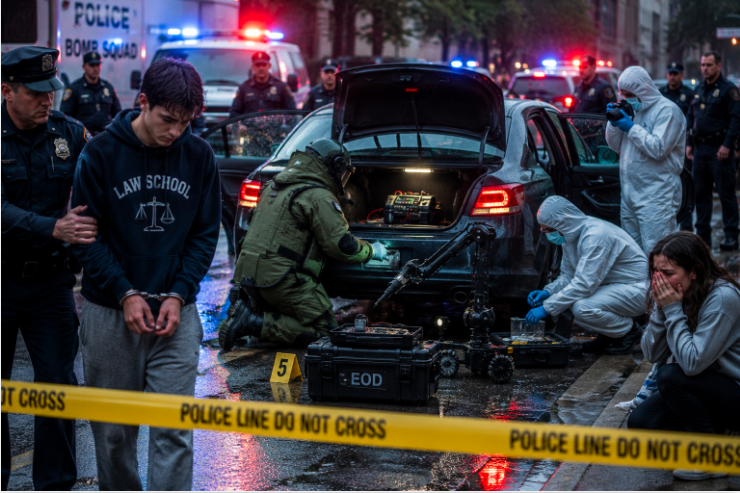
A law student has been charged over an intercepted bomb found in a car, according to authorities investigating the incident. The case has drawn significant public attention because it involves an alleged explosive device and raises important questions about public safety, criminal investigations, and the legal process.
Law enforcement agencies acted after intercepting the vehicle and discovering what investigators described as a suspected bomb. Officers immediately secured the area, launched an investigation, and began collecting forensic evidence. The individual has since been charged, and the case will now proceed through the judicial system.
Authorities have emphasized that criminal charges represent allegations, and the accused is presumed innocent unless proven guilty in court. As investigations continue, officials are working to establish the full circumstances surrounding the incident.
What Happened?
According to investigators, law enforcement officers intercepted a vehicle after receiving information that led them to suspect a potential public safety threat.
During the search of the vehicle, officers allegedly discovered a suspected explosive device.
Specialist bomb disposal personnel and forensic investigators were called to the scene to assess the device and ensure the area was safe before evidence collection continued.
Following the investigation, a law student was formally charged in connection with the incident.
Authorities have not released every detail because the investigation remains ongoing and court proceedings are pending.
Police Response
Whenever police receive reports involving suspected explosive devices, emergency procedures are immediately activated.
The response generally includes:
- Securing the surrounding area.
- Restricting public access.
- Deploying bomb disposal experts.
- Conducting forensic examinations.
- Collecting physical and digital evidence.
- Interviewing witnesses.
These measures are designed to protect the public while preserving evidence for criminal proceedings.
Emergency responses involving suspected explosives often require cooperation between multiple agencies, including local police, bomb disposal units, forensic laboratories, and prosecutors.
Legal Process After Criminal Charges
The filing of criminal charges marks the beginning of the judicial process rather than its conclusion.
After charges are filed, the accused typically:
- Appears before a court.
- Is informed of the charges.
- May apply for bail where permitted by law.
- Receives legal representation.
- Awaits further court hearings.
The prosecution must present evidence supporting the allegations, while the defense has the opportunity to challenge that evidence.
A court ultimately determines guilt or innocence based on the available evidence and applicable law.
Presumption of Innocence
One of the most important principles of the justice system is the presumption of innocence.
Although someone may be arrested or charged, that person remains legally innocent until proven guilty in court.
This principle protects the rights of all individuals and helps ensure that criminal cases are decided based on evidence rather than public opinion or media coverage.
For this reason, authorities often limit the information released while legal proceedings remain active.
Why Explosive Device Investigations Are Complex
Investigations involving suspected explosive devices require extensive forensic examination.
Experts may analyze:
- The construction of the device.
- Chemical materials present.
- Electronic components.
- DNA evidence.
- Fingerprints.
- Mobile phone records.
- Digital communications.
- Vehicle evidence.
Each piece of evidence helps investigators determine how the device was constructed, whether it was functional, and whether additional individuals may have been involved.
Because these investigations involve public safety concerns, they often take weeks or months to complete.
Public Safety Measures
Authorities encourage members of the public to report suspicious objects or activities immediately.
If a suspicious package or device is discovered, people should:
- Move away from the area.
- Avoid touching the object.
- Contact emergency services immediately.
- Follow instructions from law enforcement.
- Allow emergency responders unrestricted access.
Quick reporting can significantly reduce risks to public safety.
Criminal Charges and Court Proceedings
Depending on the jurisdiction and evidence available, cases involving alleged explosive devices may include charges relating to:
- Possession of explosive materials.
- Public endangerment.
- Weapons or explosives legislation.
- Criminal damage or related offences.
The exact charges depend on investigators’ findings and the laws of the relevant jurisdiction.
Courts carefully examine forensic evidence, witness testimony, and expert reports before reaching any verdict.
The Role of Forensic Science
Modern forensic science plays an essential role in criminal investigations.
Investigators may use laboratory analysis to identify chemical compounds, examine electronic circuitry, recover fingerprints, analyze DNA, and reconstruct events.
Digital forensics can also help determine communications, internet activity, and movements connected with the investigation.
Scientific evidence often becomes one of the most important components presented during criminal trials.
Facts About Bomb Investigations
Bomb disposal specialists receive extensive training to safely assess and neutralize suspected explosive devices.
Forensic investigators carefully document every stage of evidence collection to maintain the integrity of criminal investigations.
Many investigations involve cooperation between police, forensic laboratories, intelligence agencies, and prosecutors.
Criminal cases involving alleged explosives are typically handled under strict security procedures due to potential public safety risks.
Why Accurate Reporting Matters
High-profile criminal investigations often receive widespread media attention.
However, responsible reporting requires distinguishing between allegations, charges, and proven facts.
Publishing verified information while respecting legal proceedings helps maintain public confidence in both journalism and the justice system.
Authorities generally release additional details only when doing so will not interfere with ongoing investigations or future court hearings.
Looking Ahead
The case involving the law student charged over an intercepted bomb in a car will continue through the judicial process.
Investigators are expected to complete forensic examinations, interview witnesses, and review all available evidence before future court hearings.
As legal proceedings progress, additional information may become available through official court records and statements from law enforcement.
Until then, authorities continue emphasizing public safety while respecting the rights of everyone involved in the case.
Conclusion
The case of the law student charged over an intercepted bomb in a car highlights the importance of rapid police response, specialist forensic investigations, and due process within the criminal justice system. Emergency services acted quickly to secure the scene and begin a detailed investigation, while prosecutors initiated legal proceedings based on the available evidence.
As the case moves through the courts, the presumption of innocence remains a fundamental legal principle. Ongoing investigations and future hearings will determine the outcome based on evidence presented before the court, ensuring that justice is carried out through established legal procedures.