 By
By Fraud in Ireland: Latest Scams, Warning Signs & How to Stay Safe
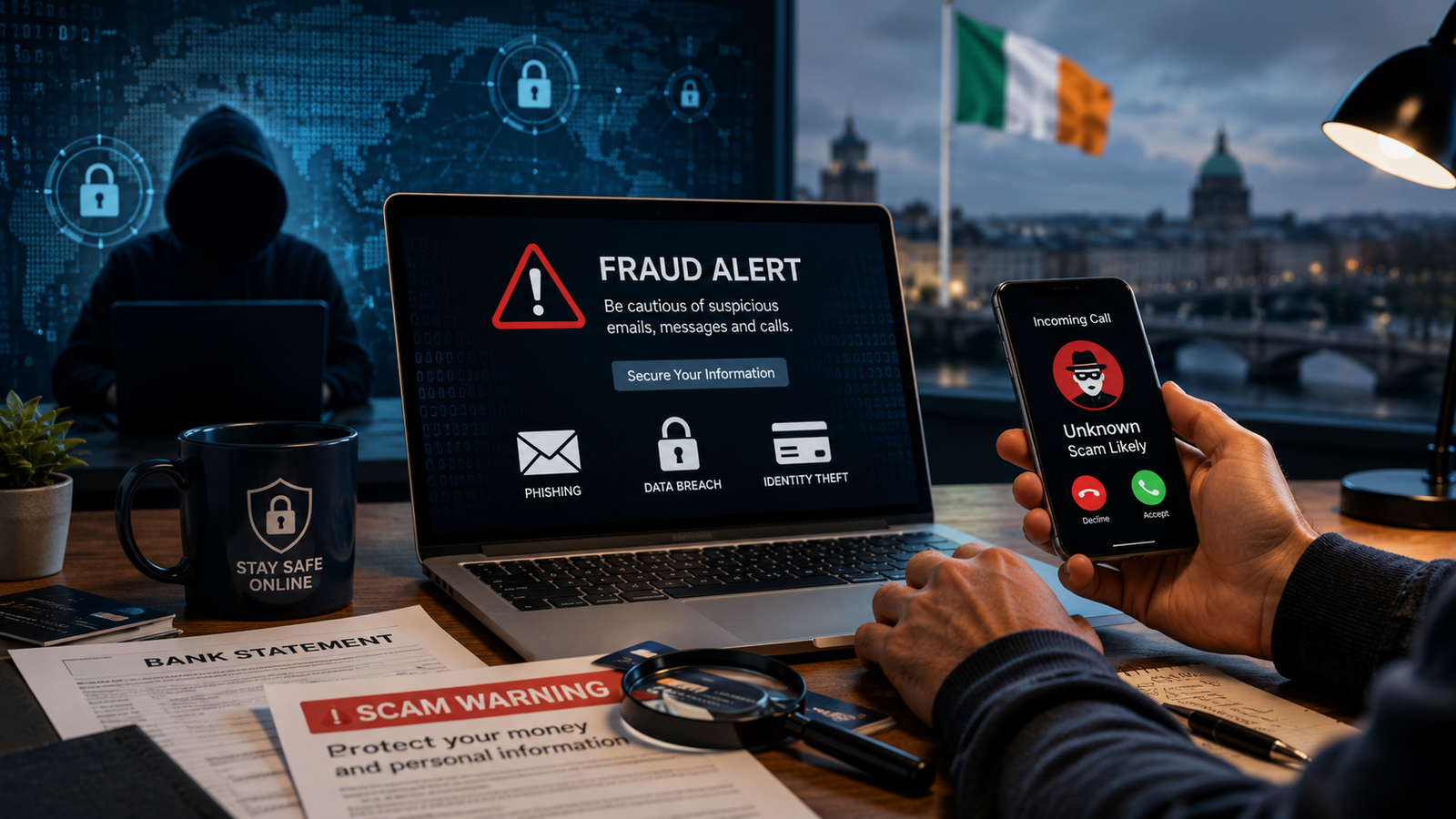
Fraud has become one of the fastest-growing forms of crime in Ireland, affecting individuals, businesses and organisations alike. As technology continues to evolve, criminals are finding increasingly sophisticated ways to target victims through online scams, phishing emails, fake investment opportunities and identity theft. While law enforcement agencies continue working to combat financial crime, public awareness remains one of the strongest defences against fraud.
Across Ireland and Europe, authorities regularly encourage people to stay informed about the latest scam techniques and adopt safe online practices. Understanding how fraud works can help reduce financial losses and protect personal information from cybercriminals.
Understanding Fraud in Ireland
Fraud occurs when someone intentionally deceives another person or organisation to gain money, personal information or other valuable assets. It can happen online, over the phone, through email or even in face-to-face situations.
Modern fraud schemes often rely on technology and social engineering, making it important for individuals to recognise suspicious activity before becoming victims.
Common Types of Fraud
People across Ireland may encounter various forms of fraud, including:
- Online shopping scams
- Phishing emails and text messages
- Investment fraud
- Banking scams
- Identity theft
- Romance scams
- Social media fraud
Each type uses different methods, but the goal is usually to obtain money or sensitive personal information.
Warning Signs of a Scam
Fraudsters often use urgency and fear to pressure victims into making quick decisions.
Common warning signs include unexpected messages requesting personal information, offers that appear too good to be true, requests for immediate payment and suspicious website addresses.
Taking a moment to verify information before responding can prevent many scams.
Protecting Yourself Online
Cybersecurity plays a major role in preventing fraud.
Individuals should use strong passwords, enable two-factor authentication, regularly update software and avoid clicking unknown links in emails or text messages.
Secure browsing habits can significantly reduce the risk of becoming a victim.
Fraud Targeting Businesses
Businesses are also frequent targets of cybercriminals.
Invoice fraud, business email compromise and payment diversion scams have affected organisations across Europe.
Employee awareness training and secure payment verification procedures help reduce business risks.
Identity Theft
Identity theft occurs when criminals use another person’s personal information without permission.
This information may be used to open financial accounts, make purchases or commit further criminal offences.
Monitoring financial statements and protecting sensitive information are important preventive measures.
The Role of Public Awareness
Public awareness campaigns continue helping people recognise fraudulent activity.
Educational resources, cyber safety guidance and consumer protection initiatives encourage individuals to report suspicious behaviour and avoid common scams.
Technology and Fraud Prevention
Banks, businesses and government organisations continue investing in advanced fraud detection systems powered by artificial intelligence and data analysis.
These technologies help identify unusual activity while improving customer protection.
Final Thoughts
Fraud continues evolving as criminals adopt new technologies and increasingly sophisticated methods. However, awareness, good cybersecurity practices and responsible financial habits remain effective ways to reduce the risk of becoming a victim.
By staying informed about the latest fraud trends in Ireland and following trusted security advice, individuals and businesses can better protect themselves from financial crime and identity theft.