

 By
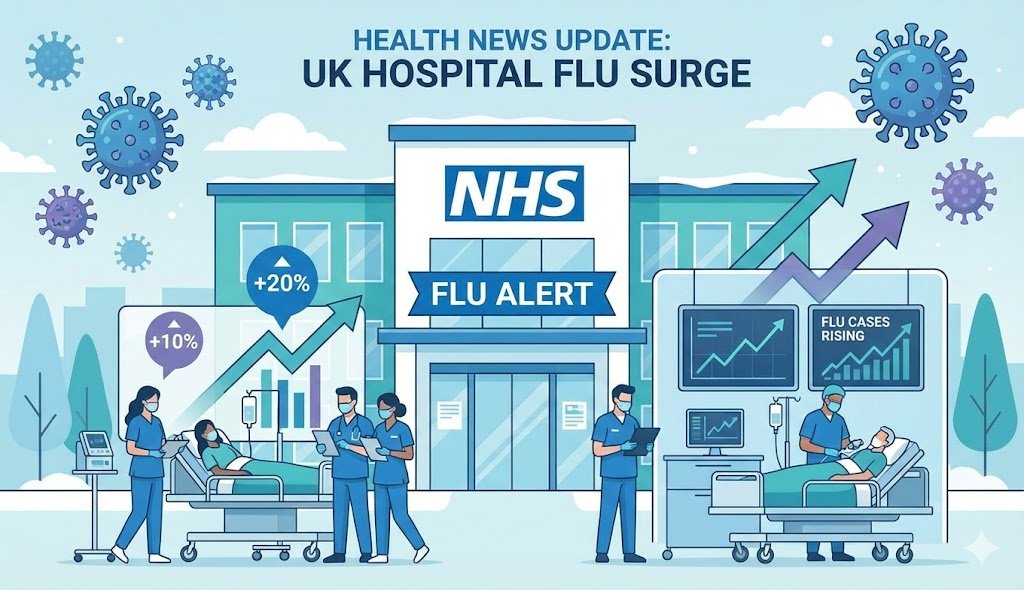
By Seasonal flu has once again become a major concern for healthcare services across the United Kingdom, particularly within the National Health Service. Each winter brings a rise in flu infections, but this season has shown a significantly sharper increase in patient numbers. NHS reports indicate substantial growth in community infections, hospital admissions and GP consultations related to influenza. This trend has amplified pressure on healthcare systems that are already managing high demand from respiratory viruses and chronic health conditions.
Flu infections tend to rise from late autumn through mid-winter. Natural variations occur each year depending on the flu strain, population immunity and public behaviour, yet the current surge reveals a combination of factors acting simultaneously. The increase is visible across emergency departments, general practices and community settings, suggesting a broad and sustained spread rather than isolated outbreaks.
The NHS closely tracks flu activity through a range of indicators including hospitalisation rates, emergency care attendance, community testing and the volume of people seeking medical advice. Higher numbers across all of these metrics confirm a significant flu wave impacting the population.
📊 Overview Table: Current Flu Trends Across the NHS
| Category | Trend | Description |
|---|---|---|
| Community infections | Rising | Consistent week-on-week growth across most regions |
| Hospital admissions | High | Increasing number of patients requiring medical intervention |
| ICU usage | Elevated | Older adults showing more severe symptoms |
| GP consultations | Increasing | More people presenting with respiratory illness |
| Vaccination uptake | Mixed | Varies between regions and age groups |
| Work and school absences | Increasing | More illness-related disruptions |
| Care home outbreaks | Elevated | Vulnerable residents increasingly affected |
🧬 Why NHS Flu Cases Are Increasing This Season
Flu cases do not rise for a single reason; they increase due to several contributing forces that interact with one another. Reduced immunity within the population plays a central role. During periods when fewer respiratory viruses circulate, natural immunity temporarily declines, leaving people more vulnerable once flu activity returns to normal levels. Many individuals, particularly children, have had fewer encounters with flu viruses over the past few years, making the population more susceptible this season.
Cold weather accelerates the spread of influenza as the virus survives longer in colder, drier air. People also spend more time indoors during winter, creating conditions where infection spreads more easily within households, schools and workplaces. School environments are particularly effective at amplifying flu transmission because students gather in close proximity and interact frequently throughout the day. Once flu becomes established among school-aged children, it spreads quickly into wider family units and the community.
Variations in vaccination uptake also influence flu activity. Although many older adults receive their annual flu vaccine, uptake among younger adults and certain vulnerable groups remains inconsistent, leaving gaps in community protection. Some flu strains circulating this year appear to spread more easily, contributing further to the increased number of cases.
Workplace settings have also contributed to the rise. Many employers have returned to pre-pandemic working arrangements, resulting in more people sharing indoor spaces for extended periods. Ventilation varies in these environments, and prolonged indoor contact increases the likelihood of viral transmission.
🧍 Flu Impact on Different Age Groups
Different age groups experience the flu in distinct ways, and this season reflects those differences clearly. Young children, especially those between five and fourteen years old, are experiencing particularly high infection rates. This is largely because schools are efficient transmission environments, allowing flu to spread rapidly among students. Younger children under five are also showing increased rates of GP visits and hospital attendance, particularly those with asthma or underlying conditions.
Adults aged fifteen to forty-four show moderate levels of infection, primarily influenced by workplace exposure and social activity patterns. However, the most concerning patterns continue to appear among adults aged sixty-five and over. Older individuals face the highest risk of complications, including pneumonia, severe dehydration and worsening of existing chronic illnesses such as heart disease or diabetes.
The table below summarises how flu is affecting each age group this season.
| Age Group | Level of Impact | Explanation |
|---|---|---|
| 0–4 years | High | Increased GP visits and respiratory issues |
| 5–14 years | Very high | School environments driving widespread transmission |
| 15–44 years | Moderate | Workplace and social mixing influencing spread |
| 45–64 years | Increasing | More hospital and GP consultations being recorded |
| 65+ years | Very high | Highest rates of severe illness and complications |
🏥 NHS Hospital Pressures and Capacity Challenges
The increase in flu cases places substantial pressure on NHS hospitals. Emergency departments are seeing a growing number of people arriving with respiratory symptoms such as persistent cough, high fever, breathing difficulty and severe fatigue. These cases often require assessment, and in many situations, hospital admission becomes necessary.
General hospital wards are experiencing higher occupancy levels, particularly within respiratory medicine departments. Many flu patients require oxygen therapy, monitoring or intravenous fluids. Some develop secondary infections, including pneumonia, leading to longer hospital stays. Increased admissions also strain hospital discharge processes, as recovering patients may need community care or temporary support services before returning home.
Intensive care units are observing a rise in severe cases, especially among older adults and individuals with chronic health conditions. The pressure on ICUs varies regionally, but all areas report elevated activity compared with early autumn levels.
Healthcare staff shortages add further strain. Flu affects staff as well, resulting in higher sickness absence during the winter season. When staff numbers fall while patient numbers rise, hospitals must redistribute duties, extend shifts or reduce elective services.
| Hospital Area | Pressure Level | Reason |
|---|---|---|
| Emergency departments | High | Rise in respiratory illness attendance |
| Respiratory wards | Very high | Increase in pneumonia and severe flu |
| Intensive care | Moderate to high | More serious cases among older adults |
| GP services | Very high | High demand for consultations |
| Community health | High | More outbreaks in care settings |
🤧 Recognising Flu Symptoms Without Confusion
Flu is commonly mistaken for a severe cold, but influenza typically begins more abruptly and involves stronger symptoms. Most individuals experience fever, intense fatigue, headaches and muscle pain alongside respiratory symptoms such as coughing and sore throat. The combination of whole-body symptoms with respiratory distress is a hallmark of influenza.
Children may experience ear pain, vomiting or irritability. Older adults sometimes show fewer obvious symptoms but may deteriorate rapidly, particularly if they have underlying illnesses. Understanding these symptom patterns helps both patients and clinicians differentiate flu from other viruses.
🧪 How Flu Spreads Throughout Communities
Influenza spreads primarily through droplets released when an infected person breathes, talks or coughs. These droplets can linger in the air or settle on surfaces such as door handles, tables or shared devices. People become infected by inhaling the virus or touching contaminated surfaces and then touching their eyes, nose or mouth.
Transmission is especially strong in environments where many people gather in enclosed spaces, such as schools, offices, public transport and shops. The virus can spread before symptoms appear, which makes flu difficult to control once community transmission begins. Indoor social gatherings, winter travel and family events also contribute to increased spread during the colder months.
🧬 Immunity, Vaccines and Public Health Strategy
Immunity to flu develops through vaccination or natural infection. Each year, flu vaccines are updated to reflect the strains expected to circulate. The effectiveness of the vaccine varies each season but consistently reduces the severity of illness and the risk of hospitalisation. High vaccination coverage among older adults remains one of the NHS’s most effective tools in reducing winter pressure.
Younger adults, pregnant women and people with chronic conditions are also advised to receive the seasonal flu vaccine. However, uptake in these groups is often lower, which can lead to faster spread and increased pressure on healthcare services. The variation in vaccination rates between regions also influences how severely flu affects different parts of the UK.
Managing Flu in the Community: Public Health Advice and Prevention Strategies
Managing flu at the community level is essential for reducing NHS pressure. Public health organisations consistently emphasise the importance of protecting vulnerable individuals, reducing transmission and ensuring early access to medical advice when symptoms worsen. Prevention strategies rely heavily on community engagement. When people take a proactive approach to hygiene, vaccination and responsible behaviour during illness, infection rates decline noticeably. The core of effective prevention is awareness. When individuals recognise symptoms early, avoid close contact with others and take appropriate precautions, they help break the chain of transmission.
Hand hygiene remains one of the simplest ways to limit flu spread. Regular hand washing with soap, or sanitising when washing is not possible, removes viruses picked up from surfaces. Covering the mouth and nose during coughing or sneezing also prevents droplets from spreading within enclosed environments. Many workplaces and schools promote these practices during winter, especially when cases begin to rise. Ventilation plays an important role as well. Opening windows or allowing fresh air circulation decreases the concentration of airborne viruses indoors, reducing the likelihood of inhaling infectious droplets.
Another significant aspect of flu management is staying home when ill. Going to work or school despite symptoms accelerates spread and places others at risk. This practice, sometimes referred to as presenteeism, has become a notable driver of flu outbreaks. Encouraging people to rest, recover and avoid unnecessary contact ensures that infections do not cross community boundaries. Early rest also supports recovery and reduces the severity of symptoms for many individuals.
Public messaging from health authorities emphasises seeking medical assistance promptly when symptoms become severe. Breathlessness, chest discomfort, dehydration, confusion, or symptoms lasting longer than expected are warning signs that require urgent care. Although most flu cases resolve without complications, a minority progress into more serious illness, particularly in vulnerable groups. The NHS advises that anyone in a high-risk group who develops flu-like symptoms should contact healthcare services at the earliest opportunity.
🧑⚕️ High-Risk Groups and Why They Need Extra Protection
Certain groups face significantly higher risks from seasonal influenza. Older adults, especially those aged sixty-five and above, have a higher likelihood of developing pneumonia or other complications due to age-related immune decline. Pregnant women also face additional risks, as flu can lead to complications for both the parent and the baby. Babies and young children, whose immune systems are still developing, often experience more severe symptoms and are more likely to require hospital care.
People with chronic medical conditions are another key risk group. Conditions such as asthma, chronic obstructive pulmonary disease, heart disease, diabetes and weakened immune systems make flu infections harder to fight. When flu interacts with these underlying conditions, symptoms escalate quickly and can lead to emergency care or hospitalisation. Public health campaigns specifically target these groups with information about vaccination, symptom awareness and early treatment options.
Residents of care homes or supported living environments also face heightened risk. Close-quarter living and high levels of personal care create ideal conditions for flu to spread. Once the virus enters a care home, it can spread rapidly among residents and staff, often leading to outbreaks that require coordinated health responses. Ensuring vaccination coverage in these settings remains a major priority each winter.
💉 Vaccination: The Cornerstone of Flu Prevention
The seasonal flu vaccine remains the most effective tool for reducing flu severity and preventing hospitalisations. Each year, scientists analyse circulating flu strains to determine which variants should be included in the vaccine. Although the vaccine’s effectiveness varies depending on how closely the circulating strains match the prediction, it consistently reduces the risk of severe illness, especially among vulnerable groups.
Many people mistakenly believe that vaccination is unnecessary if they are young or healthy. However, even individuals with strong immune systems can spread flu to others without realising it. Vaccination helps reduce overall transmission by lowering the amount of virus spread. Public health strategies rely on this community-level protection, sometimes called herd immunity, to protect those who cannot be vaccinated or who respond poorly to vaccines.
Vaccination uptake differs across age groups. Older adults generally have the highest uptake because they are routinely invited for seasonal vaccination. Uptake among working-age adults tends to be lower, often due to misconceptions about personal risk. Pregnant women are encouraged to receive the vaccine because it protects both parent and child, but uptake varies depending on awareness and access. Children’s vaccination programmes, particularly nasal spray vaccines delivered through schools, have proven highly effective in reducing community transmission.
| Group | Recommended Vaccination Status | Notes |
|---|---|---|
| Over-65s | Strongly recommended | Highest risk of severe illness |
| Pregnant women | Strongly recommended | Protects parent and baby |
| People with chronic conditions | Strongly recommended | Higher risk of complications |
| Children | Recommended via school programme | Reduces spread in community |
| Healthy adults | Recommended | Helps reduce transmission |
🌡 Treatment and Symptom Management
Most flu cases resolve naturally within one to two weeks. Rest, hydration and over-the-counter medicines such as paracetamol can help relieve symptoms like fever and aches. Maintaining adequate fluid intake supports recovery and prevents dehydration, especially in children and older adults. Warm fluids, such as soups and teas, can also ease throat discomfort.
Antiviral medications may be prescribed for individuals in high-risk groups or those who develop severe symptoms. These medications work best when taken early, ideally within the first forty-eight hours after symptoms begin. Antivirals do not cure flu but they can shorten the duration of illness and reduce the severity of complications.
People experiencing difficulty breathing, chest pain, persistent high fever, dizziness or confusion should seek medical attention immediately. These symptoms may indicate complications such as pneumonia or worsening of underlying conditions. Older adults and people with chronic illnesses should be especially vigilant about monitoring symptoms, as deterioration can occur rapidly.
📈 Comparing Flu Seasons: What Makes This Year Different?
Flu seasons differ each year based on multiple factors. Some years see relatively mild waves, while others produce substantial increases in illness. The intensity of a flu season is influenced by immunity levels, circulating strains, weather conditions and public behaviour. This year, several key factors have combined to create a more challenging situation for the NHS.
Population immunity may be lower for certain strains due to reduced flu circulation in previous years. When fewer people are exposed to flu, natural immunity wanes, making the population more susceptible when flu returns in full force. This is particularly evident in younger children and young adults.
Vaccination uptake also influences seasonal differences. Some years see higher participation in vaccination programmes, while others face hesitancy or delays. When fewer people receive the flu vaccine, the virus circulates more freely and spreads more easily among communities.
Environmental conditions contribute significantly. A colder-than-average start to winter can accelerate flu transmission as people spend more time indoors, heating systems dry out the air, and viruses survive longer in the environment. This season appears to have seen a combination of weather conditions that favour viral spread.
School attendance patterns also influence the early phase of flu season. Years with high attendance levels and more in-person activities often lead to earlier peaks in flu circulation, which then ripple into the broader community.
| Flu Season Factor | Influence on Current Year | Notes |
|---|---|---|
| Population immunity | Lower than usual | Result of reduced flu circulation previously |
| Weather patterns | Supportive of viral spread | Colder early winter |
| School transmission | High | Increased outbreaks in early season |
| Vaccine uptake | Mixed | Strong in some groups, poor in others |
| Virus strain | More infectious | Faster community spread |
🧭 How the NHS Responds to Increased Flu Cases
When flu cases rise sharply, the NHS activates winter resilience plans designed to maintain service continuity during periods of high pressure. Hospitals review staffing capacity, adjust elective surgery schedules and coordinate closely with community health teams. In some cases, temporary clinics or respiratory hubs may be established to manage demand for flu-related care.
General practices often experience heavy call volumes and appointment requests. To manage this, many GP surgeries adopt triage systems that prioritise patients based on symptoms. Digital consultations may increase during busy periods to reduce time pressure within clinics. Pharmacists also play a larger role during flu season by advising patients on symptom management and identifying individuals who require medical assessment.
Community healthcare teams respond to outbreaks in care homes and assisted living environments. They conduct testing, monitor residents and support staff in managing infection control. When outbreaks occur, additional precautions are put in place to limit movement between facilities and reduce exposure risk.
Hospitals may implement surge plans to increase bed capacity. Some wards may be temporarily repurposed to manage increases in respiratory illness. Staffing rotas are adjusted to ensure adequate cover, though this remains challenging when flu affects healthcare workers themselves.
💬 Public Perception and Behavioural Impact
Flu season affects public behaviour in several notable ways. People may become more cautious about social interactions, especially when symptoms are circulating widely. Some individuals alter travel plans, avoid crowded spaces or choose remote participation in events during peak flu weeks. These behaviour changes can slow transmission but also affect economic activity and social engagement.
Public awareness campaigns play a major role in shaping behaviour. When the NHS and public health organisations issue clear guidance about flu risks, symptoms and prevention, people tend to take more protective actions. Transparent reporting of flu cases and hospital pressures helps the public understand the seriousness of the situation and adjust their behaviour accordingly.
Social media also influences perceptions. Discussions about flu symptoms, personal experiences or healthcare wait times spread quickly and can shape how individuals respond to flu season. While this helps raise awareness, it can also lead to misinformation if not guided by credible health sources.
🧠 Understanding How Flu Interacts with Other Winter Viruses
Winter brings multiple respiratory viruses, including respiratory syncytial virus (RSV), rhinovirus and, in some years, increased COVID-19 activity. Flu often circulates alongside these viruses, creating a combined burden on healthcare services. Some individuals experience co-infection, where two viruses are present at once, leading to more severe symptoms.
Co-circulating viruses increase diagnostic complexity. Clinicians must determine whether symptoms are caused by flu, another virus or a combination of both. Testing becomes more important during seasons with high activity across multiple viruses.
The impact of multiple viruses on the NHS is substantial. When several respiratory infections peak simultaneously, emergency departments, GP clinics and hospital wards become overwhelmed. This season appears to reflect a confluence of flu and other respiratory viruses circulating at the same time, heightening pressure on healthcare services.
🧾 Frequently Asked Questions About Flu and NHS Pressures
Why is flu particularly bad this year?
This season shows a convergence of factors, including lower population immunity, weather conditions supportive of viral spread, inconsistent vaccination uptake and increased social mixing. These elements combine to produce a more intense flu wave than usual.
Can healthy people develop severe flu?
Even healthy individuals can experience severe complications, although it is less common. The severity of flu varies, and unpredictable immune responses mean no one is entirely risk-free.
How long does flu typically last?
Most people recover within one to two weeks. However, fatigue and weakness may persist longer. Those in high-risk groups may take longer to recover and face a greater risk of complications.
Why do older adults get more severe symptoms?
Age-related changes in the immune system make it harder for older adults to fight infection. They are also more likely to have chronic conditions that interact negatively with flu.
Should people still get vaccinated late in the season?
Vaccination remains beneficial throughout the season, as flu waves can have multiple peaks. Even late vaccination can reduce the risk of severe illness.
🧩 Long-Term Solutions for Managing Flu in the NHS
Improving long-term resilience to flu requires investment, strategy and public cooperation. Enhancing vaccination coverage remains a top priority, particularly among groups with historically low uptake. Improving access to vaccination through community pharmacies, mobile units or workplace programmes can make a measurable difference.
Strengthening hospital infrastructure and staffing models helps ensure that the NHS can respond to sudden increases in demand. Digital healthcare services, though not a complete solution, can alleviate pressure by supporting triage and remote consultations.
Research into flu virus evolution and vaccine effectiveness continues to play a crucial role. As new strains emerge, advancements in vaccine technology, such as universal flu vaccines, may offer long-term protection.
Public education is equally important. When people understand flu risks and prevention strategies, they participate more actively in protective behaviours that reduce transmission.
The rise in NHS flu cases this season reflects a complex interplay of environmental, biological and behavioural factors. Increased community spread, fluctuating immunity levels, variable vaccination uptake and winter conditions have combined to create a challenging flu season for healthcare services. The NHS faces mounting pressure across emergency departments, general practices and hospital wards as more people seek treatment for flu and related complications.
Understanding flu symptoms, recognising high-risk groups and following public health advice remain essential for limiting the spread of infection. Vaccination continues to be the most powerful tool for preventing severe illness and reducing healthcare burden. With coordinated effort from healthcare providers, policymakers and the public, the impact of this flu season can be managed more effectively and future seasons can be approached with greater preparedness.