 By
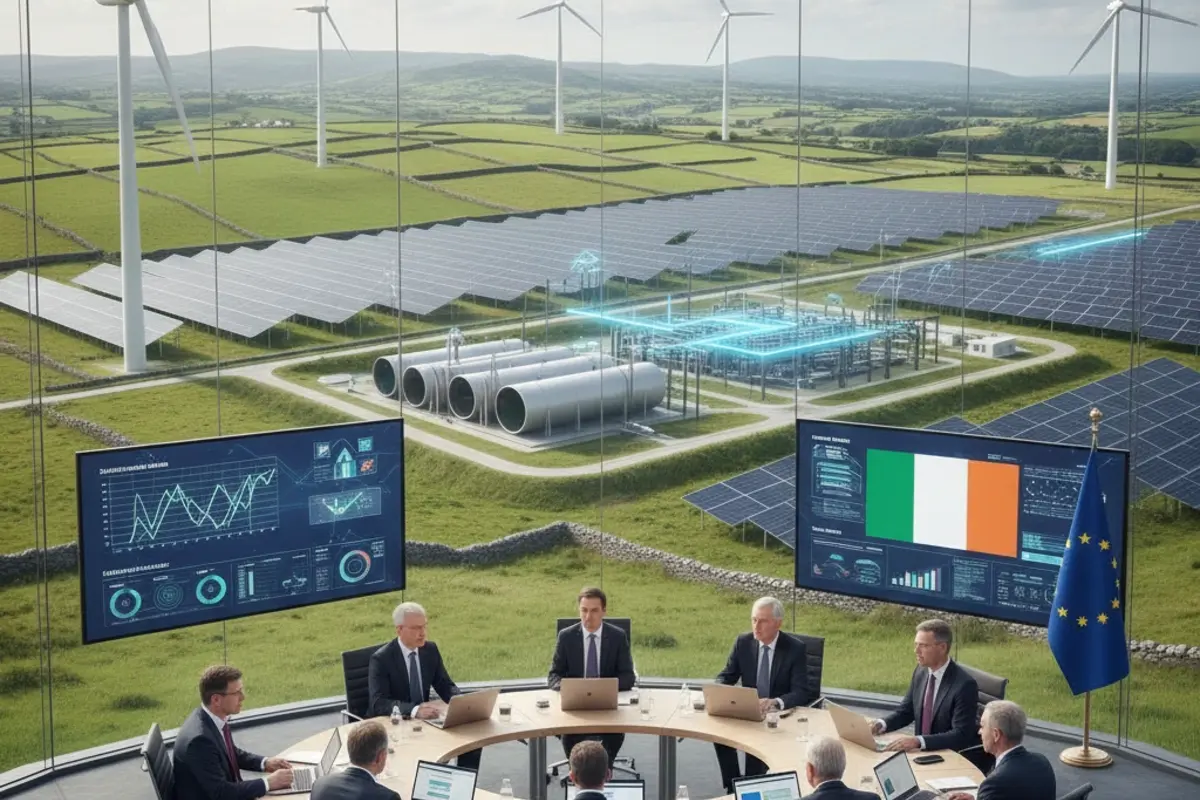
By Ireland has a unique opportunity to shape Europe’s energy future during its upcoming presidency of the Council of the European Union. From July to December 2026, Ireland will host key EU meetings, giving it a platform to push for clean, secure, and sustainable energy solutions.
Wind Energy Ireland (WEI) emphasizes that this period is critical to accelerate renewable energy rollout and secure Europe’s energy independence. This blog explores the role of Ireland’s EU presidency, renewable energy targets, challenges, and strategies to lead Europe towards a greener future.
Understanding Ireland’s EU Presidency
The Council of the European Union is a central EU institution, made up of ministers from all member states. These ministers are grouped by policy areas such as energy, agriculture, finance, and trade.
The presidency rotates every six months, allowing the host country to set agendas, host meetings, and influence policy discussions. Ireland’s presidency in 2026 will include:
- Hosting an informal meeting of EU leaders in Ireland
- Organizing a summit of the European Political Community
- Steering discussions on renewable energy, climate policy, and economic sustainability
This platform provides Ireland with a chance to push ambitious reforms in renewable energy and address Europe’s growing energy needs.
Ireland’s Renewable Energy Ambitions
Ireland has committed to reducing greenhouse gas emissions by 51% by 2030 compared with 2018 levels. However, recent reports indicate the country is only on track to achieve reductions in the mid to high 20% range.
Wind Energy Ireland stresses the need for urgent action. According to WEI:
- Grid infrastructure needs expansion to handle renewable electricity
- Heating and transport sectors should be electrified
- Renewable project approvals must be sped up
- Energy storage and flexibility must be improved
- Ireland’s renewable energy growth cannot succeed at the domestic level alone. Collaboration with other EU nations is essential.
Challenges Facing Ireland’s Energy Sector
Despite progress in wind energy, Ireland faces several obstacles:
- Grid Limitations:
In 2025, approximately 14% of wind-generated power was lost due to grid constraints. This loss forced reliance on fossil fuels and increased energy bills for consumers. - Delayed Project Approvals:
Slow permitting processes hinder renewable project implementation. Faster approvals are necessary to meet climate targets. - Energy Storage Needs:
Intermittent energy sources like wind and solar require storage solutions. Flexible systems will reduce waste and ensure a reliable power supply. - Dependence on Imports:
Ireland still imports fossil fuels to meet demand. Renewable expansion can reduce this dependency and enhance energy security.
The Role of EU Leadership
As EU presidency holder, Ireland can lead on several fronts:
- Accelerate Renewable Energy Deployment: Set deadlines for grid expansion and project approvals.
- Promote Electrification: Encourage electrifying heating systems and transport.
- Enhance Energy Storage: Support policies to integrate storage technologies.
- Influence EU Policy: Shape directives for a more efficient and flexible electricity market.
Noel Cunniffe, WEI CEO, stated that holding the presidency is a “key moment to help shape Europe’s energy future.” Ireland can maximize renewable energy benefits, reduce consumer costs, and lessen reliance on imported fossil fuels.
Opportunities in Wind Energy
Ireland’s wind energy sector has grown steadily, yet challenges remain. The EU presidency provides a platform to highlight solutions, including:
- Grid Upgrades: Improved infrastructure ensures renewable electricity reaches homes and businesses efficiently.
- Cross-Border Cooperation: Working with other EU nations can balance energy supply and demand across Europe.
- Innovation and Investment: Incentivizing investment in storage, smart grids, and offshore wind projects.
Cunniffe notes that without EU-level collaboration, Ireland’s renewable ambitions may be limited.
Policy Recommendations for Ireland
Wind Energy Ireland recommends specific actions during the EU presidency:
- Secure Clear Deadlines: Set timelines for grid expansion and renewable project approvals.
- Electrify Heating and Transport: Reduce emissions by transitioning away from fossil fuels.
- Increase Energy Storage: Create flexibility in electricity systems to manage intermittent renewable supply.
- Advance the EU Grids Package: Ensure efficient and less wasteful European electricity distribution.
These steps will support Ireland’s domestic energy goals and contribute to EU-wide sustainability targets.
Impact on Consumers and the Economy
Renewable energy expansion can benefit consumers and businesses:
- Lower Energy Bills: Efficient grids reduce waste and allow consumers to access cheaper clean energy.
- Economic Growth: Investment in renewable infrastructure generates jobs and stimulates local economies.
- Energy Independence: Reduces reliance on imported fossil fuels, enhancing national security.
WEI highlights that renewable energy adoption is essential for long-term economic stability and environmental sustainability.
Public and Political Engagement
Minister for Foreign Affairs Helen McEntee emphasized extensive consultations ahead of Ireland’s presidency. Over 450 submissions were received, highlighting priority issues including energy security, climate change, and renewable investment.
Active engagement ensures that policies are inclusive, practical, and aligned with European climate goals.
Table: Key Recommendations for Ireland’s EU Presidency
| Recommendation | Description | Expected Outcome |
|---|---|---|
| Grid Expansion | Upgrade infrastructure to carry all renewable electricity | Reduce energy loss, lower consumer costs |
| Project Approvals | Fast-track renewable energy permits | Accelerate rollout of wind and solar projects |
| Electrification | Transition heating and transport to electric | Cut emissions, improve energy efficiency |
| Energy Storage | Develop storage solutions for intermittent supply | Enhance reliability and grid flexibility |
| EU Policy Leadership | Advance EU Grids Package and directives | Shape European energy market, reduce fossil fuel dependency |
| Cross-Border Cooperation | Collaborate with EU nations on energy | Ensure balanced supply and stronger European grid |
| Consumer Benefits | Reduce energy costs through efficiency | Improve affordability and accessibility |
Ireland’s Global Role in Renewable Energy
Ireland can demonstrate leadership on the global stage:
-
Showcase best practices in wind and solar energy
-
Lead discussions on EU energy security
-
Influence international climate and sustainability policies
Successful leadership could make Ireland a model for smaller nations looking to balance growth, sustainability, and energy security.
Environmental Benefits
Transitioning to renewable energy has clear environmental advantages:
- Reduced carbon emissions and greenhouse gases
- Preservation of natural resources and landscapes
- Mitigation of climate change impacts
- Cleaner air and water for communities
Ireland’s presidency is a strategic moment to push Europe towards these benefits.
Technological Innovation
Renewable energy growth relies on advanced technologies:
- Smart Grids: Improve distribution efficiency and reduce losses
- Energy Storage: Batteries and pumped storage to balance intermittent supply
- Offshore Wind: Harness stronger wind resources along the Irish coast
- Digital Monitoring: Optimize grid performance and forecast energy demand
Investments in technology will ensure long-term sustainability and competitiveness.
Long-Term Vision
Ireland’s leadership can help set Europe on a path to energy independence:
- Achieve EU climate targets by 2030 and beyond
- Reduce reliance on fossil fuel imports
- Create stable and affordable energy for households and businesses
- Strengthen the EU’s renewable energy market
A coordinated approach ensures Ireland’s efforts benefit both domestic and European communities.
Conclusion
Ireland’s EU presidency is more than a ceremonial role. It is a unique chance to shape Europe’s energy future. By focusing on renewable energy, grid modernization, storage solutions, and policy leadership, Ireland can accelerate the transition to a cleaner, safer, and more affordable energy system.
Collaboration with EU nations, engagement with consumers, and technological innovation will be key to success. The presidency offers an opportunity to demonstrate Ireland’s commitment to sustainability, economic growth, and energy independence.